 Bradenton Siding
 Why Siding Repair Looks Different in Cortez
Cortez sits right on the water in Manatee County, one of the last working fishing villages left on Florida's Gulf Coast, tucked between Bradenton and the barrier islands. That waterfront position means homes here take on a heavier combination of salt air, wind-driven rain, and direct sun than houses set further inland, and when a hurricane track brings sustained wind through the area, low-lying waterfront properties like the ones in Cortez feel it first. Siding damage here rarely comes from one cause. It's usually years of salt working into fasteners and seams, UV breaking down finishes, and wind-driven storms pushing moisture into places it was never supposed to reach.
That combination is why a siding repair job in Cortez needs to start with an honest look at what's actually going on behind the surface, not just a patch over whatever's visible. This page covers what typically damages siding in this specific environment, what a correct repair actually involves, how we decide between repairing and replacing, and why it matters to hire a crew that already works this village regularly.
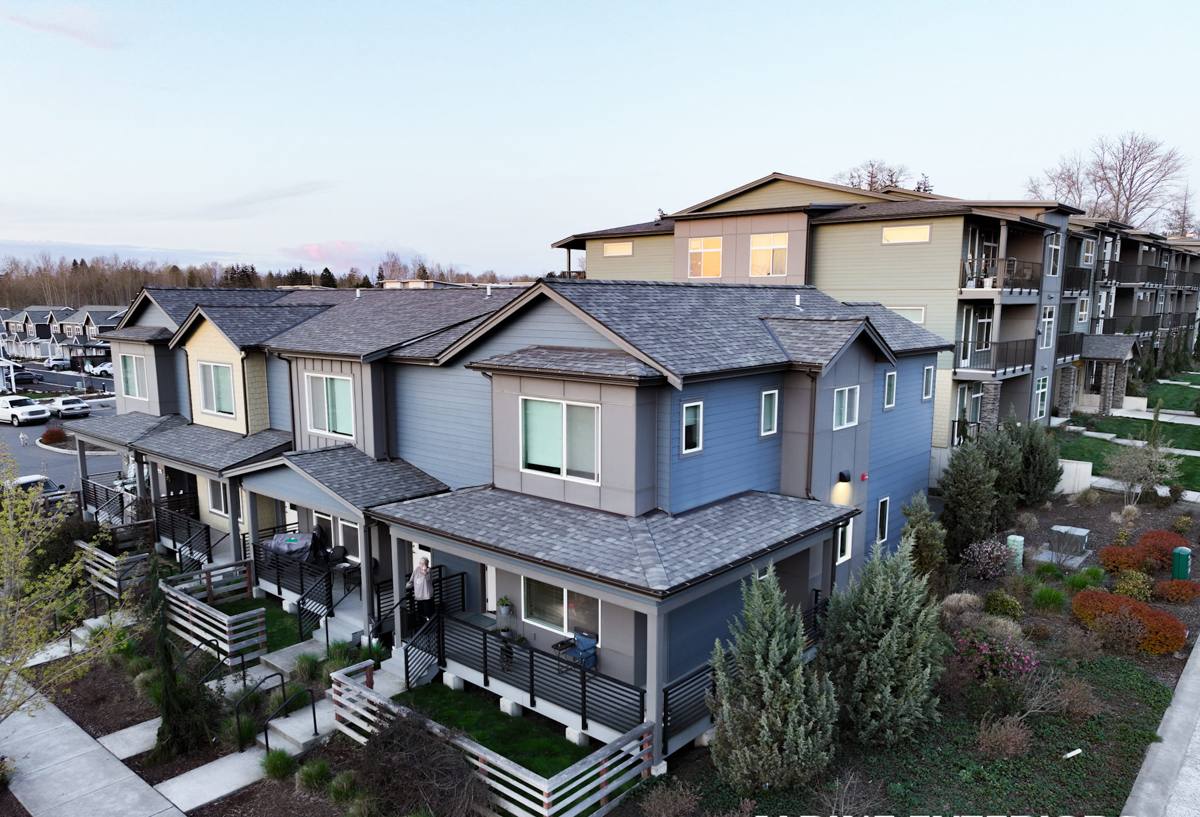
What Actually Damages Siding in a Waterfront Village Like Cortez
Salt Air, Working Year-Round
Homes close to the water in Cortez take a steady dose of salt-laden air, not just during storms. Salt accelerates corrosion in fasteners, flashing, and any exposed metal trim, and it wears down lower-quality paint and coatings faster than a dry inland climate ever would. Once fasteners start corroding, siding panels lose holding strength long before that's visible from the ground.
Intense, Year-Round UV
Florida's UV load is among the highest in the country, and siding here takes direct sun for most of the day, most months of the year. On lower-grade materials and field-applied finishes, that UV exposure leads to fading, chalking, and surface breakdown well ahead of a normal service life. Once a finish starts to fail, the material underneath loses a layer of protection it was depending on.
Wind-Driven Rain
Storms coming off the Gulf don't just drop rain straight down — wind pushes it sideways into seams, trim joints, and anywhere flashing or house wrap isn't doing its job. That sideways load finds gaps a careless installation or an aging repair would leave behind, and it's a bigger factor in a waterfront village like Cortez than it is a few miles inland.
Hurricane-Force Wind Loads
Beyond routine storms, Cortez sits in a part of Manatee County that plans around real hurricane exposure. Wind uplift can loosen panels, pop fasteners, and stress trim connections even on siding that otherwise looks fine, and that stress tends to concentrate at corners, edges, and anywhere a previous repair wasn't fastened to spec.
Signs Your Siding Needs Repair
Some of these are obvious from the curb. Others only show up once you know where to look.
- Cracked, warped, or buckled panels, especially on walls that face the water or catch prevailing wind
- Soft or spongy spots when pressed, which usually means moisture has already reached the material underneath
- Gaps or separation at seams, corners, and trim joints
- Bubbling, peeling, or chalking paint and finish
- Streaking or staining just below a seam or panel joint, a common sign water is tracking behind the siding
- Rust staining around fasteners or visible corrosion on exposed hardware and trim
- Higher cooling bills without an obvious cause, which can point to gaps letting conditioned air escape
- Popped fasteners or panels that have visibly shifted after a storm
Repair Challenges by Siding Type We Find in Cortez
Cortez has a mix of older and newer homes, and the siding on them varies. What a repair actually involves — and how well it holds up afterward — depends heavily on what's already on the wall.
| Siding Type | Common Repair Issues | Matching & Longevity Challenges |
|---|---|---|
| Vinyl | Cracking from UV and impact, warping near heat sources, panels popping loose in wind | Older colors are often discontinued; new panels can fade at a different rate than existing ones |
| Wood or cedar | Rot at seams and low panels, insect damage, finish failure from UV and moisture | Requires ongoing refinishing; a patched section rarely blends with weathered original wood |
| LP SmartSide or similar engineered wood | Edge swelling where moisture gets into cut ends or seams, finish breakdown | Swollen or delaminated sections usually need full panel replacement, not a spot patch |
| Older or non-Hardie fiber cement | Caulk and seam failure, finish fading if not factory-applied, fastener corrosion | Depends on the original product line; field-applied finishes are the hardest to match exactly |
We repair what's already on the house when a repair genuinely makes sense. But we're upfront that some of these products have narrower repair windows than others, and that's part of what factors into the repair-versus-replace conversation below.
Repair vs. Replace: Where We Draw the Line
Not every siding problem needs a full replacement, and we don't default to the bigger job just because it's bigger. The honest factors that actually drive this decision:
- How far the damage has spread. A few damaged panels or a localized moisture issue is usually a legitimate repair. Damage that's tracked across multiple walls or into the sheathing underneath often isn't worth chasing panel by panel.
- What's behind the visible damage. If house wrap, flashing, or sheathing has already failed, patching the surface without addressing that just delays the same problem.
- How many repair cycles a wall has already been through. Siding that's been patched repeatedly is usually signaling that the underlying material or original installation has reached the end of what a repair can fix.
- What the existing product can realistically match. Discontinued vinyl colors, field-finished wood, or older fiber cement lines can make an exact match difficult enough that a full section — sometimes a full elevation — is the more sensible path.
When a repair is the right call, we do the repair. When the damage or the underlying product has moved past what a patch can reasonably fix, our standard for replacement is James Hardie fiber cement — nothing else. We install Hardie exclusively because of how it performs in exactly the conditions Cortez deals with: a non-combustible core, a factory-applied ColorPlus finish that holds color far longer than field-applied paint, and HZ product lines engineered for sustained coastal moisture and wind exposure. We won't install vinyl, LP SmartSide, Cemplank, Allura, primed spruce, or cedar as a replacement, even where they'd be cheaper up front, because we've seen how those products age in salt air and wind-driven rain and don't want to hand a homeowner a repair that just resets the same clock.
What a Correct Repair Job Involves
Diagnosing the Cause, Not Just the Symptom
A soft panel or a stained seam is a symptom. Failed flashing, a gap in the house wrap, or a fastener pattern that never matched spec is usually the cause. Repairing the visible damage without correcting what let moisture in behind it tends to fail again in the same spot, often faster the second time.
Checking What's Behind the Siding
Before we recommend a repair scope, we check the sheathing and moisture barrier behind the affected area, not just the panels themselves. On a waterfront property, moisture that's tracked behind siding for a while is often further along than the surface symptoms suggest.
Matching Finish, Not Just Material
When the replacement material is Hardie, matching an existing ColorPlus finish on an addition or repair section is far more consistent than trying to match a field-painted or older product, since the color comes from the factory rather than a brush. We're upfront with homeowners about where an exact match is realistic and where it isn't.
Fasteners and Flashing Done to Spec
Any fastener or flashing involved in a repair goes in to manufacturer spec and corrosion-resistant standards suited to salt air exposure — not a like-for-like swap with whatever was there before if that's part of why the repair was needed in the first place.
Maintenance That Extends a Repair's Lifespan
- Rinse siding periodically to clear salt residue before it works into seams and fastener heads
- Check caulking at trim, corners, and window and door edges once or twice a year, especially after storm season
- Keep gutters clear so water sheds away from the wall instead of running down the siding face
- Trim back landscaping that traps moisture or blocks airflow against exterior walls
- Address soft spots, new gaps, or storm-loosened panels right away rather than waiting for the next inspection
- Have siding walked after any major named storm, even if nothing looks obviously wrong from the ground
Why It Matters to Hire a Crew That Already Works Cortez
A crew that mostly works inland Manatee County can still do competent siding repair, but a waterfront village like Cortez has variables that come up more often here than on a typical Bradenton lot a few miles from the water — heavier salt exposure, wind load considerations tied to open-water proximity, and older homes where the original construction predates current best practice for coastal fastening and flashing. Working in Cortez regularly means we're not guessing at what actually holds up out here. We know which fastener grade survives salt air, what a repair needs to withstand the next storm season rather than just look finished on install day, and how to tell a genuinely repairable wall from one that's past that point — because we've made that call on homes like yours before.
Get a Free, No-Pressure Estimate
If your Cortez home has damaged, aging, or storm-affected siding, we're glad to take a look and give you a straight answer — including if the honest answer is that a targeted repair is all it needs. Reach out using the form below to schedule a free, no-pressure estimate.