 Bradenton Siding
 Building a Deck That Belongs in Cortez
Cortez sits close enough to the water that its air, wind, and sun behave differently than a deck built a few miles inland in Bradenton or Manatee County's suburban neighborhoods. Salt-laden air moves through the community daily, humidity stays high most of the year, and afternoon storms roll in fast during the summer months. A deck built without those conditions in mind may look fine on installation day and start showing problems within a season or two. A deck built correctly for Cortez holds up because every material and connection was chosen with the local environment in mind, not just a catalog photo.
This page focuses specifically on deck building for homes in and around Cortez. It's not a general overview of decking products — it's what we've learned matters most when the job site is this close to the water.
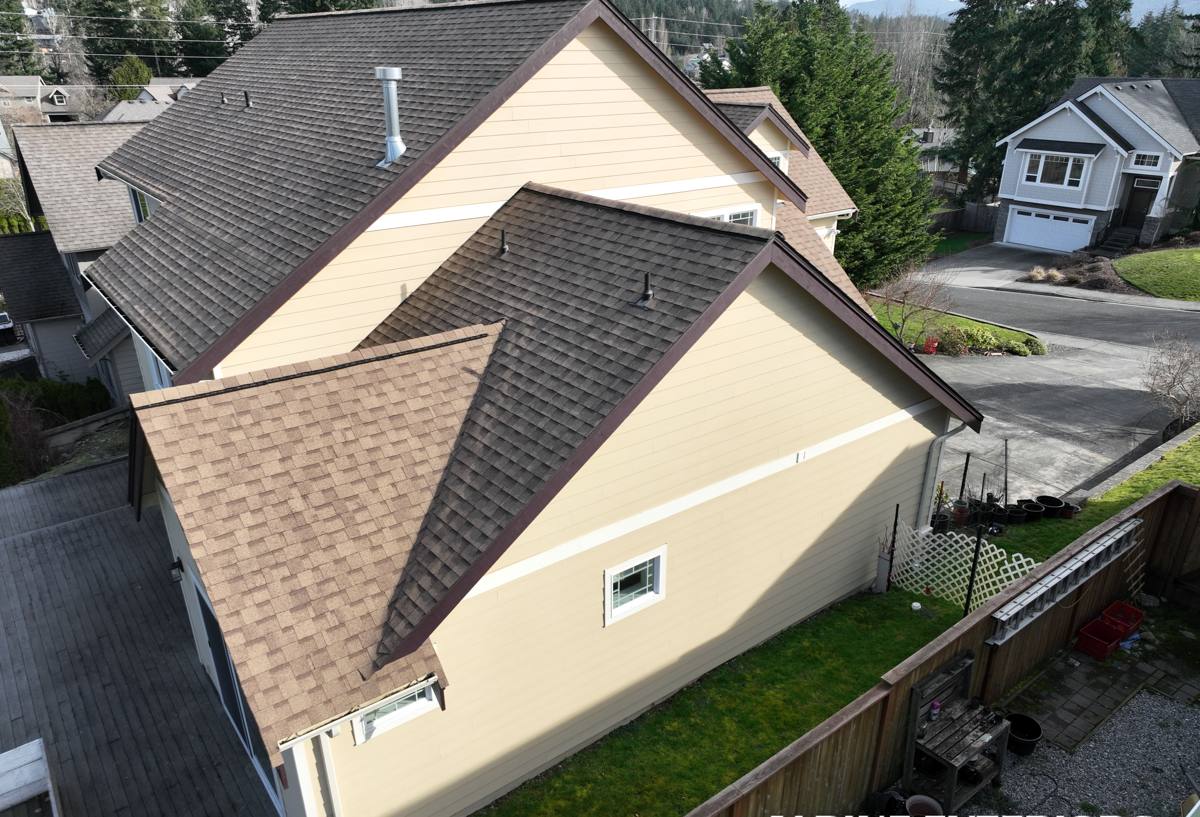
What Cortez's Coastal Environment Does to a Deck
Salt Air and Corrosion
Salt air is the biggest hidden threat to a deck in this area. It doesn't just sit on the surface — it works into fasteners, hardware, and any metal connector that wasn't rated for coastal exposure. Standard hardware store screws and brackets can start corroding within a couple of years this close to the water, and once a fastener weakens, it compromises the structural connection it was holding, not just its own appearance.
UV Exposure
Florida sun is intense nearly year-round, and a deck has no shade of its own unless you build one in. UV breaks down the surface fibers of wood decking, fades color-treated composites over time, and dries out sealants and finishes faster than in most other parts of the country. A deck's top surface takes the brunt of this punishment every single day.
Wind-Driven Rain and Hurricane-Force Wind
Manatee County sits in a wind zone that requires decks to be engineered and fastened for real storm loads, not just everyday weight. Wind-driven rain during storms doesn't fall straight down — it drives sideways and up under railings, ledger boards, and decking edges, finding any gap in flashing or sealant. Add hurricane-force wind gusts to that, and a deck's structural connections — especially where it ties into the house — have to be built to hold, not just to pass a casual look.
What a Correctly Built Deck Requires in This Area
Building for Cortez conditions means addressing four things every time: fasteners and hardware rated for coastal/salt exposure, a ledger connection that's properly flashed and sealed against the house, framing sized and braced for local wind loads, and a decking surface chosen with UV and moisture behavior in mind — not just upfront cost.
Fasteners and Hardware
We use coated or stainless fasteners and connectors rated for coastal environments rather than standard galvanized hardware. It costs more up front, but replacing corroded joist hangers or ledger bolts a few years into a deck's life is a far bigger expense — and a safety issue — than paying for the right hardware the first time.
The Ledger Connection
Most deck failures trace back to the ledger board — the piece that attaches the deck to the house. If it's not flashed correctly, wind-driven rain works behind it over time, leading to rot in the house's rim joist that you often can't see until the damage is significant. Proper flashing, correct fastener spacing, and a gap that lets water drain instead of pool are non-negotiable on every deck we attach to a home.
Framing for Wind
Joist spacing, beam sizing, post connections, and railing attachment all need to account for wind uplift, not just downward weight from people and furniture. This is where an experienced local crew matters — we're not guessing at what the wind zone requires, because we build in it constantly.
Choosing a Decking Material for Cortez
There's no single "best" decking material — there's a best material for your budget, your maintenance appetite, and how close your home sits to the water. Here's how the common options actually perform in this climate.
| Material | How It Handles Salt Air & UV | Maintenance | Typical Lifespan Here |
|---|---|---|---|
| Pressure-Treated Wood | Needs regular sealing to resist moisture and graying; lowest upfront cost | Annual cleaning and re-sealing recommended | 10-15 years with upkeep |
| Composite Decking | Resists rot and doesn't need sealing; some color fading in intense UV over many years | Periodic cleaning, no sealing/staining | 20-25+ years |
| PVC/Capped Polymer Decking | Fully resists moisture absorption; best UV-stability of the common options | Low — occasional washing | 25+ years |
| Tropical Hardwoods | Naturally dense and rot-resistant but still needs oiling to prevent surface checking from UV | Regular oiling to maintain appearance | 15-25 years with upkeep |
We don't push one product on every homeowner. If you want the lowest upfront cost and don't mind maintaining it, treated wood is still a reasonable choice. If you'd rather not sand, seal, or re-stain a deck every year in Florida heat, composite or PVC decking earns back its higher price in the time and money you're not spending on upkeep.
Railings, Fasteners, and the Details That Get Skipped
A deck's structure gets most of the attention, but the details are usually where corner-cutting shows up first in coastal areas.
- Railing hardware: should match the same coastal-rated standard as structural fasteners — a rusting railing bolt near an entry point is both an eyesore and a safety concern.
- Post bases: should sit off the ground on proper post bases or footings, not buried directly in soil where moisture collects.
- Stair stringers: take constant foot traffic and weather exposure; they need the same fastener and material standard as the rest of the frame.
- Board spacing: proper gapping between deck boards allows drainage and airflow, which matters more here than in drier climates because trapped moisture doesn't evaporate as quickly.
- Under-deck ventilation: especially on elevated decks, keeping airflow under the structure reduces moisture buildup in framing.
Permits and Local Code in Manatee County
Deck construction in Manatee County generally requires a building permit and inspection, and the structural design has to meet the wind load requirements for our zone — this isn't optional paperwork, it's what keeps a deck attached to your house during a storm instead of becoming debris. Permit requirements and inspection steps can vary depending on the deck's size, height, and attachment method, so we handle the permitting process as part of the job rather than leaving it for the homeowner to sort out. Skipping permits might save time upfront, but it can create real problems later — with insurance claims, home sales, or code enforcement — if the work isn't documented and inspected properly.
Our Deck Building Process
- On-site assessment: we look at your home's structure, the ledger attachment point, grade and drainage, and how exposed the site is to wind and salt air.
- Design and material selection: we walk through decking material, railing style, and layout options based on your budget and how much maintenance you want to take on long-term.
- Permitting: we prepare and submit the required permit documentation and coordinate inspections with the county.
- Framing: ledger flashing, footings, beams, and joists go in first, built to current wind load requirements with coastal-rated hardware throughout.
- Decking, railing, and stairs: the surface material and railing system go on, with attention to fastener spacing and drainage gaps.
- Final walkthrough and inspection: we review the finished deck with you and make sure it passes final county inspection.
What a New Deck Typically Costs
Deck pricing depends heavily on size, height, material, and railing choice, so exact numbers only make sense after we've seen the site. In general terms, a straightforward ground-level or low deck in treated wood sits at the lower end of the range, while a larger elevated deck in composite or PVC decking with a full railing system sits at the higher end. Site conditions unique to waterfront or near-waterfront lots in Cortez — like difficult access or additional footing depth — can also affect the final number.
| Cost Factor | Why It Matters |
|---|---|
| Deck size and height | Larger and elevated decks need more framing, footings, and structural engineering |
| Decking material | Treated wood costs less upfront; composite and PVC cost more but need less long-term maintenance |
| Railing style | Cable, glass, and custom railing systems cost more than standard baluster railing |
| Site access and grade | Difficult access or uneven ground can add labor and equipment time |
| Attachment method | Ledger-attached decks versus free-standing decks affect framing complexity |
Maintaining Your Deck After It's Built
Even a well-built deck needs some ongoing attention in this climate. A simple seasonal routine goes a long way toward getting the full lifespan out of your investment.
- Rinse off salt residue and debris periodically, especially after storms
- Check railing and structural fasteners annually for early signs of corrosion
- Reseal or re-stain wood decking on a regular schedule rather than waiting until it looks worn
- Keep gutters and downspouts nearby clear so water isn't dumping onto or near the deck
- Watch for soft spots near the ledger board or post bases, which can signal trapped moisture
- Clear leaves and debris from between deck boards so drainage gaps stay open
Why a Crew That Already Works in Cortez Makes a Difference
Deck building isn't the same job everywhere in Florida. A crew that mostly works inland may not think twice about standard fasteners or skip a flashing detail that doesn't matter fifteen miles from the coast — but those shortcuts show up fast in a place like Cortez. Working regularly in this area means we already know which hardware holds up, how the local permitting process runs, and what wind and moisture actually do to a deck a year or two after installation, not just on the day it's finished. That local experience is what separates a deck that looks good at handoff from one that's still solid a decade later.
If you're planning a new deck or replacing one that didn't hold up to Cortez's conditions, we're happy to take a look and talk through honest options for your home. Reach out for a free, no-pressure estimate using the form below.