 Bradenton Siding
 Building on Bradenton Beach Means Building for Wind, Sun, and Salt
Bradenton Beach sits close enough to the Gulf that every window installed here has to answer to three things at once: hurricane-force wind loads, relentless year-round UV, and salt-laden air that finds its way into every gap a builder leaves behind. New-construction windows are your one real chance to get this right from the start. Unlike a retrofit replacement, a new-construction window goes in during framing, with a nailing flange that ties directly into the house wrap, flashing, and sheathing. Done correctly, that assembly is the backbone of your home's weather defense for decades. Done poorly, it's a slow leak you won't notice until there's drywall damage or mold behind a wall.
We work new-construction and major-remodel window jobs across Manatee County, and Bradenton Beach projects come with their own set of considerations that an inland Bradenton or Sarasota job doesn't face in the same way. This page focuses specifically on what new-construction windows need to do for a Bradenton Beach home, and how we handle that job from rough opening to final inspection.
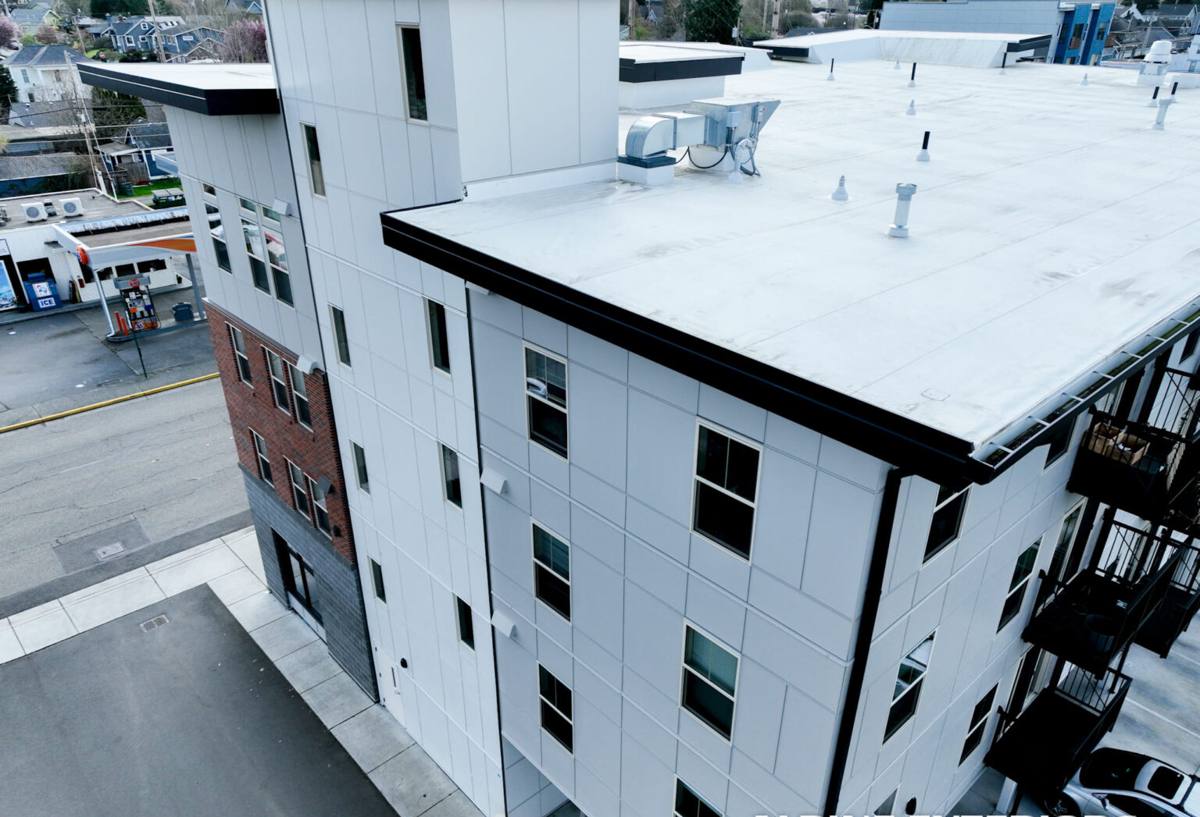
What the Coastal Environment Actually Does to a Window Assembly
It helps to understand the specific stresses a Bradenton Beach window has to survive, because they drive nearly every decision we make about product and installation method.
Wind Load and Windborne Debris
Coastal Manatee County falls within Florida's High-Velocity Hurricane Zone influence area for design purposes, and homes near the water are typically in a higher wind-borne debris region than properties a few miles inland. That means the window itself has to be rated for both sustained wind pressure and impact from flying debris, and the installation has to be strong enough that the window doesn't pull away from the framing before the glass ever gets tested.
UV Exposure
Direct sun near the Gulf is more intense and more constant than most of the country experiences. Over years, unprotected vinyl frames can chalk or discolor, and glass without a proper low-E coating lets in enough heat to strain your air conditioning and fade flooring and furniture near the windows.
Wind-Driven Rain
Standard rain falls down. Storm rain near the beach comes in sideways, driven horizontally into every seam, corner, and joint around a window opening. A window can be perfectly rated for wind and impact and still leak if the flashing and sealant details around it aren't built to shed water that's moving sideways, not down.
Salt Air and Corrosion
Airborne salt accelerates corrosion on hardware, fasteners, and certain metal components. It also degrades some sealants faster than inland applications. Fastener choice and hardware finish matter more here than they do a few miles inland.
Code and Permitting: What Governs the Job
New-construction windows in this area are governed by the Florida Building Code's wind-borne debris and pressure requirements, and Manatee County's permitting and inspection process enforces them. What that means in practice for a Bradenton Beach property:
- Windows must carry a product approval (Florida Product Approval or Miami-Dade NOA) matching the specific wind pressure and impact requirements for your address.
- The design pressure rating isn't one-size-fits-all — it depends on your home's exposure category, height, and roof geometry, not just its zip code.
- A permit and inspection are required for new-construction window installs; skipping this isn't just a compliance issue, it can affect insurance claims and future resale.
- Impact-rated glass or code-compliant shutters/panels are required in wind-borne debris regions unless the glazing itself meets impact standards.
We pull permits, coordinate inspections, and size window pressure ratings to your specific home rather than assuming a generic spec will pass. This is one of the most common corners cut on lower-bid jobs, and it's the one that causes the most trouble later — either a failed inspection mid-build, or a window that technically holds glass but was never actually engineered for your home's real wind exposure.
What a Correct New-Construction Window Installation Actually Involves
New-construction windows are installed before finish work, with the nailing flange fastened directly to the framing and integrated into the building's water management system. The sequence matters as much as the product.
- Rough opening check: confirming the opening is square, plumb, and sized correctly before the window ever arrives on site — an out-of-square opening stresses the frame and compromises the seal no matter how good the window is.
- Sill pan flashing: a sloped, sealed pan at the bottom of the opening so any water that does get past the window drains back outward instead of pooling against the sill.
- Window placement and fastening: the unit is set, leveled, and fastened through the flange into structural framing at the fastener spacing specified by the product approval — not a "close enough" pattern.
- Flange integration with house wrap: flashing tape and house wrap are layered in the correct order (a shingle-lap sequence) so water is always directed down and out, never trapped behind the flange.
- Sealant at the interior and exterior: compatible, coastal-grade sealant at the right joints — sealing everything, including places that need to stay open for drainage, is a mistake that traps water instead of releasing it.
- Final inspection and documentation: photos and records of the flashing details before they're covered by siding or stucco, since these are the details an inspector or future buyer's inspector can't see once the wall is closed up.
That sill pan and shingle-lap flashing sequence is the step most likely to be rushed or skipped on a fast-moving new build, and it's the one that determines whether the wall assembly stays dry for the next twenty years.
Choosing the Right Frame Material and Glass Package
For a Bradenton Beach home, frame material and glass spec aren't cosmetic choices — they determine how the window holds up against sun, salt, and storms over time.
| Frame Material | Coastal Performance | Trade-Offs |
|---|---|---|
| Vinyl (impact-rated) | Good corrosion resistance, no rusting hardware issues on the frame itself | Quality varies widely between manufacturers; UV-stable formulations cost more but resist chalking and warping longer |
| Aluminum | Strong, slim sightlines, common in coastal construction | Needs a marine-grade finish and quality hardware to resist salt corrosion; lower-grade finishes pit over time |
| Fiberglass | Very stable in heat and UV, low expansion/contraction | Higher upfront cost; fewer color and style options than vinyl or aluminum |
On the glass side, impact-rated laminated glass is the standard for wind-borne debris regions, and a quality low-E coating is worth the small upcharge — it cuts solar heat gain significantly in a climate where your air conditioner is running most months of the year. We'll walk you through the actual product options and pressure ratings that apply to your specific home rather than pushing one brand across every job; the right fit depends on your home's design pressures, your budget, and how the windows will be finished on the exterior.
Our Process for a Bradenton Beach New-Construction Window Job
We keep this process consistent because consistency is what prevents callbacks on coastal jobs.
- Site visit and measurement: we confirm rough opening sizes and review the home's exposure and wind pressure requirements before quoting.
- Product and pressure-rating selection: we match window products to your home's actual design pressures, not a generic minimum.
- Permit pull: we handle the Manatee County permitting paperwork so you're not chasing it yourself.
- Flashing and installation: installed by crews who do this work regularly in coastal conditions, following the sill pan and shingle-lap sequence described above.
- Inspection coordination: we schedule and stand by for the required inspections so the job closes out clean.
- Walkthrough: we go over operation, hardware care, and what to watch for as the home settles in its first year.
Mistakes We See on Coastal New-Construction Jobs
Most window failures we're called to look at near the coast trace back to a handful of repeat issues, not bad luck:
- Sealant used in place of proper flashing — caulk is not a substitute for a shingle-lapped water management system, and it fails first in wind-driven rain.
- Fastener patterns that don't match the product's approved spacing, which weakens the window's actual wind performance regardless of its rating.
- Pressure ratings selected off a generic chart instead of the home's real exposure category and geometry.
- Standard-grade hardware and fasteners used in a high-salt environment, leading to premature corrosion and stiff or failing operation within a few years.
- Sill pans skipped entirely, which is invisible once the wall is closed but is often the direct cause of water intrusion found later.
None of these show up on a spec sheet. They show up in how the crew actually installs the window, which is why local experience with this specific climate matters more than the window brand printed on the label.
Living With Coastal Windows: Simple Maintenance That Extends Their Life
Even a correctly installed, properly rated window benefits from basic upkeep in a salt-air environment:
- Rinse frames and hardware periodically to clear salt residue, especially on homes closer to the water.
- Check and re-lubricate hardware annually — hinges, locks, and rollers wear faster in salt air than inland.
- Inspect exterior sealant joints yearly for cracking or separation and have any gaps addressed before rainy season.
- After a named storm, have windows and surrounding flashing visually checked even if there's no obvious damage.
What Drives the Cost of a New-Construction Window Job
| Factor | Why It Moves the Price |
|---|---|
| Wind pressure rating required | Higher-rated products for greater exposure cost more than baseline-rated units |
| Frame material | Fiberglass and premium aluminum generally cost more than standard vinyl |
| Glass package | Impact laminated glass with low-E coatings costs more than basic impact glass |
| Window size and count | Larger openings and more units increase both material and labor cost |
| Site conditions | Access, framing condition, and how many openings need custom sizing affect labor time |
We give straightforward, itemized quotes so you can see exactly what you're paying for and why — no vague allowances that turn into surprises during the build.
If you're building or doing a major addition in Bradenton Beach and want windows that are actually specified and installed for this coastline — not just a generic package — reach out for a free, no-pressure estimate. The form below gets you a real answer from a crew that works this area regularly.