 Bradenton Siding
 Board & Batten Siding Built for Life Near the Water in Cortez
Cortez sits about as close to the Gulf as a Manatee County neighborhood can get, and that proximity shapes everything about how siding should be built and installed here. Board and batten is one of the most popular looks for the area's coastal cottages and Old Florida-style homes — the vertical lines and deep shadow reveal read as classic waterfront architecture. But the same style that looks right on a Cortez home also has to survive what a Cortez home actually faces: salt-laden air rolling off the water, wind-driven rain during summer storms, hurricane-force gusts during the worst of them, and relentless UV exposure nearly year-round. A board and batten installation that isn't built with those conditions in mind will show it within a few seasons — through fastener bleed, panel cupping, moisture intrusion behind the battens, or fading that turns a crisp finish chalky and dull.
This page is about doing board and batten siding correctly for this specific setting — not a generic overview of the style, but what it actually takes to get board and batten right on a home a few blocks from the water in Cortez.
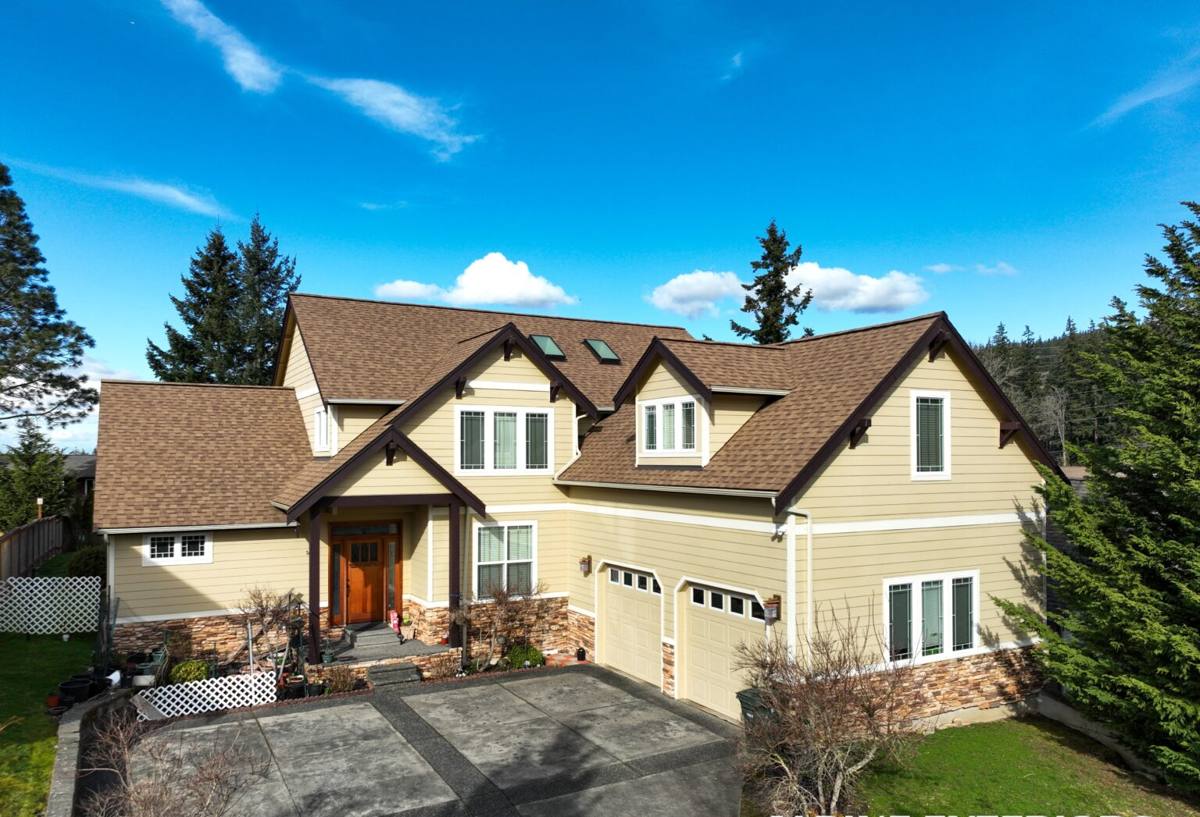
Why Board & Batten Is a Good Fit for Cortez — With Caveats
The vertical board and batten profile has real practical advantages in a coastal environment, not just aesthetic ones. The deep reveals shed water more visibly than flatter lap profiles, and the style pairs naturally with the elevated, breezy coastal architecture common around Cortez and the surrounding waterfront pockets of Bradenton. It also tends to read as more substantial and custom than standard horizontal lap siding, which is part of why it's requested so often for homes near the water.
The caveat is that board and batten has more seams, more fasteners, and more battens per square foot than lap siding — every one of those is a potential entry point for moisture if it isn't detailed correctly. In a climate where the siding has to deal with salt air corrosion, wind-driven rain, and sun exposure simultaneously, sloppy batten spacing or the wrong fastener choice causes problems faster here than it would in a drier, milder climate. Board and batten isn't a riskier siding choice than lap siding — but it is a less forgiving one when installation quality is inconsistent.
What Salt Air Specifically Does to Siding Near Cortez
Homes within a few miles of the Gulf and Sarasota Bay deal with airborne salt settling on every exterior surface, including behind battens and around fastener heads if those areas aren't properly sealed and coated. Salt is corrosive to standard fasteners and accelerates the breakdown of lower-grade trim and caulking. It's also abrasive to paint film over time, which is part of why factory-applied, baked-on finishes hold up so much better here than field-applied paint that has to cure in humid, salty air.
What a Correct Board & Batten Job Requires
Board and batten is a system, not just a board pattern. Getting it right for a coastal Manatee County home means paying attention to a handful of details that are easy to skip and hard to notice once the siding is up — until they fail.
Substrate and Moisture Barrier
Everything starts underneath the siding. A correctly installed weather-resistive barrier, properly lapped and sealed at every penetration, is what actually keeps wind-driven rain out of the wall assembly — the siding itself is the second line of defense, not the only one. Skipping or rushing this step is the single most common reason board and batten siding develops hidden rot behind a perfectly good-looking exterior.
Batten Spacing and Fastening
Battens need consistent spacing not just for appearance but for structural performance — uneven spacing changes how wind load is distributed across the wall. Fasteners have to be the correct corrosion-resistant type, placed at the manufacturer's specified pattern, and driven to the correct depth. Overdriven or underdriven fasteners are a leading cause of premature panel movement in high-wind coastal zones.
Sealant and Flashing at Every Penetration
Every window, door, vent, and fixture penetration through board and batten siding is a place water can get behind the wall if it isn't flashed and sealed correctly. In a neighborhood that takes direct wind-driven rain off the water, this detail work is not optional — it's the difference between siding that lasts decades and siding that needs repair in five years.
Why We Install James Hardie — and Nothing Else
This company installs James Hardie fiber cement siding exclusively. We don't install vinyl, LP SmartSide, Cemplank, Allura, or primed wood products like spruce or cedar board and batten, and we're upfront about why. Vinyl board and batten can warp and fade under sustained Florida UV and heat, and it isn't rated for the wind exposure many Cortez-area homes see. Wood-based products, even engineered ones, are more sensitive to the humidity and moisture cycling that comes with year-round coastal air — that sensitivity is exactly what board and batten's extra seams and fastener count punish first.
James Hardie fiber cement is non-combustible, dimensionally stable in heat and humidity, and available in the HZ5 product line engineered specifically for high-moisture, high-humidity climates like ours. Its ColorPlus factory finish is baked on under controlled conditions rather than applied in the field, which matters enormously in a salt-air environment where field-applied paint has a much harder time curing and bonding. It also carries a strong, transferable limited warranty — meaningful protection for homeowners investing in a coastal exterior that has to perform for decades, not just look good on install day.
Comparing Siding Options for a Cortez Board & Batten Project
| Factor | Vinyl Board & Batten | Wood/Engineered Wood | James Hardie Fiber Cement |
|---|---|---|---|
| UV & heat stability | Prone to warping, fading | Moderate, finish-dependent | Engineered for sustained sun exposure |
| Wind/impact resistance | Lower, can crack or blow off | Moderate | Rated for high-wind coastal use |
| Moisture/humidity behavior | Doesn't rot but traps moisture behind panel | Most sensitive to swelling, rot | Stable, HZ5 formulated for humidity |
| Finish durability in salt air | Fades, chalks over time | Field paint wears faster near salt air | Factory-baked ColorPlus finish |
| Fire performance | Combustible | Combustible | Non-combustible |
Our Process for a Cortez Board & Batten Installation
- On-site inspection of existing siding, substrate, and any moisture damage specific to the home's exposure
- Wind zone and elevation review to confirm the correct James Hardie HZ product and fastening spec
- Removal of old siding and inspection/repair of sheathing before anything new goes up
- Installation of a properly lapped and sealed weather-resistive barrier
- Board and batten installation to manufacturer spacing and fastening specifications
- Detailed flashing and sealant work at every window, door, and penetration
- Final walkthrough covering care, maintenance, and warranty registration
What to Check Before Hiring Anyone for Board & Batten Near the Water
- Do they install to the manufacturer's published fastening and spacing specs, or their own shortcuts?
- Are they familiar with local wind zone and code requirements for this part of Manatee County?
- Do they inspect and repair sheathing before re-siding, rather than covering up existing damage?
- Can they explain their moisture barrier and flashing approach in plain terms?
- Do they register manufacturer warranties correctly on completion?
- Are they using a factory-finished product rather than relying on field-applied paint?
Maintenance Expectations for Coastal Board & Batten
Even the right product installed correctly benefits from basic upkeep in a salt-air environment. Rinsing accumulated salt residue off the exterior periodically, checking sealant at penetrations annually, and having any storm damage inspected promptly all extend the life of the installation. James Hardie's factory finish reduces the maintenance burden significantly compared to field-painted alternatives, but "low maintenance" near the Gulf still means "some maintenance" — nothing installed a few blocks from saltwater is truly maintenance-free.
Cost Factors for a Cortez Board & Batten Project
| Factor | Why It Matters Here |
|---|---|
| Home size and wall complexity | More corners and penetrations mean more flashing and sealant detail work |
| Substrate condition | Coastal moisture exposure often means sheathing repair is needed before siding goes on |
| Product line (HZ5 vs. standard) | Homes closer to the water benefit from the humidity-engineered HZ5 line |
| Trim and batten detail level | More battens and tighter spacing add labor but improve appearance and performance |
| Access and site conditions | Elevated coastal homes or tight lots can affect labor time |
If you're considering board and batten siding for a home in or near Cortez, we're happy to take a look and walk you through what your specific home needs — no pressure, no obligation. A free estimate through the form below is the easiest way to get a straight answer on scope and cost for your project.