 Bradenton Siding
 Roof Repair Built for Life on a Barrier Island
Anna Maria Island sits out where the Gulf of Mexico meets Manatee County, and that location is exactly why roofs here wear differently than roofs a few miles inland in Bradenton. Salt-laden air moves through every vent, ridge, and fastener year-round. Summer sun bakes shingles and underlayment at close to full intensity almost every day. And when a tropical system or a strong seasonal storm rolls through, wind-driven rain finds any weak seam, nail pop, or cracked flashing and turns it into an active leak fast. Roof repair on the island isn't just patch-and-go work — it has to account for corrosion, UV breakdown, and wind uplift all at once, or the same problem comes back within a season.
This page is about one job: repairing roofs on Anna Maria Island homes, done in a way that actually holds up to the conditions the island throws at it.
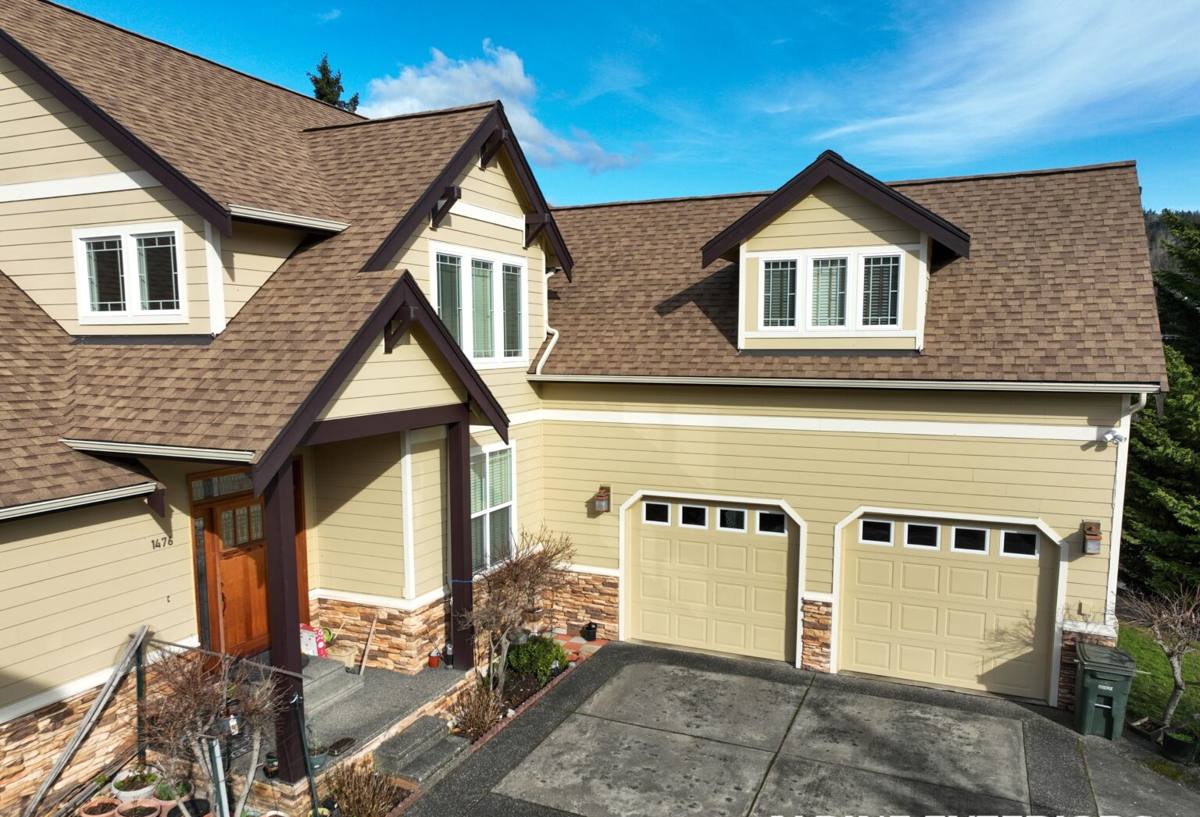
Why Island Homes Need a Different Approach Than Mainland Repairs
A repair crew that mostly works inland neighborhoods is used to dealing with heat and the occasional storm. A crew that works the island regularly is used to dealing with all of that plus constant salt exposure and higher average wind loads from being closer to open water. That difference shows up in small but important ways:
- Standard steel fasteners corrode faster this close to the Gulf, so repairs need corrosion-resistant hardware from the start, not as an upgrade.
- Flashing and drip edge take more abuse from salt air and need metals and sealants that won't degrade in a year or two.
- Wind uplift resistance matters more on a barrier island than it does a few miles inland — repairs have to be fastened and sealed to hold, not just to look finished.
- Many island homes are seasonal or vacation rentals, which means small leaks can go unnoticed for weeks between visits or guest stays — repairs need to be done right the first time.
None of this means island repairs are exotic or require special permits beyond the normal county process. It means the materials and workmanship have to match the environment, and that only comes from doing this work on the island regularly.
Signs Your Anna Maria Island Roof Needs Repair
Roof problems on the island rarely announce themselves with a dramatic leak on day one. They usually show up as small warning signs first. Catching these early is what keeps a repair a repair, instead of letting it turn into a full re-roof.
- Granules collecting in gutters or at downspout outlets — a sign shingles are losing their UV-protective surface
- Curling, cracking, or lifted shingle edges, especially on the roof faces that get the most direct sun
- Rust streaking below metal flashing, vent boots, or exposed fasteners
- Soft spots or discoloration on ceilings, especially after wind-driven rain events
- Missing or lifted shingles after a storm, even if no leak has shown up yet
- Visible daylight or gaps around chimney flashing, skylights, or roof-to-wall junctions
- A musty smell in the attic, which often points to slow-building moisture from a small leak
If you're seeing any of these, it's worth getting a professional look before the next storm season rather than after the next leak.
What a Correct Roof Repair Actually Involves
A quality repair is more than sealing the spot where water is showing up inside the house. Water rarely enters where it appears on a ceiling — it travels along the underlayment or decking before finding a path down. A correct repair traces the problem to its actual source and addresses it there.
Diagnosis First
We start by inspecting the roof surface, flashing points, penetrations (vents, pipes, chimneys), and valleys — the spots where the vast majority of leaks originate — before touching anything. On older sections, we also check fastener condition and underlayment integrity, since salt air can compromise these well before the shingles themselves look worn.
Matching Materials, Not Just Covering Damage
Repairs should use materials compatible with what's already on the roof — matching shingle profile and color where possible, and using flashing and fasteners rated for coastal exposure regardless of what's already there. A repair that mixes incompatible metals (for example, certain dissimilar metals in direct contact) can accelerate corrosion right at the repair site, so we avoid that from the start.
Sealing for Wind, Not Just Water
Because Anna Maria Island sees higher average wind exposure than inland areas, repairs are fastened and sealed with wind uplift in mind — not just watertightness. That means proper nailing patterns, sealed shingle tabs, and flashing secured well beyond the minimum needed to stop a leak on a calm day.
Common Repair Issues We See on the Island
| Issue | What Causes It | Why It Matters Here |
|---|---|---|
| Corroded fasteners and flashing | Constant salt air exposure near the Gulf | Weakens the roof's grip long before shingles visibly wear out |
| UV-brittle shingles or sealant | Near year-round direct sun | Leads to cracking and lifted edges that let wind get underneath |
| Leaks at penetrations (vents, chimneys, skylights) | Aging flashing and sealant, wind-driven rain | These are the most common leak points, especially island-side facing storms |
| Lifted or missing shingles after storms | Wind uplift, aging or under-fastened shingles | Small storm damage left unrepaired often leads to underlayment failure |
| Slow leaks in seasonal/rental homes | Gaps between owner visits or guest turnover | Minor leaks go unnoticed longer, causing more interior damage before repair |
Repair or Replace? How We Help You Decide
Not every roof problem on the island calls for a full replacement, and not every roof is a good candidate for another round of patching. We give homeowners a straight answer based on a few honest factors, not a sales pitch toward the bigger job.
| Factor | Leans Toward Repair | Leans Toward Replacement |
|---|---|---|
| Age of roofing material | Well within expected service life | At or near the end of its expected lifespan |
| Extent of damage | Isolated to one or two areas | Spread across multiple roof faces |
| Underlayment/decking condition | Solid, dry, intact | Soft, rotted, or repeatedly wet |
| Storm damage history | First significant damage event | Repeated damage from multiple storm seasons |
| Insurance and wind mitigation status | Current roof still meets requirements | Roof no longer meets current wind mitigation standards |
We'll walk you through where your roof actually falls on this list before recommending anything — including telling you plainly when a repair is the smarter, more cost-effective call.
Our Repair Process
- Inspection and diagnosis — we identify the actual source of the problem, not just where water is showing up
- Clear explanation — you get a plain-English rundown of what's wrong, what caused it, and what it will take to fix it correctly
- Repair scope and estimate — a written estimate covering materials, labor, and what the repair will and won't address
- The repair itself — matched materials, corrosion-resistant fasteners and flashing, and attention to both watertightness and wind resistance
- Final check — we confirm the repair area, surrounding flashing, and any related penetrations are sealed and secure before we consider the job done
Materials That Hold Up to Salt Air and Storms
For coastal repair work, material choice matters as much as workmanship. We favor fasteners and flashing rated for corrosion resistance in salt-air environments, sealants formulated to stay flexible under intense UV exposure rather than drying out and cracking within a year or two, and flashing details that shed wind-driven rain instead of just tolerating a light shower. This is a professional standard we hold ourselves to on every island repair — not an upsell, and not a judgment on any particular product line. It's simply what holds up reliably a quarter-mile from open Gulf water, versus what might be fine ten miles inland.
Why Local Experience on Anna Maria Island Matters
Roof repair on a barrier island comes with practical realities that a mainland-only crew may not be used to managing well:
- Access and logistics — narrower streets, limited staging space, and seasonal traffic all affect how a repair job gets scheduled and executed efficiently
- Permitting familiarity — knowing the Manatee County permitting process for roof repair work means fewer delays and no surprises
- Insurance and wind mitigation knowledge — understanding how repairs interact with wind mitigation inspections and insurance requirements specific to coastal properties
- Material judgment earned from experience — knowing which fasteners, flashing, and sealants have actually held up on other island roofs over time, not just on paper
A crew that already works Anna Maria Island regularly has seen how repairs perform here through multiple storm seasons — not just how they look the day the job wraps up.
Simple Maintenance That Extends the Life of a Repair
A good repair lasts longer with a little basic upkeep, especially in this climate:
- Rinse accumulated salt residue off the roof surface periodically, particularly after long dry stretches
- Keep gutters and downspouts clear so water sheds properly instead of backing up under shingles
- Trim back overhanging branches that trap moisture or drop debris onto the roof
- After any significant storm, do a visual check (or have one done) for lifted shingles or new fastener exposure
- Schedule a professional inspection every year or two, even with no visible problems — small issues are far cheaper to fix than the water damage they eventually cause
Get an Honest Look at Your Roof
Whether you're dealing with an active leak, storm damage, or just want a second opinion before committing to a full replacement, we're happy to take a look and give you a straight answer. If your roof needs a repair, we'll tell you that. If it genuinely needs more, we'll explain why. Reach out for a free, no-pressure estimate using the form below.