 Bradenton Siding
 Anna Maria Island Roofs Work Harder Than Most
A barrier island roof lives a different life than one a few miles inland. Anna Maria Island sits directly in the path of Gulf weather with almost nothing to slow it down before it reaches your shingles — no tree lines, no ridgelines, no buffer of inland development. That means full exposure to hurricane-force wind gusts, sideways wind-driven rain that finds every weak seam, and salt-laden air that goes to work on metal fasteners and flashing year-round. Add in some of the most intense, consistent UV exposure in the country, and you have a roof that ages faster and fails differently than a roof in a more sheltered part of Manatee County.
We work storm damage repairs across Bradenton and the surrounding barrier islands, but Anna Maria Island homes get their own approach. The combination of coastal wind exposure, older housing stock in some pockets, and salt-air corrosion means a repair that would hold up fine on the mainland can fail here within a season or two if it isn't done to island standards.
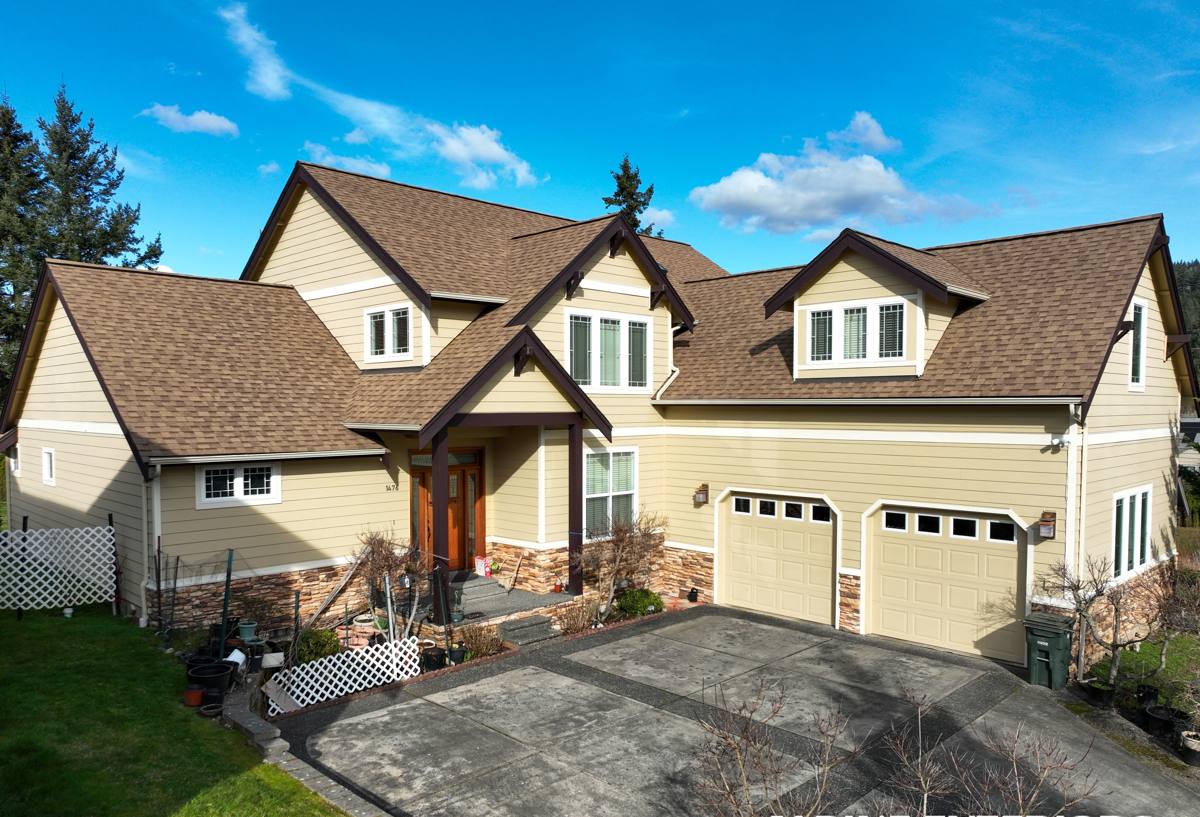
What Storm Damage Actually Looks Like on an Island Roof
Most homeowners think of storm damage as missing shingles or an obvious hole. That's real damage, but it's usually the smallest part of the problem. The damage that causes the most long-term trouble is the kind you can't see from the driveway.
Damage that's easy to spot
- Missing, cracked, or curled shingles
- Visible dents or punctures from wind-blown debris
- Torn or lifted ridge caps
- Sagging or visibly displaced flashing around chimneys and vents
Damage that hides until it's expensive
- Wind-lifted shingle seals that never re-adhere, leaving the shingle loose but still in place
- Granule loss from wind-driven rain that strips a shingle's UV protection without removing the shingle itself
- Saturated underlayment beneath shingles that still look intact from above
- Corroded or backed-out nails and fasteners around flashing, especially on the Gulf-facing side of the roof
- Soft decking under a roof valley where water has been tracking in slowly since the last storm
This second list is where an inspection matters more than a quick look from the ground. A roof can pass a drive-by glance and still be actively letting water into the attic every time it rains.
Our Storm Damage Inspection and Repair Process
We keep this straightforward. You've likely already had one contractor try to upsell a full replacement off a five-minute look, or another one patch the visible spot and leave the real problem underneath. Here's how we handle it instead.
1. Safety and stabilization first
If there's an active leak or exposed decking, our first priority is stopping water intrusion — tarping, sealing, or temporary flashing to protect the interior of the home while we plan the permanent repair. This isn't the fix; it's damage control while we do the fix right.
2. Full roof assessment, not just the damaged section
We walk the entire roof, not just the area you reported. Wind damage rarely stays confined to one spot — if one section took a hit, we check the whole roof plane, the flashing, the ridge, and the attic from the inside for signs of moisture that haven't shown up as a ceiling stain yet.
3. Written scope and honest recommendation
You get a clear explanation of what's damaged, what's original wear versus storm-caused, and what your realistic options are — patch repair, section replacement, or full replacement — with the reasoning behind the recommendation, not just a number.
4. Repair to code, not just to "match"
Manatee County and the island's wind-borne debris requirements mean a proper repair uses the correct nailing pattern, sealant, and flashing detail for high-wind zones — not whatever gets the shingle to sit flat. We build every repair to hold in the next storm, not just to look finished today.
Repair or Replace? How We Make That Call
This is the question every homeowner actually wants answered, and it depends on more than just how much damage a storm caused.
| Factor | Leans Toward Repair | Leans Toward Replacement |
|---|---|---|
| Roof age | Under 10-12 years, still within useful life | Nearing or past manufacturer's rated lifespan |
| Extent of damage | Isolated to one section or slope | Spread across multiple slopes or the whole roof |
| Underlayment condition | Dry and intact beneath damaged shingles | Saturated, deteriorated, or failing in multiple areas |
| Decking condition | Solid, no soft spots | Soft, delaminated, or water-stained plywood |
| Shingle match availability | Discontinued shingle can still be closely matched | Original shingle no longer available in a usable match |
| Insurance scope | Adjuster approves repair-level scope | Adjuster approves full slope or full roof replacement |
Roof age matters more on Anna Maria Island than it does inland, because UV and salt exposure shorten a roof's practical lifespan even when the shingle warranty says otherwise. We'll tell you honestly when a repair is the right call and when you're better off putting that money toward replacement instead of patching a roof that's already near the end of its service life.
Materials and Details That Matter in This Environment
Not every repair detail that works fine 20 miles inland holds up the same way on the island. A few things we do differently for barrier island homes:
- Corrosion-resistant fasteners — standard galvanized nails corrode faster in salt air; we use fasteners rated for coastal exposure on repairs and flashing work
- Sealed, not just nailed, flashing details — wind-driven rain travels sideways and upward under flashing edges that aren't properly sealed, not just nailed down
- High-wind nailing patterns — repaired sections get the six-nail, high-wind pattern required in this zone, not the builder-grade four-nail pattern used in calmer climates
- Underlayment upgrades where exposed — when we open up a section for repair, we take the opportunity to install synthetic underlayment rated for wind and moisture resistance rather than just relaying the original felt
These aren't upsells — they're the difference between a repair that lasts through the next storm season and one that needs to be redone in two years.
Working With Your Insurance Claim
Most storm damage roof repairs on the island end up going through homeowners insurance. We're not a public adjuster and we don't promise claim outcomes, but we do provide what your insurance company actually needs to process a legitimate claim:
- Detailed photo documentation of the damage, dated and organized by roof section
- A written scope of work tied to the specific storm event where relevant
- A clear, itemized repair estimate your adjuster can review against their own assessment
- Straight answers if your adjuster has questions about the scope we recommended
If an adjuster's initial scope misses damage we documented — which happens more often than homeowners expect — we can walk you through what to point to when you request a second look. We'd rather help you get a claim scoped correctly the first time than have you back on a roof that was under-repaired.
Why Local, Island-Familiar Experience Matters
Anna Maria Island isn't logistically the same as working on the mainland. Bridge traffic, narrow residential streets, and limited staging space around older island homes all affect how a repair crew plans a job. A crew that's used to working the island knows to schedule around bridge congestion, knows which streets need smaller equipment, and isn't learning those constraints for the first time on your roof.
Local familiarity also means we already understand how the county's wind-zone requirements apply to island properties, what permitting looks like for repair versus replacement scope, and how older island homes were typically built — which matters when we're matching a repair to decking and framing that may be a different era than what's common on the mainland.
After a Storm: What to Check Before You Call
You don't need to climb on your roof after a storm — we'd rather you didn't. But a quick ground-level and attic check can help you describe the problem accurately and catch issues early.
- Walk the perimeter of the house and look for shingle pieces, granules, or flashing debris in the yard or gutters
- Check ceilings and upper walls for new water stains, even faint ones
- Look in the attic (if accessible) for damp insulation, water on the decking, or daylight showing through the roof
- Check gutters and downspouts for excessive granule buildup, which signals accelerated shingle wear
- Note the date and general timeline of the storm for your own records and any future insurance claim
- Avoid walking on the roof yourself, especially after rain — wet shingles and soft decking are both slip and fall hazards
If you notice any of these signs, it's worth getting an inspection sooner rather than later. A small, contained repair now is almost always less disruptive and less expensive than what the same damage turns into after another season of wind and rain finds its way in.
If you're dealing with storm damage on an Anna Maria Island roof, or you just want a second opinion before committing to a repair or replacement, we're happy to take a look. Request a free, no-pressure estimate using the form below and we'll give you a straight assessment of what your roof actually needs.