 Bradenton Siding
 Windows Built for a Barrier Island, Not a Subdivision
Anna Maria Island sits right on the Gulf, and that changes the math on windows. A window that performs fine a few miles inland in Bradenton or East Manatee County can fail faster out here — not because it was installed wrong, but because it was never specified for this exposure in the first place. Salt-laden air, near-constant sun off the water, and direct exposure to tropical systems moving through the Gulf all load extra stress onto glass, frames, and seals. Custom windows for an island home means matching the product to that exposure, not just picking whatever's in stock.
We work Anna Maria Island regularly alongside our broader Bradenton and Manatee County service area, and the difference in what these homes need is real. Cottages and elevated stilt homes near the water, mid-century block houses a street or two back, and newer builds closer to code minimums all call for slightly different window strategies. "Custom" here isn't a marketing word — it means sizing, framing, glass package, and installation detail chosen for the specific structure and its specific exposure to wind and salt.
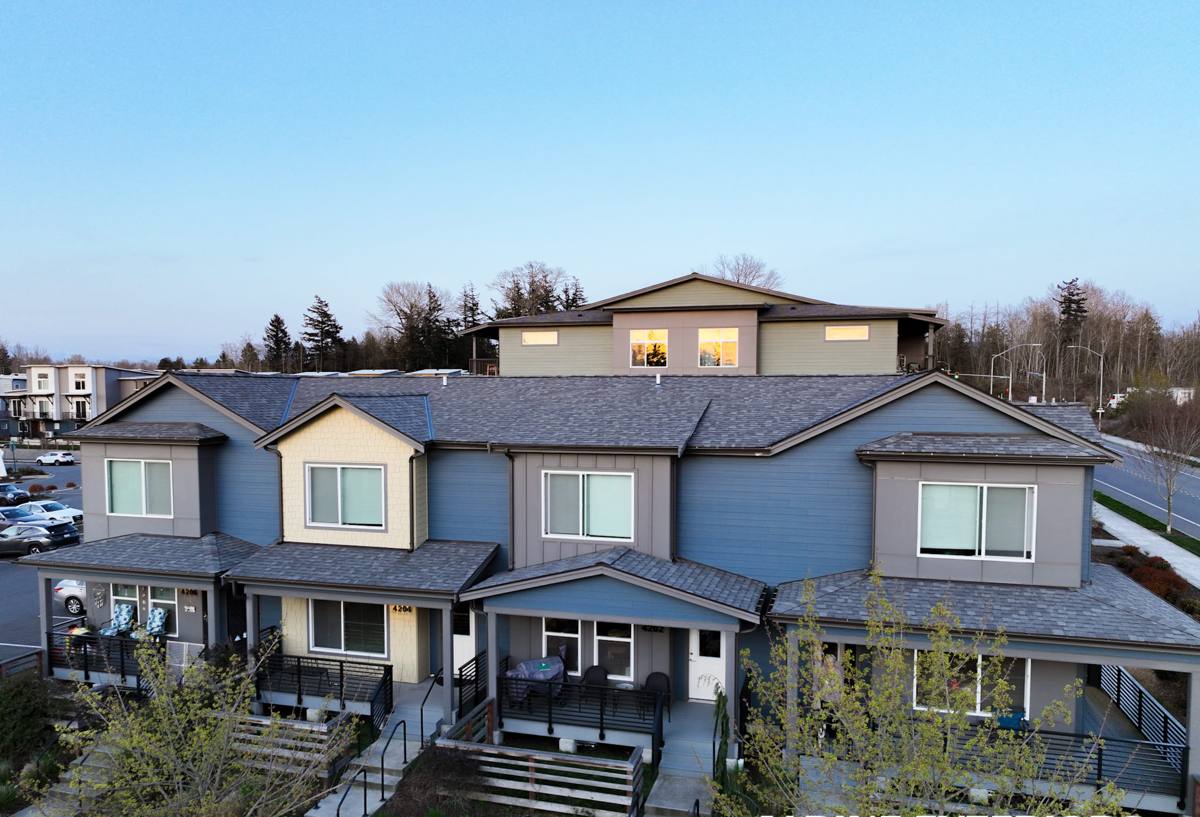
The Climate Factors Driving Every Decision
Hurricane-Force Wind and Wind-Driven Rain
Gulf-facing homes take wind loads that inland properties simply don't see. During a tropical system, wind doesn't just push against glass — it drives rain sideways under sills, around poorly sealed frames, and into any gap in flashing. Most water intrusion after a storm traces back to installation and flashing details, not the glass itself. That's why the install matters as much as the window rating.
Year-Round UV Exposure
Florida sun is intense everywhere, but reflected glare off the Gulf and open sky exposure on the island push UV loads even higher. Over years, unprotected UV exposure degrades vinyl frames, breaks down seals, and fades interior floors and furniture through untreated glass. Low-E coatings and quality glazing aren't optional upgrades on this island — they're baseline protection.
Salt Air Corrosion
Airborne salt settles on everything near the coast, and it's chemically aggressive toward metal hardware, fasteners, and lower-grade frame finishes. Hinges pit, screws corrode, and finishes chalk out faster than they would even a mile inland. Window hardware and fasteners need to be rated for coastal/marine exposure, not standard-grade builder hardware.
What "Custom" Actually Covers on This Job
When we say custom windows, we mean the whole package is matched to the house, not just the opening size. That includes:
- Frame material chosen for the home's exposure and maintenance tolerance
- Glass package (impact-rated laminated glass, Low-E coating, tint or reflective options)
- Wind-load rating matched to the home's height, location, and Florida Building Code requirements for the site
- Sill and flashing details sized to the specific wall assembly — block, wood-frame, or elevated pier construction all flash differently
- Hardware and fasteners rated for coastal/marine-grade corrosion resistance
- Trim and interior finish that matches the home's existing style, especially in older cottages where stock trim profiles don't fit
Island homes also run a wide range of ages and construction types — original 1950s-60s block cottages, renovated beach houses, and newer elevated builds on pilings. Each of those has a different wall assembly, and the window has to be detailed to match it. A flashing approach that works on a slab-on-grade block home isn't the right approach for a pier-and-beam elevated structure.
Choosing the Right Frame Material
Frame material is one of the biggest cost and durability decisions on a coastal window job. Here's how the common options actually compare for this environment:
| Frame Material | Salt Air Resistance | UV/Heat Stability | Maintenance | Typical Cost |
|---|---|---|---|---|
| Vinyl (impact-rated) | Good — won't corrode | Can soften/warp over decades in high heat if lower-grade | Low | Lower to mid |
| Aluminum | Fair — needs marine-grade finish or will pit/corrode | Very stable, low expansion | Moderate (finish upkeep) | Mid |
| Fiberglass | Excellent — inert to salt | Excellent, minimal expansion/contraction | Low | Higher |
| Wood/wood-clad | Poor without diligent upkeep | Moderate, prone to swelling | High | Higher |
We steer most island homeowners toward impact-rated vinyl or fiberglass. Wood-frame windows look great, but they demand a level of upkeep that's hard to justify a few blocks from saltwater — the maintenance burden and moisture risk usually outweigh the appearance benefit out here. That's a trade-off we'll walk through honestly rather than talk anyone into a product that fights the environment.
Impact Glass vs. Shutters: Understanding Your Options
Florida code gives homeowners two paths to meeting wind-borne debris protection: impact-rated windows or approved shutter systems paired with standard windows. Both can meet code. The difference is day-to-day. Impact glass stays in place year-round — no deploying panels before a storm, no storage, no gaps if you're not home when weather turns. Shutters can lower upfront cost but add an ongoing task every time a storm is forecast, and they only protect the window when they're actually closed. For most Anna Maria Island homes, especially rentals and second homes where an owner isn't always on-site to deploy protection, impact-rated glass is the more reliable long-term choice.
How We Approach a Custom Window Project
1. On-Site Assessment
We look at existing window condition, wall construction, current flashing, and how exposed each elevation is — Gulf-facing openings take a different load than the back of the house.
2. Product and Glass Selection
We walk through frame material, glass package, and wind-load rating options against the home's exposure and your budget, with honest trade-offs on each — not just the upsell.
3. Precise Measurement and Custom Fabrication
Openings on older island homes are rarely perfectly square. We measure for the actual opening, not a catalog size, so the finished window seals correctly without shims doing all the work.
4. Removal and Flashing Prep
Old windows come out carefully to protect surrounding finishes. This is also when we inspect for hidden water damage or rot around the opening — common on older coastal homes — and address it before the new window goes in.
5. Installation and Sealing
Proper flashing integration, sill pan detailing where called for, and coastal-rated sealants go in before trim. This step is where most long-term leak problems get prevented or created — it's not a step we rush.
6. Final Inspection and Cleanup
We check operation, seal integrity, and finish quality before we call the job done, and we handle county inspection scheduling where required.
Permitting and Code on the Island
Window replacement on Anna Maria Island typically requires a permit through Manatee County or the applicable local building department, and the installed product has to meet the wind-load requirements set by the Florida Building Code for that specific site and elevation. Being this close to open water often means a higher required wind rating than a comparable job further inland, even within the same county. We pull the correct permits and make sure the product spec on file matches what actually goes in the wall — that documentation matters at resale and for insurance, especially windstorm coverage on coastal property.
Maintenance That Actually Extends the Life of Island Windows
Even a well-installed, correctly-rated window needs some upkeep near the Gulf. A short seasonal routine goes a long way:
- Rinse frames and tracks periodically to clear salt residue before it accumulates
- Check weep holes and drainage tracks for debris so water can exit properly
- Inspect exterior caulking and sealant lines annually for cracking or separation
- Operate hardware (locks, cranks, rollers) regularly so corrosion doesn't seize moving parts
- Look for soft spots or discoloration in surrounding drywall or trim after major storms
None of this replaces a correct installation, but it catches small issues — a failing sealant bead, a clogged weep hole — before they turn into a water intrusion problem.
Why Local Installation Experience Matters Here
A crew that installs windows across Manatee County but rarely works the island can miss details that only show up on barrier island homes — elevated foundations, older block construction with non-standard openings, and exposure levels that call for a higher wind rating than the county minimum a few miles inland. We work Anna Maria Island as part of our regular Bradenton-area service area, which means we're familiar with the county's permitting process for coastal properties, the common construction quirks of the island's older housing stock, and what actually holds up long-term in this exposure versus what looks fine on a spec sheet in a showroom.
That local familiarity also shows up in smaller ways — knowing which streets sit lowest and see the most storm surge-adjacent flooding risk, understanding how salt spray exposure varies from Gulf-front to bayside, and having already worked through the county's permit review process enough times to keep a project moving without unnecessary delays.
Get a Straight Answer on What Your Home Needs
Every island home is a little different, and the right window package depends on your home's construction, exposure, and how you use the property. If you'd like a straightforward, no-pressure estimate for custom window replacement on Anna Maria Island, the form below gets you started — we'll look at your specific situation and give you honest options, not a one-size-fits-all pitch.