 Bradenton Siding
 Siding Repair for Tara Homes, Built for This Climate
Tara is an established residential community on the east side of Bradenton, part of Manatee County, with homes that have weathered years of Gulf Coast conditions. Whatever exterior your house was built with, it's had to stand up to hurricane-force winds, intense year-round UV, wind-driven rain, and salt air rolling in off the coast. That combination wears siding down faster here than it would almost anywhere inland, and it's why "small" siding problems in Tara rarely stay small for long.
A cracked panel, a lifted seam, or a soft spot near a window isn't just cosmetic. It's usually a sign that water has already found a way behind the siding, and in this climate, that problem grows every month it's ignored. Getting it repaired correctly the first time — with the right material and the right technique — is what keeps a small repair from turning into a much larger one.
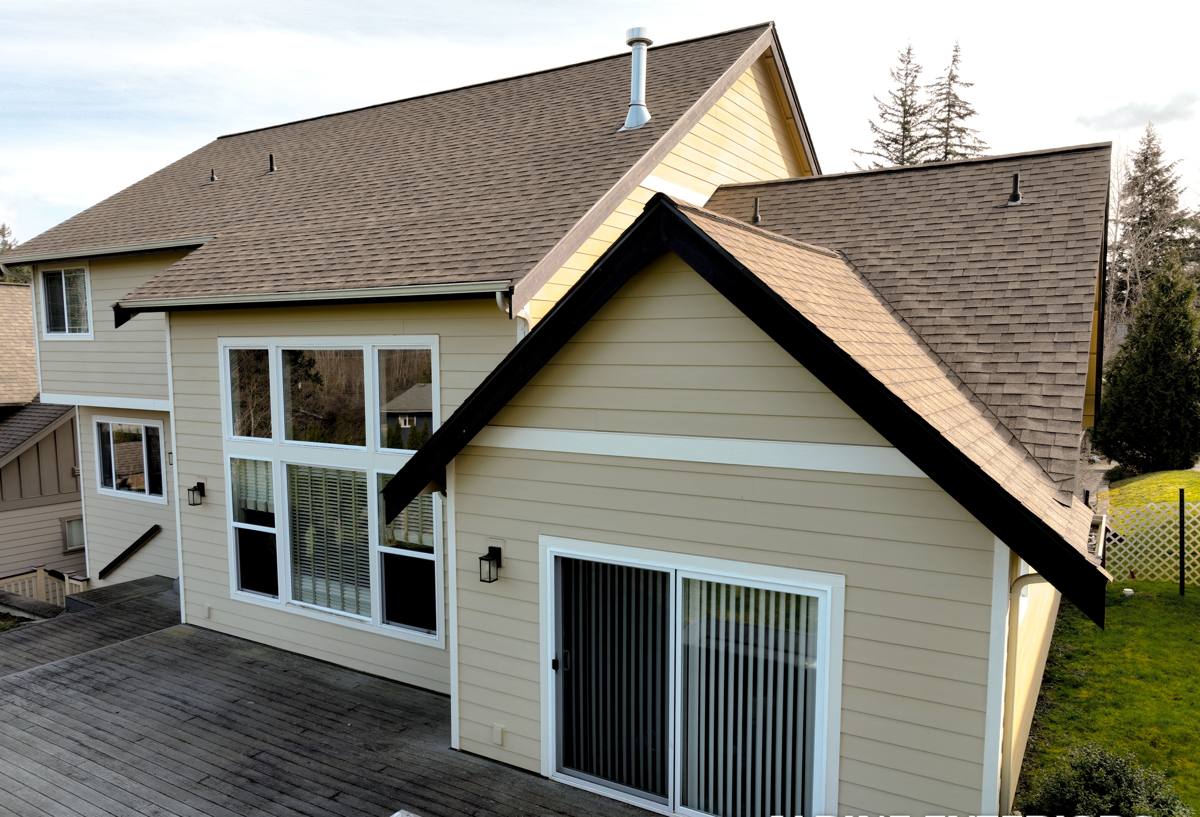
Signs Your Tara Home Needs Siding Repair
Most siding damage doesn't announce itself with a dramatic failure. It shows up as small details that are easy to walk past if you're not looking for them. Before storm season, or after any significant wind event, it's worth checking your home for the following:
- Cracked, split, or missing sections of siding, especially on the side of the house that takes the most wind and rain
- Panels that look warped, bowed, or no longer sit flush against the wall
- Soft or spongy spots when you press on the siding near the bottom edge, corners, or under windows
- Peeling, bubbling, or chalky paint, which often points to moisture working underneath the surface
- Visible gaps at seams, corners, or trim where caulking has shrunk, cracked, or pulled away
- Staining or streaking that keeps coming back shortly after you clean it
- A musty smell in an interior room that shares a wall with a damaged section of exterior
- Nail heads popping out, or fasteners that look loose or rusted
Any one of these on its own might be minor. Several at once, or damage that's spread across more than one wall, usually means it's worth a full inspection rather than a single spot fix.
What's Actually Wearing Down Siding in This Area
Hurricane-Force Wind
Wind doesn't just rattle siding — it gets underneath it. Strong gusts can work fasteners loose, lift panel edges, and drive debris into the surface hard enough to crack or puncture it. Once a seam has been pried open even slightly, every subsequent storm pushes more water behind the material.
Intense, Year-Round UV
Florida sun is relentless on exterior surfaces almost every month of the year. UV exposure breaks down paint finishes, dries out caulking until it cracks, and causes some siding materials to fade, chalk, or become brittle over time. Repairs done with mismatched or lower-grade material tend to show that difference quickly once the sun gets to it.
Wind-Driven Rain
Straight-down rain is rarely the issue — it's rain being pushed sideways into seams, corners, and trim during a storm that causes the real damage. Wind-driven rain finds any gap in flashing, caulking, or panel overlap and pushes moisture behind the siding, where it can sit against sheathing and framing without ever being visible from outside.
Salt Air
Even well inland from the beach, Bradenton's proximity to the Gulf means salt-laden air is a constant. Salt accelerates corrosion on fasteners and metal flashing, and it can degrade certain finishes and caulks faster than they'd wear in a drier, non-coastal climate.
Repair or Replace? How We Make the Call
Not every siding problem needs a full replacement, and not every problem should be patched. The right call depends on how much of the wall is affected, what's happening underneath the surface, and how old the existing siding is. Here's generally how we think through it:
| Factor | Leans Toward Repair | Leans Toward Replacement |
|---|---|---|
| Extent of damage | Isolated to one or two panels/areas | Spread across multiple walls or the whole home |
| Underlying moisture | Surface only, sheathing is dry | Water has reached sheathing or framing |
| Age of siding | Relatively young, still under warranty | Near or past its expected service life |
| Color/finish match | Close match achievable | Finish has faded too far to blend a patch |
| Root cause | One-time impact or storm event | Ongoing systemic issue (bad original install, chronic moisture path) |
We'll always tell you honestly which side of that table your home falls on. If a targeted repair will genuinely hold up, that's what we recommend — there's no reason to sell a Tara homeowner a full re-side when a proper repair solves the actual problem.
What a Correct Siding Repair Actually Involves
A repair that just covers up the visible damage without addressing what's underneath it is a repair that fails again, usually within a year or two. Done correctly, siding repair in this climate means:
- Removing enough surrounding material to see the actual extent of the damage, not just the visible crack or gap
- Checking the sheathing and framing behind the damaged section for softness, staining, or rot before anything new goes back on
- Correcting the underlying cause — bad flashing, a failed seam, or a gap that let water in — not just replacing the panel over the same flaw
- Matching material properly, including profile, reveal, and finish, so the repair doesn't stand out or create a new weak point
- Re-sealing and re-flashing correctly at every seam, corner, and penetration point disturbed during the repair
Skipping any of these steps is how a homeowner ends up paying for the same repair twice.
Our Process for Tara Siding Repairs
- Inspection. We look at the damaged area and the surrounding siding, checking for moisture and assessing whether the issue is isolated or connected to a larger problem.
- Diagnosis. We identify the actual cause of the failure, not just the symptom, so the repair addresses what let water or wind damage in.
- Honest recommendation. We tell you plainly whether a repair will hold up long-term or whether replacement is the more sensible investment, along with a straightforward quote.
- The repair. We remove and replace only what needs it, matching material and finish, and correcting flashing and sealing as part of the job — not as an afterthought.
- Final check. We walk the repair with you before we consider the job done, so you know exactly what was fixed and why.
Why We Repair With James Hardie, Not Whatever's Easiest to Match
We install and repair exclusively with James Hardie fiber cement siding. We don't work with LP SmartSide, vinyl, Cemplank, Allura, or primed wood, and that standard applies to repairs just as much as new installs. Fiber cement doesn't warp, rot, or become brittle from UV exposure the way some other materials do over time, and it holds up to wind-driven rain without absorbing moisture into the material itself.
That matters for repairs specifically because of the ColorPlus factory finish Hardie products carry. Field-painted patches on other materials often age differently than the surrounding siding, showing a visible seam within a season or two. With Hardie, matching current material and profile gives a repair that blends in and ages the same way as the rest of the wall — which is a big part of why we don't cut corners with substitute materials just because they're on hand or easier to source on short notice.
If a section of siding is too old or too faded for a new piece to blend well, we'll say so rather than install a patch that will stand out. Sometimes that means recommending replacement of a full wall section instead of a small patch, purely so the finished result actually looks right.
Why Hiring a Crew That Already Works in Tara Matters
Siding repair in a coastal Florida climate isn't the same job as siding repair in a drier, calmer part of the country. A crew that regularly works in Manatee County knows what wind-driven rain does to seams here, how salt air affects fasteners and flashing over time, and what level of storm exposure a given wall typically takes based on its orientation.
There's also the practical side: knowing what documentation and permitting Manatee County and local jurisdictions require for exterior repair work, and — for communities like Tara that may have architectural or HOA guidelines — understanding what needs sign-off before work starts. A crew unfamiliar with the area can miss these steps entirely, which creates delays or compliance headaches for the homeowner later.
Working repeatedly in the same area also means we're not guessing at material availability or lead times for this climate zone. We know what holds up here because we see how our own work performs, on real homes, through real hurricane seasons.
Get a Straight Answer on Your Siding
If you're seeing cracked panels, soft spots, or staining on your Tara home, it's worth getting a professional opinion before the next storm season makes the problem worse. We'll take a look, tell you honestly whether you need a repair or something more, and give you a clear, no-pressure estimate — free of charge. Fill out the form below to get started.