 Bradenton Siding
 Why Anna Maria Island Roofs Take More Abuse
A roof on Anna Maria Island does not live the same life as a roof ten miles inland. It sits on a barrier island exposed to open water on more than one side, which means it absorbs stronger, more constant wind, more salt in the air, and more direct sun reflecting off the Gulf than a comparable roof in a shaded Manatee County subdivision. Hurricane-force gusts test every nail and seal. Year-round UV bakes the asphalt and dries out the oils that keep shingles flexible. Wind-driven rain finds its way under edges and around penetrations that would stay dry in a normal storm. Salt air works on metal fasteners, flashing, and vents long before most homeowners notice anything wrong at the surface.
None of this means asphalt shingles are the wrong choice for the island — they remain one of the most cost-effective, repairable, and widely available roofing systems available, and manufacturers have built products specifically rated for high-wind coastal exposure. What it does mean is that the installation has to be done correctly, with materials and techniques matched to the environment, not just to code minimums.
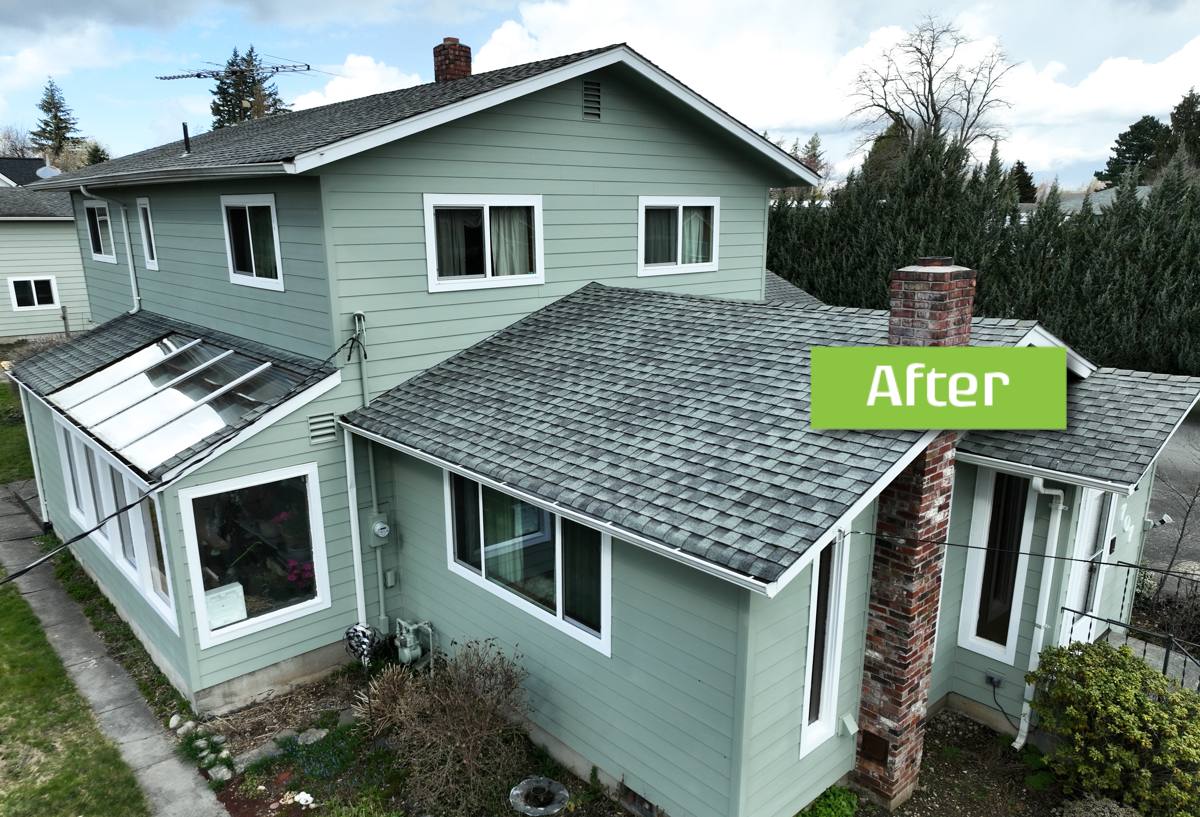
What a Correct Shingle Roof Needs on a Barrier Island
Wind-Rated Shingles and Proper Fastening
Not every asphalt shingle sold at a big-box store is built for coastal wind exposure, and not every installation crew nails them the way the manufacturer's warranty actually requires. On Anna Maria Island we install shingles rated for high-wind performance and fasten them according to the manufacturer's high-wind nailing pattern — the correct number of nails, in the correct zone of the shingle, driven flush without over-driving or under-driving. This detail is invisible once the roof is finished, but it is the single biggest factor in whether a roof stays on the house during a storm or ends up in the neighbor's yard.
Underlayment Built for Wind-Driven Rain
Standard felt underlayment can perform fine in a normal rainstorm but struggles when wind is driving water sideways and up under the shingle tabs. We use synthetic underlayment systems designed for wind-driven rain resistance, and we pay close attention to self-adhering, water-tight underlayment at vulnerable areas — eaves, valleys, and roof penetrations — where wind-blown water is most likely to find a way in.
Flashing and Edge Metal
Drip edge, valley metal, and flashing around chimneys, skylights, and vent pipes are where most leaks actually start, not in the field of the shingles themselves. On an island roof, this metal also has to hold up to salt air without corroding out from underneath the shingles years before the shingles themselves are due for replacement. We detail these areas the way the assembly is designed to work, not with shortcuts hidden by the shingle above them.
Comparing Shingle Options for Coastal Homes
Homeowners on the island generally choose between a few tiers of asphalt shingle. The table below is a general guide — actual performance always depends on correct installation, ventilation, and ongoing maintenance, not the product alone.
| Shingle Type | Typical Wind Rating | Best For | Trade-Offs |
|---|---|---|---|
| Standard 3-tab | Lower end of rated range | Budget-conscious re-roofs on lower-exposure elevations | Thinner profile, shorter service life in full coastal exposure |
| Architectural / laminate | Mid-to-high rated range | Most island homes; balance of cost, appearance, and durability | Higher upfront cost than 3-tab, still needs correct fastening to hit rated wind performance |
| High-wind / impact-rated architectural | Highest available rating for asphalt | Direct-exposure homes, insurance credit potential | Highest material cost tier; benefits depend on proper install |
We walk homeowners through this comparison based on the specific exposure of their roof — a home with a clear line to open water on the Gulf side generally justifies a higher wind-rated product than a more sheltered interior lot.
Our Installation Process
Inspection and Tear-Off
We start by getting a real look at the roof deck, not just the shingles on top of it. Salt air and humidity can cause hidden deck damage around vents, valleys, and eaves that isn't visible until the old roofing is off. Full tear-off lets us see the actual condition of the plywood or OSB underneath instead of covering up a problem with a second layer.
Deck Repair
Any soft, delaminated, or water-damaged decking gets replaced before anything else goes down. Fastening new shingles over a compromised deck is one of the most common reasons a roof fails early, regardless of how good the shingle itself is.
Underlayment, Flashing, and Edge Metal
With a sound deck confirmed, we install the underlayment system, drip edge, and flashing detailed above — the layers that do the real work of keeping wind-driven rain out even if a shingle tab lifts in a storm.
Shingle Installation and Ventilation
Shingles go down using the manufacturer's high-wind nailing pattern, with valleys, hips, and ridges detailed to shed water correctly rather than trap it. We check that intake and exhaust ventilation are balanced before calling the job finished, since ventilation affects both attic temperature and how long the shingles themselves will last.
Salt Air, Corrosion, and Metal Choices
Salt air is corrosive to standard steel fasteners, vent boots, and flashing, and that corrosion happens whether a home is directly oceanfront or a few streets back — the whole island sits inside the same salt-laden air. We use fastener and flashing materials chosen for corrosion resistance in coastal exposure, and we pay attention to dissimilar-metal contact points, where two different metals touching each other near saltwater air can accelerate corrosion in ways that aren't obvious until years later. This is a detail that's easy to skip and expensive to ignore.
Attic Ventilation, Cost Factors, and Insurance
Ventilation and Year-Round Sun
Florida's sun is intense in every season, not just summer, and an attic that can't vent that heat out will cook shingles from underneath as well as bake them from above. Proper intake at the eaves and exhaust at the ridge keeps attic temperatures more reasonable, which protects both the roofing system and the energy efficiency of the home below it.
What Affects the Cost
Every roof is different, and we give exact numbers only after a real inspection — but the factors below are what typically move the price up or down.
| Factor | Cost Impact | Why |
|---|---|---|
| Number of existing layers to remove | Moderate to high | More tear-off labor and disposal |
| Roof pitch and access | Moderate | Steeper or harder-to-access roofs take longer and need more safety setup |
| Deck repair needed | Variable | Only known once old roofing is off; hidden damage adds material and labor |
| Shingle tier selected | Low to high | 3-tab, standard architectural, and high-wind architectural are priced differently |
| Ventilation or flashing upgrades | Low to moderate | Bringing older systems up to correct performance standards |
Wind Mitigation and Insurance
Florida homeowners can request a wind mitigation inspection after a qualifying roof replacement, which documents features like roof shape, deck attachment, and secondary water resistance that insurers use to calculate premium credits. We install to the standards that support that documentation, but the inspection itself and any resulting insurance credit are between the homeowner and their insurer — we recommend confirming current requirements with your insurance agent and the local building department before assuming a specific discount.
Maintenance Checklist for Island Homes
Coastal exposure means a shingle roof on Anna Maria Island benefits from more frequent attention than the same roof would need further inland. A simple routine catches small problems before they become leaks.
- Visual check after any named storm or significant wind event for lifted or missing shingles
- Twice-yearly look at flashing around chimneys, skylights, and vent pipes for gaps or corrosion
- Keep gutters and valleys clear of debris so water has a clear path off the roof
- Watch for granule loss in gutters or downspouts, a sign shingles are wearing from UV exposure
- Check attic ventilation isn't blocked by insulation or debris
- Address small leaks or soft spots immediately rather than waiting for the next storm season
Why a Crew That Already Works the Island Matters
Anna Maria Island has its own logistics: bridge access, tighter lots, HOA and community rules in some areas, and permitting that goes through Manatee County or the applicable municipal authority for the island. A crew that already works on the island knows how to schedule material delivery and disposal around that access, knows what the local permitting process actually requires, and has already worked through the coastal-specific detailing that this article covers — wind-rated fastening, corrosion-resistant flashing, and underlayment built for wind-driven rain — on other island homes, not just inland ones. That experience shows up in fewer surprises during the job and in a roof that's built for the exposure it's actually going to face.
If you're planning a roof replacement or repair on Anna Maria Island, we're happy to take a look and give you a straightforward, no-pressure estimate. Use the form below to get started.