 Bradenton Siding
 Siding Installation Built for a Barrier Island
Anna Maria Island sits right on the Gulf, and that location is exactly what makes siding decisions here different from a typical inland Bradenton or Manatee County job. Homes on the island take a steady diet of salt-laden air, direct sun off open water, wind-driven rain, and — during hurricane season — the kind of sustained wind loads that inland neighborhoods simply don't see as often. Siding that performs fine ten miles inland can fail early out here if it wasn't chosen and installed with that exposure in mind.
This page is about one job: siding installation for homes on Anna Maria Island. Not a general overview of siding, not a sales pitch — a straightforward look at what island homes actually need from their siding, what a correct installation involves, and why the crew doing the work matters as much as the material itself.
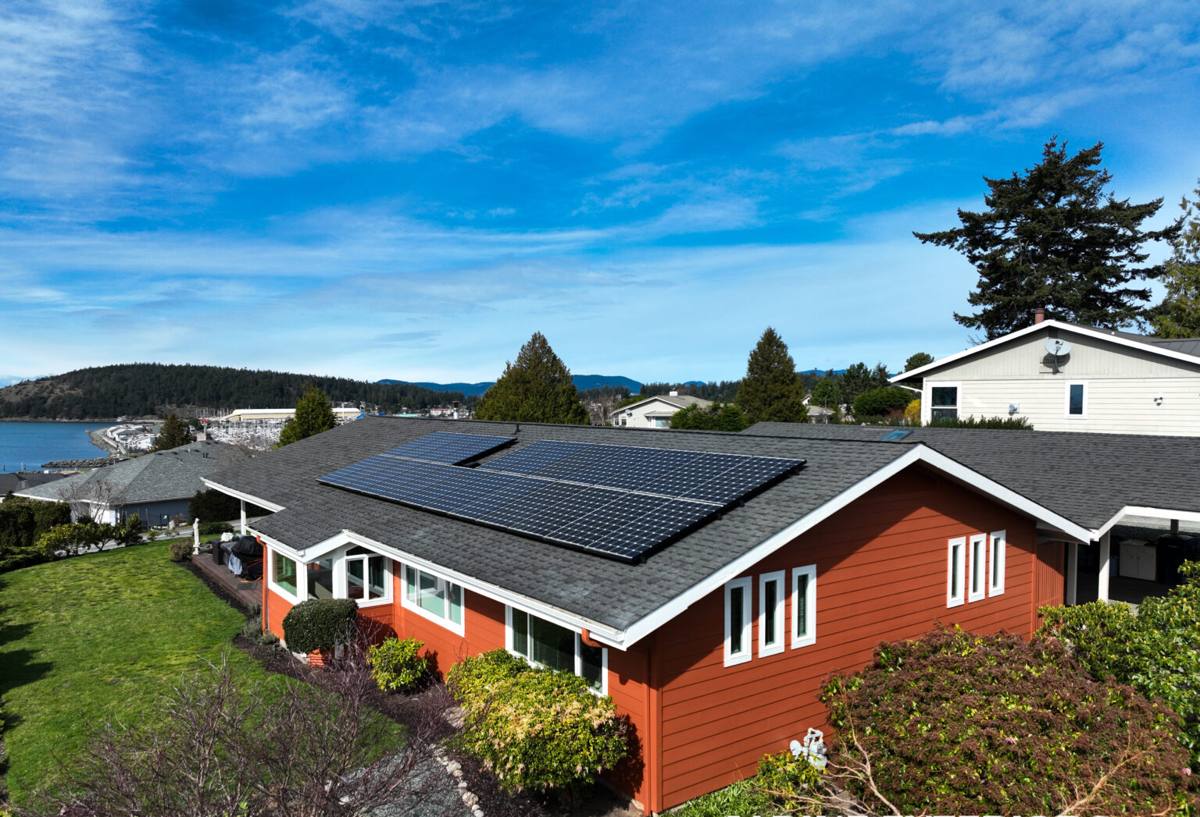
What the Island Climate Does to Siding
Four stressors show up again and again on barrier island homes, and each one attacks siding differently.
Salt Air and Corrosion
Airborne salt doesn't just sit on the surface — it works into fasteners, trim joints, and any exposed metal. Over years, that accelerates corrosion in low-quality fasteners and flashing, which shows up as rust streaking, loosened boards, and premature paint failure well before a homeowner expects it.
Intense, Near-Constant UV
Florida sun is hard on exterior materials everywhere, but reflected UV off open Gulf water adds to the exposure on waterfront and near-waterfront homes. Cheap paint jobs chalk, fade, and crack faster here than in shaded inland lots.
Wind-Driven Rain
It's not just how much rain falls — it's the angle it arrives at. Wind-driven rain gets pushed sideways and upward, finding any gap in flashing, caulking, or lap coverage that a calmer climate would never expose. This is where sloppy installation shows up first, usually as hidden moisture behind the siding rather than an obvious leak.
Hurricane-Force Wind Loads
Manatee County's barrier islands are directly in the path during tropical systems. Siding on these homes has to hold under uplift and lateral wind pressure, which depends far more on fastening pattern and substrate condition than on the siding brand printed on the box.
Why "Any Siding, Installed Any Way" Doesn't Cut It Here
A lot of siding problems we get called out to inspect on the island aren't really material failures — they're installation failures that the climate exposed faster than it would have elsewhere. Missing or undersized starter strips, insufficient fastener penetration into the substrate, gaps at butt joints, and flashing that wasn't lapped correctly at windows and corners are common culprits. On an inland home those mistakes might take a decade to show. On an exposed island lot, wind-driven rain and salt air can expose them in a few years.
That's why we treat island homes as their own category, not a smaller version of a standard Bradenton siding job. The product has to be able to take the exposure, and the installation has to close every gap the wind and rain will find.
What a Correct Siding Installation Involves
Regardless of the home's age or style, a correct siding job on Anna Maria Island covers the same fundamentals — done to spec, not approximated.
- Full substrate inspection before any new siding goes up — rot, delamination, or water-damaged sheathing gets addressed first, not covered over
- A proper weather-resistant barrier installed and lapped correctly, shingle-style, so water sheds outward at every seam
- Correct flashing at all windows, doors, and roof-to-wall transitions, integrated with the barrier rather than just caulked on top
- Manufacturer-specified fastener type, spacing, and penetration depth — critical for wind resistance, and non-negotiable on a coastal job
- Proper clearance from grade, roof lines, and decks so siding isn't sitting in standing moisture
- Correct joint treatment and factory-finish touch-up so cut edges aren't left exposed to salt air and UV
Skipping any one of these doesn't necessarily cause a problem on day one. It causes a problem in year three or four, once salt air and storm season have had time to find the weak point.
Why We Install Only James Hardie Fiber Cement
We standardized on James Hardie fiber cement siding for every home we work on, including Anna Maria Island, and we don't install vinyl, LP SmartSide, or other fiber cement alternatives. On a barrier island, the reasoning is straightforward:
- Non-combustible material that doesn't soften, warp, or deform in sustained Florida heat the way vinyl can
- ColorPlus factory finish, which is baked on and formulated to resist UV fading better than field-applied paint — a real advantage under constant Gulf sun
- HZ5 product engineering, Hardie's line built specifically for high-humidity, storm-prone climates like ours
- Moisture resistance that doesn't rely on trapped air gaps or vulnerable seams the way some engineered wood products do
- A strong transferable warranty backed by a manufacturer with decades of track record in coastal markets, not just Florida
We're not going to tell you every other product on the market is unusable — plenty of homes elsewhere have used them without incident. But for what an Anna Maria Island home takes on every year, we've made the professional call that Hardie fiber cement, installed correctly, is the material we're willing to put our name behind.
Cost Factors on an Island Job
Every siding estimate is specific to the house, but a few factors consistently move the number on island properties more than they would on a typical inland Bradenton home.
| Factor | Why It Affects Cost on Anna Maria Island |
|---|---|
| Substrate condition | Older coastal homes more often need sheathing repair before new siding goes on |
| Access and logistics | Narrower lots and limited staging space common on barrier island properties can affect labor time |
| Flashing detail work | Homes with more window/door openings or roofline transitions need more flashing labor to do correctly |
| Fastener and corrosion-resistant hardware | Coastal-grade fasteners cost more than standard, but they're not optional this close to salt water |
| Home elevation/style | Elevated or piling-supported homes, common near the water, add scaffolding and access considerations |
We walk every one of these through with the homeowner during the estimate, so there are no surprises once work starts.
Our Process for Island Installations
The steps don't change from house to house, but the attention to detail scales up for island exposure:
- On-site inspection of existing siding, trim, and substrate condition
- Written estimate covering material, labor, and any substrate repair identified
- Removal of old siding and full substrate assessment before covering anything
- Repair of any compromised sheathing or framing found underneath
- Installation of weather-resistant barrier, flashing, and James Hardie siding to manufacturer spec
- Final walkthrough with the homeowner before the job is called complete
Why a Crew That Already Works Anna Maria Island Matters
Siding installers who mostly work inland can still do competent work, but a crew that regularly works the barrier island has already run into the specific problems this environment causes — the corrosion patterns, the moisture points that show up behind siding on Gulf-exposed walls, the fastening details that actually hold under real coastal wind loads. That familiarity shows up in fewer callbacks and fewer surprises found five years after installation, not on day one.
It also matters for basic logistics — permitting, working around narrower island lots, and scheduling around the same seasonal weather patterns every contractor on the island has to plan around. A crew that's done it before doesn't have to learn those lessons on your house.
Signs Your Current Siding Needs Attention
If you're on Anna Maria Island and unsure whether it's time to look at replacement rather than repair, watch for these:
- Visible cracking, buckling, or warping, especially on Gulf-facing walls
- Paint that's chalking heavily or fading unevenly across the same wall
- Soft spots or discoloration near window and door trim
- Rust staining running down from fasteners or metal flashing
- Gaps opening up at butt joints or corners
- A noticeable increase in interior humidity or musty smell along exterior walls
Any one of these on its own isn't necessarily an emergency, but on an island home they're worth having looked at before the next storm season rather than after.
If you own a home on Anna Maria Island and want a straight answer about your siding's condition — or you're ready to plan a replacement that's actually built for what this island throws at it — we're happy to walk the property with you. The estimate is free, there's no pressure, and you'll get a clear breakdown of what we find. Use the form below to get started.