 Bradenton Siding
 New-Construction Windows Built for a Barrier Island, Not a Subdivision
Putting windows into a new build on Anna Maria Island is a different job than replacing windows in an existing house, and it's a different job than framing a new build a few miles inland in Bradenton. New-construction windows go in before the exterior finish is closed up — before stucco, before siding, sometimes before the house is even fully dried in. That means the window and the wall have to be integrated correctly the first time, because once the exterior skin goes on, mistakes in flashing or fastening are hidden behind finished walls. On a barrier island exposed to open Gulf and bay wind, salt spray, and direct sun almost every day of the year, those mistakes don't stay hidden for long — they show up as leaks, corrosion, and failed seals within a few storm seasons.
This page is about doing that job right, specifically for homes going up or being added onto on Anna Maria Island, whether you're a homeowner working with a builder or a general contractor looking for a window crew that already understands island conditions.
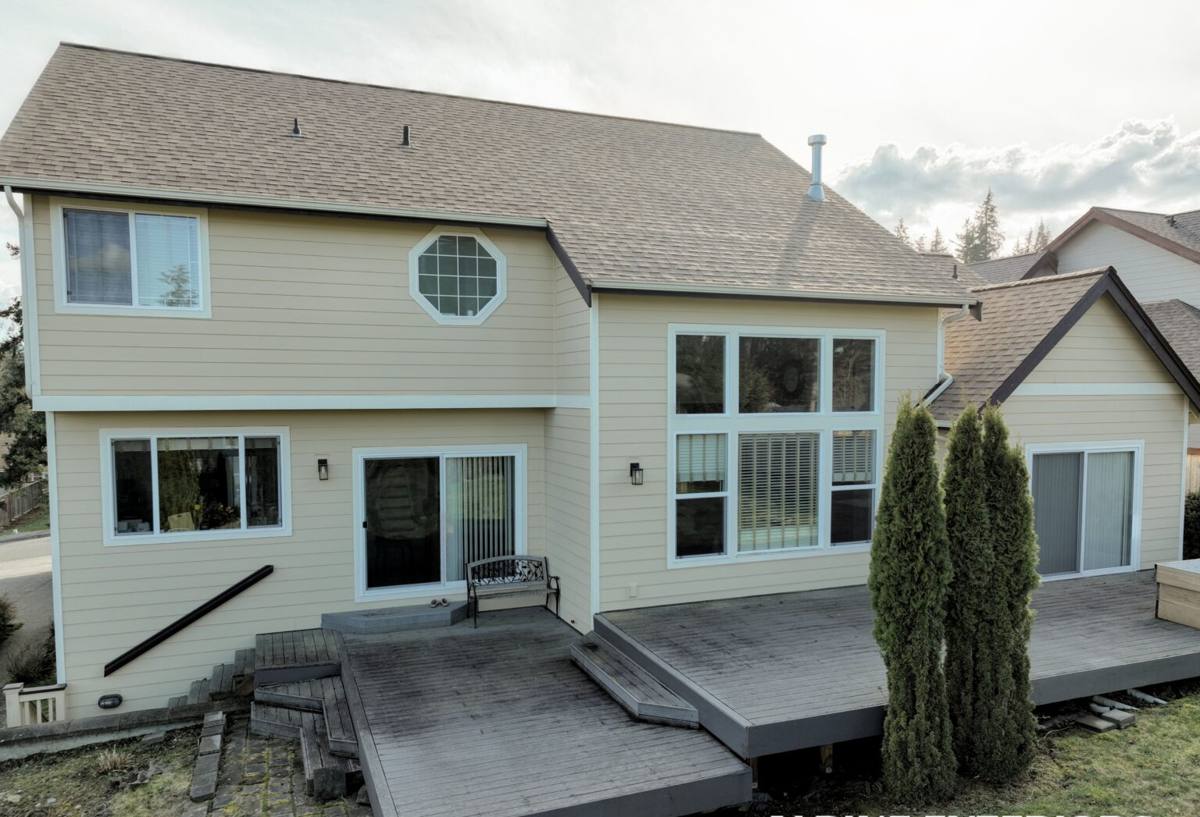
What the Island's Climate Actually Demands From a Window Package
Hurricane-Force Wind and Airborne Debris
Anna Maria Island sits directly on the Gulf with almost no buffer between the structure and open water. Design wind speeds here are high, and most of the island falls inside a wind-borne debris region under the Florida Building Code, which means new windows generally need to be impact-rated or paired with code-approved protection — not decorative shutters, but tested systems with documented approval. This isn't a box to check for the inspector; it's the difference between a window that stays in its opening during a direct hit and one that doesn't.
Salt Air and Corrosion
Salt-laden air moves across the whole island, not just the beachfront lots. It attacks hardware, fasteners, and lesser frame finishes steadily over time, whether the house is oceanfront or on the bay side. Frame material, hardware finish, and fastener selection all need to account for that from day one — retrofitting corrosion resistance later isn't really possible.
Constant UV Exposure
Florida sun is intense year-round, not seasonal. UV breaks down cheap vinyl compounds, degrades seals, and fades interior finishes near glass. Glass packages and frame materials need UV stability built in, not just a decent-looking window on install day.
Wind-Driven Rain
Storms here don't just bring water down — wind pushes rain sideways and up under trim, sills, and laps. A new-construction window's flashing has to shed water in every direction, not just off the top, because a tight seal on a calm day tells you nothing about how it performs in a squall.
The Code Basics Every Anna Maria Island Homeowner Should Understand
You don't need to become a code expert to build correctly here, but a few terms are worth knowing because they'll show up on your permit documents and your window quotes:
- Design Pressure (DP) rating — how much wind load a window is engineered to withstand, which varies by where the window sits on the wall (corner vs. field), the height of the structure, and the site's exposure category.
- Wind-borne debris region — the code designation that determines whether openings need impact-rated glazing or approved protection.
- Florida Product Approval / Miami-Dade NOA — the documentation number tied to a specific window assembly that proves it was tested to the applicable standards. This number has to match what's on the permit and the installed unit — substituting a similar-looking window without matching approval creates a real problem at inspection and at insurance time.
Because Anna Maria Island is a barrier island, exposure category and wind speed can push design pressure requirements higher than what's typical a short drive inland in Bradenton, even on lots that look similar. Plans should reflect the actual site, not a generic Manatee County default.
Frame Material and Glass: What Actually Holds Up Here
There's no single "best" window for every island lot — it depends on budget, exposure, and the look of the house. But some trade-offs are worth understanding honestly before you commit.
| Option | Strengths on the Island | Trade-Offs to Plan For |
|---|---|---|
| Vinyl frame, impact-rated | Good value, no paint/corrosion upkeep, solid thermal performance | Lower-grade vinyl can degrade under constant UV; frame quality varies widely by manufacturer |
| Aluminum frame, impact-rated | Strong, slim sightlines, common on coastal architectural styles | Needs a marine-grade or coastal finish to resist salt corrosion; thermal performance needs attention |
| Fiberglass frame | Very stable dimensionally, holds paint and finish well over decades | Higher upfront cost; fewer stock configurations, longer lead times |
| Laminated impact glass | Meets wind-borne debris code, cuts UV transmission, adds sound dampening | Heavier units require correctly sized hardware and framing to operate smoothly long-term |
Our standard on new builds is matching the frame and glass package to the site's actual design pressure and exposure, then confirming the product approval paperwork before it ever gets ordered — not picking a window because it's the cheapest one that technically qualifies as "impact-rated."
What a Correct New-Construction Installation Actually Involves
New-construction install is a sequencing job as much as a carpentry job. Get the order wrong and the window can look fine for years before it leaks.
- Rough opening check — verifying the framed opening is square, plumb, and sized to the manufacturer's tolerance before the window ever arrives on site.
- Sill pan flashing — creating a sloped, sealed pan at the sill so any water that gets past the window drains back outside the wall instead of into it.
- Weather-resistive barrier integration — lapping the house wrap and flashing tape in the correct shingle-style order (bottom up) so water always sheds outward, never behind the barrier.
- Setting and fastening the window — using the fastener type, spacing, and pattern specified for that unit's product approval, not a generic "close enough" schedule.
- Head flashing — installed last, over the top of the window flange, so it directs wind-driven rain away from the head jamb.
- Sealant and backer rod — the right sealant at the right joints, sized correctly rather than smeared on as an afterthought.
- Inspection sign-off — rough-in and final inspections tied to the permit, with product approval documentation on hand.
Skipping or reordering any of these steps is exactly how a brand-new window ends up with a hidden leak behind finished stucco or siding two years later.
How Our Process Works on Island Builds
New-construction projects move on the general contractor's schedule, so our process is built around staying in step with that, not slowing it down.
1. Plan Review and Product Matching
We review the architectural plans and window schedule, confirm design pressure requirements for the specific lot, and match products with valid Florida Product Approval or Miami-Dade NOA documentation for that opening.
2. Ordering and Lead Time Planning
Impact-rated units, especially larger or custom sizes, can carry longer lead times than stock inland orders. We order early against the framing schedule so windows are on site when the wall is ready, not holding up dry-in.
3. Coordinated Install
We work directly with the framing and stucco or siding crews so flashing sequencing lines up correctly with the rest of the building envelope — this is where most long-term failures actually originate, at the handoff between trades.
4. Inspection and Walkthrough
We stand behind the install through rough-in and final inspection, and we walk the homeowner or GC through operation, hardware, and basic maintenance before we consider the job done.
Why a Crew That Already Works Anna Maria Island Matters
Anna Maria Island isn't a single, uniform jurisdiction — it's split across a few small municipalities on a narrow barrier island, each with its own permitting and inspection process layered on top of Manatee County and state code. A crew that only occasionally works out here has to relearn that every time. A crew that works the island regularly already knows which documentation each department wants to see, how staging and material delivery work on tight island lots, and how elevated, piling-supported construction changes access for installers compared to a typical slab-on-grade house in Bradenton.
Salt exposure knowledge matters too — knowing which fastener and hardware finishes actually hold up a block from the water versus three blocks back changes what we spec, even within the same wind zone. That's the kind of judgment that only comes from doing this work on the island repeatedly, not from a spec sheet.
Choosing a New-Construction Window Installer: A Checklist
- Ask for the Florida Product Approval or Miami-Dade NOA number for the specific window model, not just a brand name
- Confirm the design pressure rating matches your site's exposure category and wall zone, not a blanket number
- Ask how they sequence flashing with the weather-resistive barrier and stucco/siding trades
- Confirm they'll coordinate lead times against your builder's framing and dry-in schedule
- Ask what frame and hardware finish they recommend for your proximity to salt water, and why
- Get a written scope covering rough-in inspection, final inspection, and documentation handoff
What This Typically Costs, and What Moves the Number
New-construction window pricing runs a wide range because it's driven by size, quantity, wind rating, and glass package — anyone quoting a flat number without seeing your window schedule is guessing. In general terms, expect impact-rated coastal packages to run from the low thousands per opening for standard sizes up into five figures for large openings or full glass walls, before labor.
| Factor | Why It Moves the Price |
|---|---|
| Design pressure rating required | Higher-rated assemblies use heavier glass and stronger frames/hardware |
| Opening size and configuration | Large or oversized units need heavier glass, reinforced framing, and sometimes custom sizing |
| Frame material | Vinyl, aluminum, and fiberglass carry different base costs and finish options |
| Number of openings and standardization | A full window schedule with repeated sizes typically prices better per unit than many one-off custom openings |
| Site access and staging | Tight island lots and elevated construction can add labor time versus an easy-access inland site |
If you're planning a new build or an addition on Anna Maria Island and want a straight answer on what your window schedule actually needs for this site and this wind zone, we're happy to take a look and put together a free, no-pressure estimate using the form below.