 Bradenton Siding
 Siding Built for Life on a Barrier Island
Anna Maria Island sits out where the Gulf meets Manatee County, and that location is exactly what makes siding decisions here different from a house ten miles inland in Bradenton. Salt air, direct sun almost every day of the year, and wind-driven rain off the Gulf all work on a home's exterior at the same time, year-round. Siding that holds up fine in a shaded inland neighborhood can fail early on the island simply because the exposure is more constant and more severe. This page is about one product, installed one way, for homes in this one environment: James Hardie fiber cement siding, installed to the specifications that actually matter for a barrier island home.
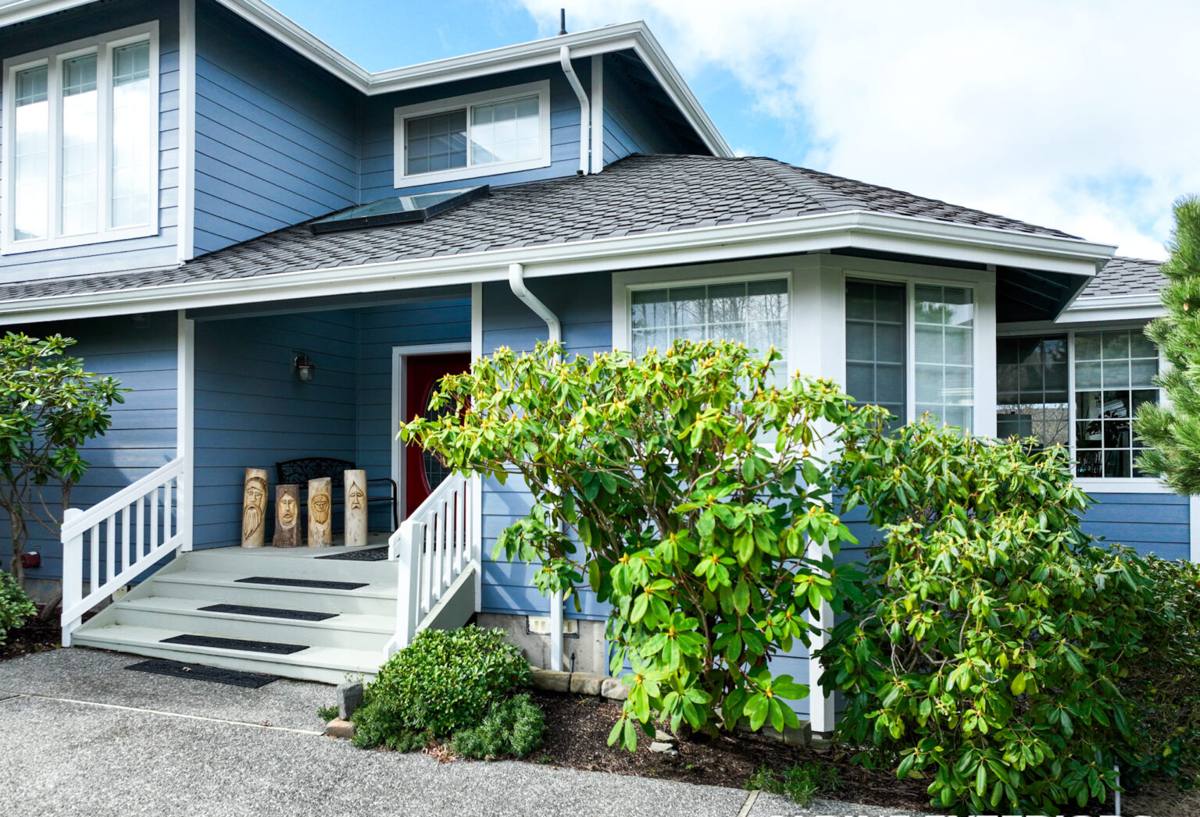
Why Anna Maria Island Is Harder on Siding Than Most of Florida
Every coastal community deals with heat and storms, but a barrier island adds a few conditions that inland Bradenton and Manatee County homes don't face to the same degree.
Salt Air and Corrosion
Airborne salt doesn't just affect homes on the immediate waterfront. It travels on the wind across the whole island, settling on siding, trim, and fasteners. Over time it accelerates corrosion in unprotected metal components and breaks down materials that weren't engineered with coastal exposure in mind. Siding, trim, and fastener choices all need to account for this, not just the paint color on top.
Wind-Driven Rain
Storms here rarely bring rain straight down. Wind pushes it sideways and up, driving moisture into seams, laps, and penetrations that would stay dry in a calmer climate. A siding system that isn't lapped, flashed, and fastened correctly will let water behind it long before the surface material itself shows any wear.
Intense, Constant UV
Florida sun is strong everywhere, but an island with little shade cover and reflected light off the water means siding on Anna Maria Island homes takes a near-constant UV load. Paint film that isn't factory-cured for that kind of exposure will chalk, fade, and need repainting far sooner than a homeowner should have to deal with.
None of these conditions are unique in isolation. What's unique is having all three hit the same house, every day, for as long as the home stands.
What Correct Fiber Cement Installation Actually Involves
Fiber cement siding is only as good as the installation behind it. On Anna Maria Island, we don't treat the manufacturer's install specs as optional guidance — they're the difference between siding that performs for decades and siding that traps moisture within a few years.
Clearances and Flashing
Siding needs proper clearance from rooflines, decks, and grade, and every penetration — hose bibs, vents, light fixtures, electrical connections — needs to be flashed so wind-driven rain can't track behind the board. Skipping or shortcutting flashing is one of the most common causes of hidden moisture damage behind siding in coastal homes.
Fastening for High Wind
Fastener type, spacing, and placement all change based on wind exposure category, and an island home typically falls into a higher exposure category than a comparable home a few miles inland. Corrosion-resistant fasteners, installed at the correct pattern, keep siding secured through sustained wind events instead of working loose over time.
Joints, Seams, and Caulking
Butt joints and seams are where water intrusion usually starts. Correct installation staggers joints, backs them properly, and uses sealant rated for continuous sun and moisture exposure — not a generic caulk that will shrink and crack within a season or two on the island.
Why We Install Only James Hardie on Anna Maria Island Homes
We install James Hardie fiber cement exclusively. We don't install vinyl, LP SmartSide, Cemplank, Allura, or primed wood siding, and on a barrier island the reasons matter more than they would elsewhere.
Hardie's HZ5 formulation is engineered specifically for high-humidity, high-moisture climate zones like ours, which is a meaningful distinction from fiber cement products built to a single national specification. The ColorPlus factory finish is baked on under controlled conditions and backed by a finish warranty, which matters directly on a site where sun exposure is constant and where a homeowner doesn't want to be repainting every few years. Fiber cement itself is non-combustible and dimensionally stable, so it doesn't expand, contract, or absorb moisture the way wood-based and vinyl products can. Combined with a strong transferable warranty, that's the profile we want standing on a home that's going to face this climate for the next several decades, and it's why we don't put anything else on the houses we work on.
How Fiber Cement Compares in This Climate
| Siding Material | Salt Air / Corrosion Resistance | Wind-Driven Rain Performance | Maintenance Burden |
|---|---|---|---|
| James Hardie Fiber Cement (HZ5) | Strong — engineered for humid coastal zones | Strong when installed to spec | Low — factory finish, occasional rinsing |
| Vinyl Siding | Can become brittle and fade faster under constant UV and salt exposure | Prone to water tracking behind panels if not tightly installed | Low upfront, but early replacement common in harsh coastal exposure |
| Engineered Wood (LP-style) | Moisture-sensitive; salt-laden humidity increases swelling risk | Vulnerable at unsealed cut edges and joints | Higher — coatings and seams need regular inspection |
| Primed Wood / Cedar | Requires frequent repainting and sealing to resist salt and moisture | Absorbs moisture if finish is compromised | Highest — ongoing painting and sealing required |
Our Process for Anna Maria Island Projects
Working on the island isn't the same as working a standard inland Bradenton lot, and our process reflects that.
- Assessment: We evaluate the home's exposure — waterfront-facing, canal-side, or interior island lot — since wind and salt loading vary even within a few blocks.
- Substrate check: Before any new siding goes up, we check what's underneath the old siding for hidden moisture damage, since sideways-driven rain often finds its way in long before it's visible from outside.
- Permitting: Anna Maria Island projects fall under flood zone and wind zone requirements that affect fastening schedules and product specification, and we handle that permitting as part of the job rather than leaving it to the homeowner.
- Installation to spec: Flashing, clearances, fastener pattern, and joint treatment are done to the manufacturer's climate-specific requirements, not a generic install.
- Final walkthrough: We inspect the finished siding with the homeowner before considering the job complete.
Cost Factors for Fiber Cement Siding on Anna Maria Island
Every home is priced individually, but the factors that move the number are consistent. Broad ranges only — we'll give you an exact figure after a walkthrough.
| Factor | Why It Affects Cost |
|---|---|
| Home size and number of stories | More surface area and taller elevations increase material and labor time |
| Existing siding removal and disposal | Tear-off adds labor, especially with multiple existing layers |
| Substrate or moisture repair | Hidden water damage found during tear-off must be corrected before new siding goes up |
| Trim and architectural detail | Dormers, multiple rooflines, and custom trim take more time to flash and finish correctly |
| Product line selected | HZ5 boards and specific ColorPlus finishes vary in cost from standard options |
| Site access and logistics | Bridge access, narrow lots, and limited staging space on island properties can affect scheduling and labor |
Maintenance Checklist for Anna Maria Island Homeowners
Correctly installed Hardie siding is low-maintenance, not no-maintenance. On the island, a few habits go a long way toward getting the full lifespan out of it.
- Rinse siding periodically with a garden hose to clear accumulated salt residue, especially on Gulf-facing elevations
- Inspect caulked joints and seams once or twice a year for cracking or separation
- Check fastener heads and trim for any early signs of corrosion or staining
- Walk the exterior after any significant wind event to look for loosened boards or damaged flashing
- Keep gutters and downspouts clear so water is directed away from siding rather than running down the face of the house
- Trim back vegetation touching siding to reduce trapped moisture and debris buildup
Why Hiring a Crew That Already Works Anna Maria Island Matters
Island jobs come with logistics that don't apply to a typical mainland Bradenton project — bridge access, tighter lots, permitting tied to flood and wind zone designations, and in some communities, HOA design requirements on top of standard building code. A crew that already works on the island has the permitting relationships and site logistics worked out before your project starts, rather than learning them on your job. That matters just as much as product knowledge when it comes to keeping a project on schedule and installed correctly the first time.
If you're weighing a siding project for your Anna Maria Island home, we're happy to walk the property, look at what's there now, and give you a straight assessment of what it needs. There's no pressure and no cost to get an estimate — just fill out the form below to get started.