 Bradenton Siding
 Anna Maria Island's Climate Doesn't Go Easy on Vertical Siding
Anna Maria Island sits right at the edge of the Gulf, which means every exterior surface out there takes a harder hit than siding installed even a few miles inland in Bradenton. Salt-laden air moves through screens, fasteners, and seams every day, not just during storms. Year-round UV breaks down pigments and coatings faster than in shadier parts of Manatee County. Wind-driven rain finds any gap in flashing or caulking during the frequent afternoon storms, and when a tropical system tracks through, the wind loads on an island home are higher than what a house set back from open water typically sees.
Board and batten siding, with its vertical seams and raised battens, is a great architectural fit for the island's beach-cottage look. But that style also creates more edges and joints than a plain flat panel — every one of which has to be detailed correctly, or the climate will find it. None of that makes board and batten a poor choice for this location. It means the material behind the boards, and the installation details around them, matter more here than they would a few miles inland.
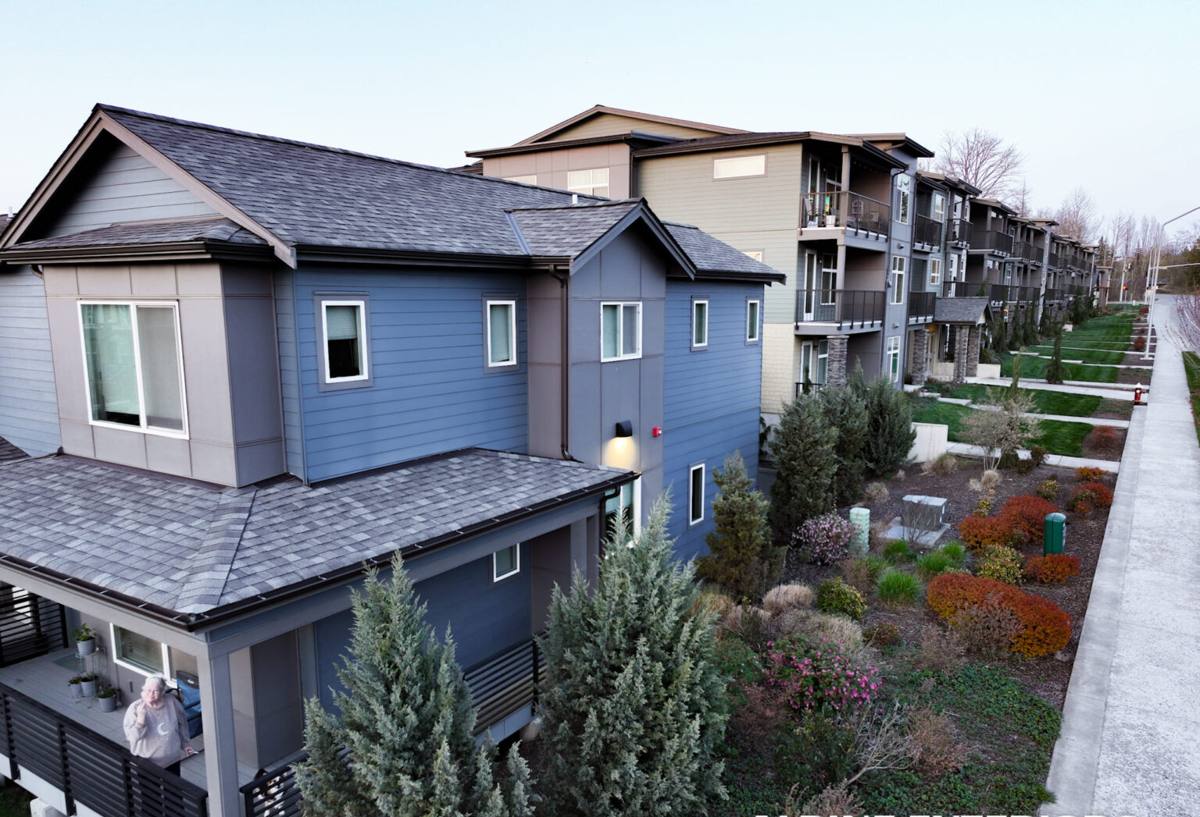
What Board and Batten Siding Actually Is
Board and batten is a vertical siding style built from wide flat panels installed side by side, with a narrower strip — the batten — covering each seam. The result is a rhythm of raised vertical lines that reads as classic Florida coastal cottage, Key West, or modern farmhouse, depending on the trim and color chosen around it. On the island it shows up both as a full-house exterior and as an accent on gables, dormers, and porch sections paired with a different siding profile below.
The style itself is simple. What actually determines how it performs over the next 20 years in a Gulf-front environment is what the boards and battens are made of, and how the crew handles the wall behind them.
Why the Material Behind the Boards Matters More Here Than Anywhere Else
Vinyl Board and Batten in Salt Air
Vinyl board and batten is inexpensive and easy to find, but it's a thin plastic product that expands and contracts significantly with heat, and constant UV exposure on an island with very little shade accelerates fading and brittleness over time. Salt air also works its way behind the panels through the overlaps, and if a homeowner ever wants to change the color, vinyl doesn't hold paint — you're stuck with whatever shade it's faded to.
Engineered Wood and Primed Wood Battens
Engineered wood board and batten looks good on day one and holds paint well, but it's still a wood-fiber product at its core. Any point where wind-driven rain gets past a seam, a fastener hole, or a cut end starts a swelling and softening process that's hard to catch early, because it happens from the inside of the board outward. In a climate with this much humidity and salt moisture, that's a real ongoing maintenance burden, not a hypothetical one.
James Hardie Fiber Cement Board and Batten
This is why we install only James Hardie fiber cement for board and batten work on the island. It's a cement and cellulose fiber product — not wood, not plastic — so it doesn't rot and it's non-combustible. Hardie's HZ5 formulation is engineered specifically for high-humidity, high-moisture climates like ours. The ColorPlus factory finish is baked on under controlled conditions rather than sprayed on site, which gives it better fade and chip resistance against the UV load this island sees every day of the year. And if a color change is ever wanted decades from now, fiber cement holds field-applied paint far better than vinyl ever will.
What a Correct Board and Batten Installation Involves
Board and batten fails on coastal homes almost never because the boards themselves were bad — it fails because of shortcuts in the parts you don't see once the job is finished. A correct installation on Anna Maria Island includes the following.
A Drainage Path Behind the Panels
Vertical siding needs a way for any moisture that gets behind it to drain and dry, not sit against the wall sheathing. That means a proper weather-resistive barrier and, in most cases, a furring or rainscreen strategy behind the boards rather than fastening flat against the sheathing — especially on gulf-facing walls that take rain head-on.
Corrosion-Resistant Fasteners, Spaced to Specification
Standard fasteners corrode quickly in salt air, and under-fastened or over-driven boards are among the most common causes of siding failure along the coast. We fasten to Hardie's published spacing and edge-distance requirements with fasteners rated for the exposure, on every elevation — not just the ones facing the street.
Flashing and Sealant at Every Penetration
Every window, door, light fixture, and utility penetration through board and batten is a place wind-driven rain will try to get behind the siding. Flashing has to tie into the water-resistive barrier correctly, and sealant joints have to be sized and placed the way the manufacturer specifies, not just caulked over as a last step.
Batten Spacing and Layout Planned Before the First Board Goes Up
Batten spacing affects both the finished look and how water sheds off the wall. It gets planned around the home's actual dimensions and openings before installation starts, so you don't end up with an awkward sliver of board at a corner or a batten landing badly next to a window.
Comparing Board and Batten Materials for Island Homes
| Material | Behavior in Salt Air & UV | Moisture Risk | Repaint / Color Change | Our Position |
|---|---|---|---|---|
| Vinyl | Fades and becomes brittle faster under constant sun | Low rot risk, but traps moisture behind panels | Doesn't hold field-applied paint well | Not installed |
| Engineered wood | Coating holds up if maintained regularly | Swells and softens if any seam fails | Holds paint well | Not installed |
| Primed cedar / spruce | Natural material, high maintenance demand in this climate | Highest rot and insect risk near salt water | Requires frequent repainting | Not installed |
| James Hardie fiber cement | ColorPlus finish engineered for UV and coastal fade resistance | Non-combustible, doesn't rot | Holds field-applied paint if ever needed | What we install |
Our Process for Anna Maria Island Projects
Site Visit and Exposure Assessment
We look at which elevations take the most direct gulf wind and rain, check the existing wall condition for any signs of past moisture intrusion, and confirm the home's wind zone and any flood elevation factors that affect the installation approach.
Permitting
Manatee County and the island's building requirements call for wind-rated assemblies and correct fastening schedules, and any siding project on the island needs a permit pulled and inspected properly. We handle that as part of the job rather than leaving it to the homeowner to sort out.
Working the Island's Logistics
A barrier island job isn't the same as a mainland Bradenton job in terms of logistics — bridge access, narrow lots, limited staging space, and seasonal traffic all affect scheduling and material delivery. Because we already work on the island regularly, we plan around those realities instead of losing days to them mid-project.
Installation and Final Walkthrough
Boards and battens go up to the manufacturer's fastening and clearance specifications, every penetration gets flashed and sealed, and we walk the finished job with the homeowner before calling it done.
Living With Board and Batten on an Island Home
James Hardie fiber cement is low-maintenance, not no-maintenance, and a Gulf-front location adds one factor that inland homes don't have to think about: salt film buildup. Rinsing the exterior down periodically — the same way you'd rinse patio furniture or a car after weeks near the water — keeps salt residue from sitting on the surface and dulling the finish. Beyond that, an annual look at the caulking around windows, doors, and trim, and a check for any chalking or color change, is really all a correctly installed Hardie board and batten exterior needs. That's a much shorter list than what vinyl or wood siding demands in the same environment.
Questions Worth Asking Before You Hire
- Is the crew installing manufacturer-rated fasteners and spacing for a coastal exposure, or just standard fasteners?
- Is there a drainage plane or furring strategy behind the boards, or are they going flat against the sheathing?
- Who is pulling the permit, and does the installer have current experience with island-specific wind and flood requirements?
- What does the warranty actually cover — product and labor — and who stands behind it if there's ever a problem?
- Has this crew worked on Anna Maria Island before, or is this their first time dealing with the bridge, staging, and access constraints?
Why a Crew That Already Works This Island Matters
Board and batten siding done right on Anna Maria Island isn't a different product than what goes up anywhere else in the Bradenton area — it's the same James Hardie fiber cement, installed to the same fastening and flashing standards. What changes is how little margin for error the environment leaves. A crew that hasn't worked the island before is learning the bridge logistics, the permitting details, and the wind and moisture realities on your project as they go. A crew that already does this work on the island regularly has made those adjustments long ago and simply gets it right the first time.
If you're considering board and batten siding for a home on Anna Maria Island, we're glad to come take a look and talk through what your specific house needs — no pressure, no obligation. Use the form below to request a free estimate.