 Bradenton Siding
 Braden River Homes Take a Beating From the Climate — Even When It Looks Fine
Braden River sits inland from the Gulf, but "inland" doesn't mean sheltered. Homes here still sit under Manatee County's full weather load: hurricane-force wind events that stress every seam and fastener on a wall, sun exposure intense enough to break down lesser materials within a few years, wind-driven rain that gets pushed sideways into laps and trim, and salt-laden air that travels much farther inland on Gulf breezes than most homeowners assume. None of that shows up as a single dramatic failure. It shows up as siding that looks acceptable from the street while the material underneath is quietly losing its ability to protect the house.
That gap between "looks fine" and "is fine" is exactly why installation quality matters more here than in milder climates. A siding product that's marginal for this environment, or a job that cuts corners on flashing and fastening, won't fail on day one. It fails in year four or five, usually after the labor to fix it costs more than doing it right the first time would have.
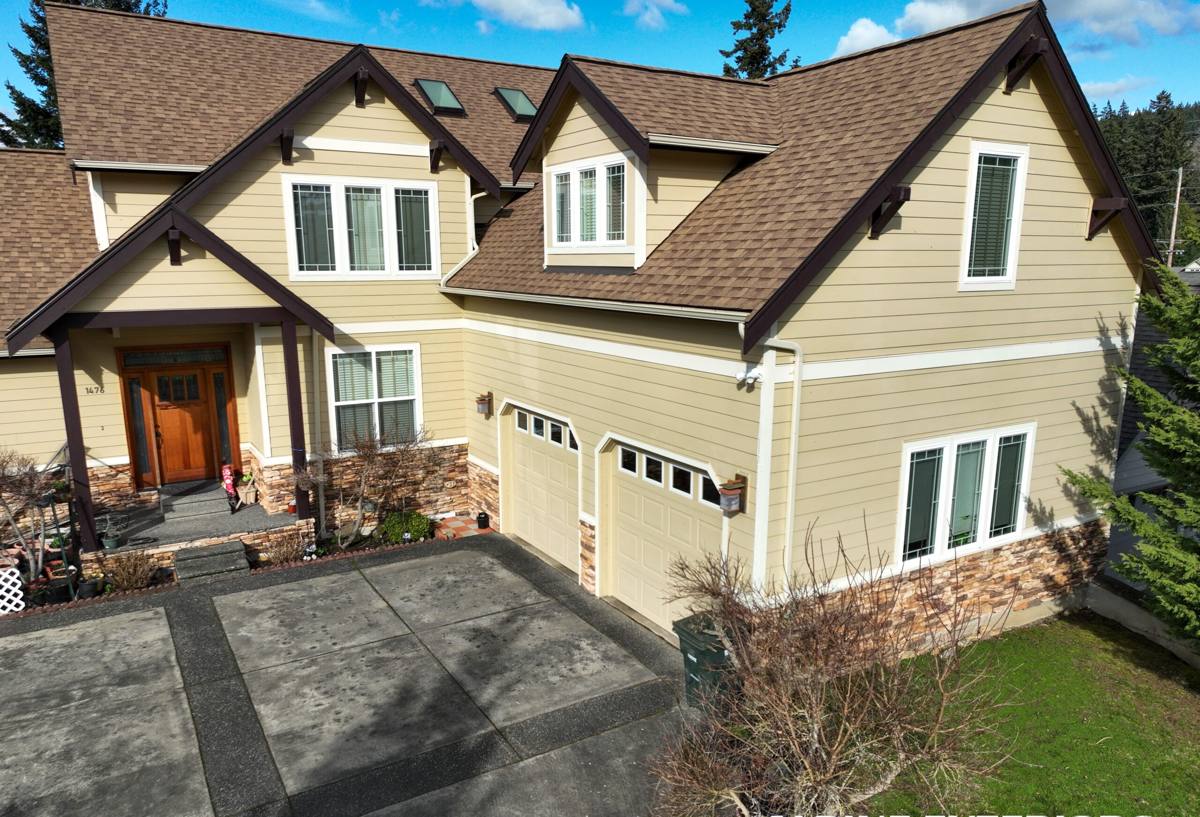
What Correct Siding Installation Actually Involves
Siding installation isn't just cutting boards to length and nailing them to the wall. On a Braden River home, the parts you never see again once the job is done are the parts that determine whether the siding lasts fifteen years or fifty.
Water-Resistive Barrier and Flashing
Every wall needs a continuous water-resistive barrier behind the siding, with flashing integrated at every window, door, roofline intersection, and penetration — not caulk substituting for flashing. Wind-driven rain in a coastal Florida storm doesn't just fall on a wall, it's pushed into it. If the drainage plane behind the siding isn't continuous and properly lapped, water that gets past the surface has nowhere to go but into the sheathing.
Fastening and Clearances
Fiber cement siding has manufacturer-specified fastener types, spacing, and penetration depth, and those specs get more important, not less, in a high-wind zone. Under-fastened or improperly placed nails are a common cause of siding that rattles loose or blows off in storm-force gusts. Clearance from grade, roof lines, and decks also matters — siding installed too close to the ground or to a roof surface stays wet longer and starts to break down from the bottom up.
Joint and Seam Treatment
Butt joints, corners, and trim intersections are where most siding failures start. Factory-primed or factory-finished edges need to be sealed and treated according to the manufacturer's system, not just butted together and caulked over. A crew that treats every joint the same way, on every job, is doing the part of the work that determines whether your siding still looks good a decade from now.
Signs Your Braden River Home's Siding Is Already Failing
Because siding failure in this climate tends to be gradual, it's worth knowing what to look for before a small problem becomes a full replacement:
- Soft or spongy spots when you press on the siding near the bottom edge or below windows
- Visible warping, buckling, or waviness along a wall plane
- Paint that's peeling, bubbling, or chalking heavily in patches rather than evenly
- Gaps opening up at seams, corners, or trim boards
- Discoloration or streaking that keeps returning after cleaning, especially near the roofline
- Visible fastener heads (nail pops) or siding that flexes when you push on it
Any one of these on its own might be minor. Several together, especially on the sides of the house that take the most sun or the most wind-driven rain, usually mean the underlying material or the original installation is past the point of a simple repair.
Why We Install Only James Hardie Fiber Cement
We install James Hardie fiber cement siding exclusively — not vinyl, not LP SmartSide, not primed spruce or cedar, not other fiber cement brands. That's a deliberate standard, not a default. Fiber cement as a category resists the specific things that damage siding in this climate: it doesn't melt or warp under intense summer sun, it's non-combustible, and it holds up to wind-driven moisture far better than wood-based or vinyl products. James Hardie specifically builds climate-engineered product lines (their HZ5 line is formulated for humid, high-moisture climates like Florida's Gulf Coast) and backs installations with a strong transferable warranty when the work is done to their specification.
The ColorPlus factory finish is also part of why we standardized on Hardie. It's baked on under controlled conditions rather than field-applied, which means better fade and color resistance against the UV load this area gets essentially year-round, and it removes on-site painting as a variable in how the finish performs over time.
We're not going to tell you every other siding product is worthless — most have legitimate use cases somewhere. But for what Braden River homes are up against, we won't put our name on an installation using a product we don't think will hold up. Correctly installed Hardie fiber cement is what we're willing to warranty and stand behind.
Our Installation Process, Start to Finish
Every Braden River project follows the same sequence, regardless of the size of the home:
- On-site assessment. We inspect the existing siding, sheathing, and trim to catch any moisture damage or rot that needs to be addressed before new siding goes on — covering damaged sheathing is how small problems become expensive ones.
- Tear-off and substrate check. Old siding comes off and the sheathing underneath gets inspected and repaired as needed. This is the point where hidden water damage, if any, gets found and fixed.
- Water-resistive barrier and flashing installation. A continuous drainage plane goes on first, with flashing detailed at every window, door, and penetration before a single piece of siding is hung.
- Siding installation to manufacturer spec. Boards or panels are installed with the fastening pattern, clearances, and joint treatment James Hardie specifies — the details that determine whether the warranty is actually valid if you ever need it.
- Trim, caulking, and finish work. Corners, trim boards, and seams get finished and sealed properly, and the job site gets cleaned up.
- Final walkthrough. We go over the completed work with you directly rather than just leaving an invoice.
What Affects Your Installation Cost
Every home is different, so we won't quote a number without seeing the house, but these are the factors that typically move an estimate up or down:
| Factor | Why It Matters |
|---|---|
| Extent of existing damage | Rotted or water-damaged sheathing found during tear-off has to be replaced before new siding goes on |
| Home size and wall complexity | More corners, dormers, and roof intersections mean more flashing detail and labor time |
| Siding profile and finish | Lap width, panel style, and ColorPlus finish options carry different material costs |
| Trim and accessory work | Fascia, soffit, and trim replacement alongside siding adds scope but often makes sense to do together |
| Access and site conditions | Height, landscaping, and clearance around the home affect labor time and equipment needs |
The only way to get a real number is a walk-through of your specific home, which is what our estimate visits are for.
Hiring a Crew That Already Works Braden River
Siding installation done wrong doesn't announce itself right away, which is exactly why the contractor you choose matters as much as the product. A crew unfamiliar with what Manatee County's climate and building requirements actually demand can produce a job that looks acceptable at handoff and starts failing within a few storm seasons.
Working this area regularly means we already know the wind and moisture conditions Braden River homes face, we're familiar with local permitting and inspection expectations, and we're not learning fiber cement installation on your house. Before you hire any contractor for siding work, it's worth confirming:
- They carry current Florida contractor licensing and liability insurance
- They're a certified or factory-trained installer for the siding product they're proposing
- They can explain their flashing and water-resistive barrier detailing, not just the visible finish
- They offer a written scope of work and a warranty you can actually read
- They have experience with the wind and moisture conditions specific to this area, not just siding in general
Caring for Your New Siding
James Hardie fiber cement installed correctly is low-maintenance, not maintenance-free. A few habits keep it performing the way it's designed to:
- Rinse the exterior periodically to clear salt residue and airborne debris, especially on sides of the house exposed to prevailing wind
- Keep sprinklers and irrigation from spraying directly on siding, which accelerates staining and mineral buildup
- Inspect caulking at trim and joints yearly and have any cracked or missing sealant redone promptly
- Trim vegetation back from exterior walls to maintain airflow and reduce prolonged moisture contact
- Have storm damage inspected soon after any major wind event, even if nothing looks obviously wrong
Get a Straight Answer on Your Siding
If your Braden River home's siding is showing wear, or you're planning ahead of the next storm season, we're happy to take a look and give you an honest read on what you're working with — no pressure, no inflated urgency. Request a free estimate below and we'll walk the property with you and talk through what correct James Hardie installation would actually look like for your home.