 Bradenton Siding
 Roof Repair Built for the Braden River Area
Homes along the Braden River sit in one of the more tree-shaded, humid pockets of Bradenton, and that combination changes how a roof ages compared to a house out in the open. Overhanging oak and palm canopy means more debris buildup in valleys and gutters, more shaded areas that stay damp longer after a storm, and more chance of a limb coming down on a hip or ridge during a squall. At the same time, this is still Manatee County, Florida — the roof also has to survive full Gulf Coast sun, salt-laden air moving in off Tampa Bay, and the wind-driven rain that comes with our summer storm season and the occasional hurricane threat. A roof repair here has to account for both realities at once, not just one of them.
We work on roofs in this neighborhood regularly, which matters more than it sounds like. Knowing which streets sit lower and hold water longer, which tree cover tends to clog specific roof types, and how the afternoon storm pattern rolls in off the bay changes how we diagnose a leak and what we recommend to fix it for good.
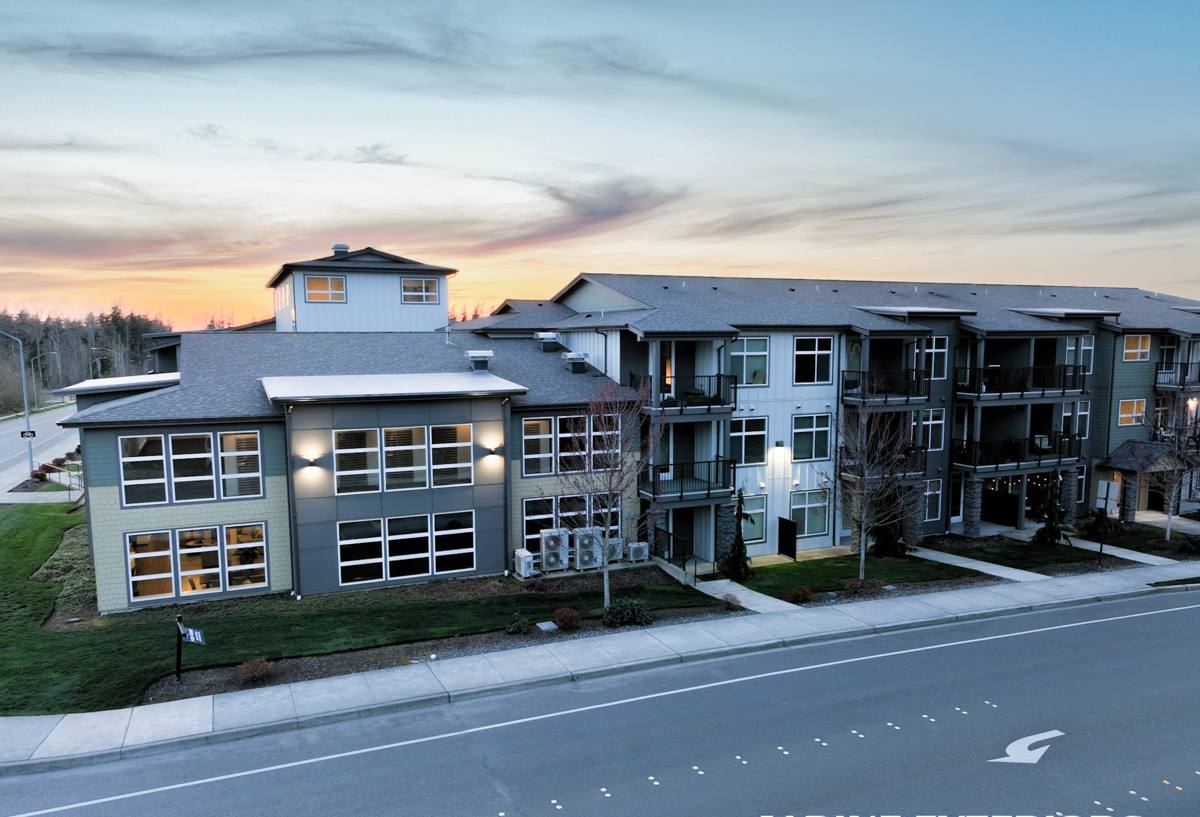
Why Roofs in This Part of Bradenton Wear the Way They Do
Heat and UV
Florida sun is hard on every roofing material, but shingles and flat roofing take the brunt of it. UV exposure breaks down asphalt shingle granules and dries out the mat underneath, while flat and low-slope roofing membranes can blister or crack if they weren't installed with proper attention to ventilation and slope. Years of that cycle is what eventually turns small, fixable issues into full leaks.
Wind-Driven Rain
It's rarely straight-down rain that causes the damage — it's rain pushed sideways under wind pressure during a thunderstorm or tropical system. That kind of rain finds any gap in flashing, any lifted shingle tab, or any degraded pipe boot and drives water up and under the roofing material instead of running off it.
Salt Air
Being close enough to Tampa Bay and the Gulf means metal components — flashing, fasteners, vent stacks, and drip edge — corrode faster here than they would inland. Corroded metal is one of the most common hidden causes of a "mystery leak" that shows up on a ceiling nowhere near where the actual entry point is.
Tree Cover and Debris
The tree canopy that makes Braden River a pleasant place to live also means more organic debris on the roof — leaves, seed pods, and pine needles that hold moisture against shingles and clog valleys and gutters. That trapped moisture accelerates wear and creates the damp conditions that let algae and mold get a foothold.
What a Correct Roof Repair Actually Involves
A repair that actually solves the problem starts with finding the real entry point, not just patching the spot where the ceiling stain appeared. Water travels — it can enter at a flashing seam near the ridge and show up as a stain two rooms away. We trace it back before we touch anything.
- Full roof inspection, not just a look at the reported trouble spot — a leak in one area often means a second weak point is close behind
- Attic and decking check from the inside where accessible, to confirm how far water has traveled and whether the decking itself needs attention
- Identification of the actual entry point — flashing, boot, valley, seam, or wind-lifted material — rather than a surface patch
- Removal and replacement of any compromised decking, felt, or underlayment, not just the visible shingles or membrane
- Matching materials as closely as possible so the repair doesn't stand out or create a weak transition point
- Re-sealing and re-flashing penetrations (vents, stacks, skylights) while we're already in the area
- A final water test or close visual check on flashing and seams before we call it done
Common Roof Repair Calls We See in This Area
| Issue | Typical Cause Here | What Fixing It Right Looks Like |
|---|---|---|
| Ceiling stain after a storm | Wind-driven rain through lifted shingles or failed flashing | Trace the path, replace damaged underlayment/decking, re-flash, not just patch the stain |
| Leak around a vent or skylight | Cracked or corroded pipe boot, dried-out sealant | Replace the boot/flashing component, not just re-caulk over the crack |
| Granule loss / bald patches on shingles | Sun exposure and age accelerated by heat | Assess remaining life; spot-repair if isolated, recommend replacement if widespread |
| Soft or sagging decking | Long-term hidden moisture, often from a slow leak | Cut out and replace affected decking before re-roofing the area |
| Debris-clogged valleys | Tree canopy shedding leaves and pods into valleys | Clear debris, inspect valley flashing underneath for wear |
| Corroded metal flashing or fasteners | Salt air exposure over time | Replace with fresh, properly sealed flashing rather than patching over rust |
Repair vs. Replacement — How We Make That Call
Not every leak means a new roof, and not every roof is worth repairing indefinitely either. We look at a few honest factors before recommending one path over the other:
- Age of the roof — a repair on a roof with several good years left is usually the right call; a repair on a roof already near the end of its expected life may just delay an inevitable full replacement
- How widespread the damage is — one damaged section versus wear showing up across multiple areas of the roof
- Decking condition — soft or rotted decking under a small area can be repaired; widespread decking damage changes the math
- Storm damage scope — isolated wind damage is usually repairable; damage across a large portion of the roof, or damage that compromises the roof's structural integrity, points toward replacement
- Insurance considerations — if storm damage is involved, we document what we find so you have clear information for a claim, without overstating or understating what's actually there
We'll tell you straight if a repair is the smart move or if you'd be better off putting that money toward a replacement instead. A repair that's only going to fail again in a year isn't a favor to anyone.
How Our Process Works
1. Inspection and Diagnosis
We start by finding the actual source of the problem, checking both the roof surface and, where we can get access, the attic side. You get a clear explanation of what's happening and why — not a vague "you need a new roof" without the reasoning behind it.
2. A Straightforward Estimate
You'll get a written scope of what the repair involves and what it costs before any work starts. No pressure, no scare tactics about a roof that's "about to fail" without evidence to back it up.
3. The Repair Itself
We do the work with attention to how it holds up under Gulf Coast conditions specifically — proper flashing technique, correctly sealed penetrations, and materials suited to sun and moisture exposure, not just whatever patches fastest.
4. Cleanup and Final Check
Job site debris — old shingles, nails, packaging — gets cleared out. We do a final look at the repair and surrounding areas before we consider the job finished.
Roof Repair Timing and Florida's Storm Season
Roof problems in Manatee County tend to surface or worsen around the same time every year — during the wet season and hurricane season, roughly June through November, when wind-driven rain and storm activity are highest. A small issue that's easy to fix in the dry months — a lifted shingle tab, a slightly worn boot — becomes a real leak once a summer storm system pushes rain sideways into it. If you've noticed anything off about your roof, a stain, a missing shingle, granules collecting in the gutter, it's worth having it looked at before the next storm rolls through rather than after.
After any significant wind event, it's also worth a roof check even if you haven't noticed a leak yet. Wind can lift and reseat a shingle tab without fully tearing it off, weakening the seal without an obvious visual sign from the ground.
Maintenance That Extends the Life of a Repair
A good repair lasts a lot longer with a small amount of upkeep, especially in a tree-covered area like Braden River:
- Keep gutters and valleys clear of leaves and debris so water actually drains instead of backing up under roofing material
- Trim back tree limbs that overhang or touch the roof, both to reduce debris and to lower the risk of impact damage in wind
- Have the roof looked at after any major storm, even without a visible leak
- Address small issues — a curling shingle, a cracked boot — when they're small, rather than waiting for them to turn into a ceiling stain
Why a Local Crew Matters for This Kind of Work
Roof repair is one of those jobs where local, hands-on experience genuinely changes the outcome. A crew that already works in Bradenton and understands how Braden River's tree cover, drainage, and storm exposure interact with different roofing systems is going to diagnose a leak faster and more accurately than a crew unfamiliar with the area. We're not guessing at how Manatee County's climate affects a roof over time — we see it on roofs like yours on a regular basis.
Being local also means we're accountable and reachable if something needs a follow-up look after a repair, which matters more here than in a lot of places given how often our roofs get tested by weather.
If you've got a leak, storm damage, or just want an honest opinion on your roof's condition, we're happy to take a look. Fill out the form below for a free, no-pressure estimate — we'll tell you exactly what we find and what it would take to fix it right.