 Bradenton Siding
 Roof Replacement for Braden River Homes
Braden River sits in the humid, storm-exposed climate that defines Manatee County roofing — a mix of neighborhoods along and near the river corridor east of downtown Bradenton, ranging from older ranch-style homes to newer construction. Roofs here don't fail because homeowners neglect them. They fail because Florida weather is relentless, and a roof that was installed correctly ten or fifteen years ago is now working against sun, wind, and moisture on borrowed time. When it's time to replace one, the goal isn't just a new roof — it's a roof built to handle what this specific area throws at it.
This page covers what a full roof replacement means for a Braden River property, what our process looks like from first look to final inspection, and why hiring a crew that regularly works in this part of Bradenton matters more than homeowners often realize.
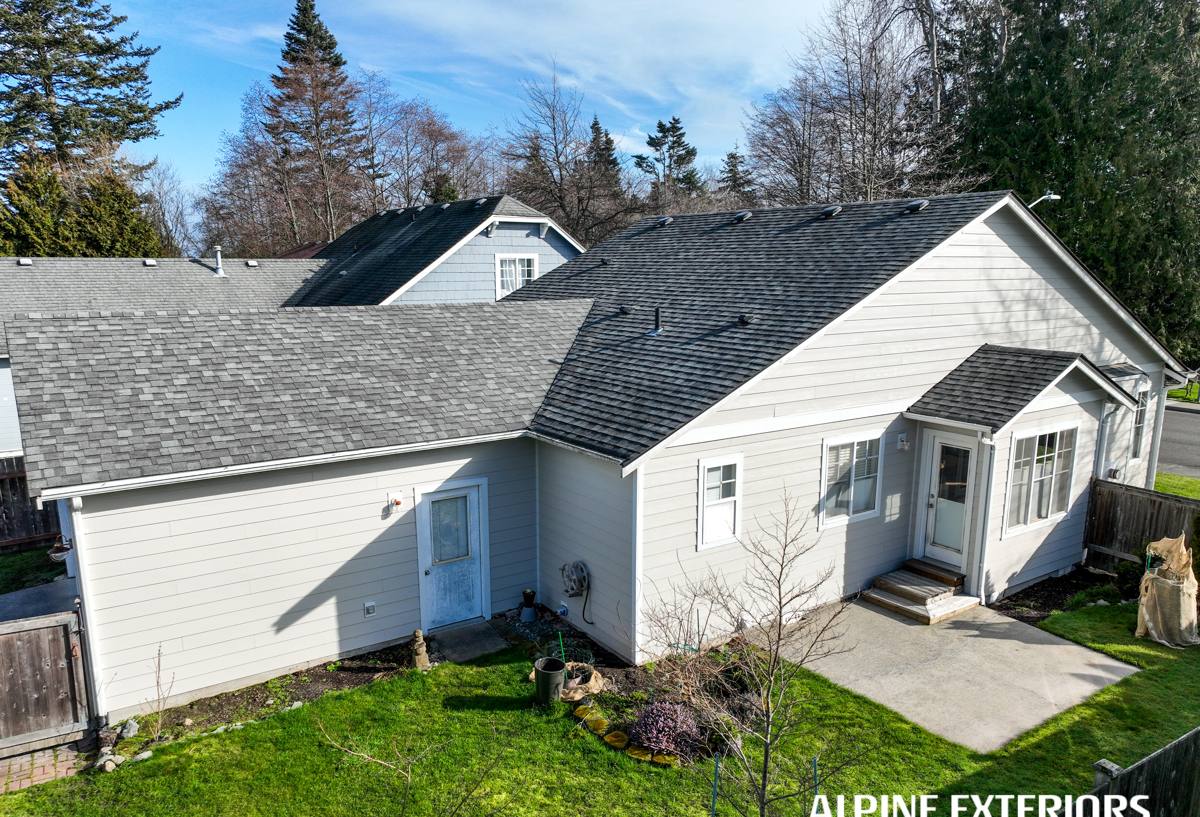
What Bradenton's Climate Actually Does to a Roof
It's easy to think of roof damage as one big event — a hurricane, a falling limb. In reality, most roof failures in this area are the result of years of smaller stresses stacking up. Understanding them helps explain why certain replacement decisions matter more here than they would in a drier, milder climate.
Wind
Manatee County sits well within the range of hurricane-force wind events, and even routine summer storms regularly produce gusts strong enough to lift poorly fastened shingles or loosen ridge caps. Wind doesn't just tear roofs off in a single storm — it works edges and fasteners loose over repeated events until a roof that looked fine suddenly isn't.
UV Exposure
Florida gets intense, close-to-year-round sun. UV breaks down the asphalt oils in shingles, causing granule loss and brittleness well before a roof reaches its rated lifespan. A shingle rated for 25-30 years in a milder climate often performs closer to the low end of that range here, simply because of sun load.
Wind-Driven Rain
Rain that comes in sideways during a storm finds every weak point in a roof system — lifted shingle tabs, under-sealed flashing, gaps around penetrations. Standard installation practices that rely on gravity alone to shed water aren't enough in a region where rain rarely falls straight down during the storms that matter most.
Salt Air
Braden River isn't directly on the coast, but Bradenton's proximity to Tampa Bay and the Gulf means salt-laden air still reaches inland neighborhoods, accelerating corrosion on exposed metal — nail heads, flashing, vents, and fasteners. Corroded fasteners are one of the more common hidden causes of leaks that show up years after installation.
Signs a Braden River Roof Needs Replacing, Not Patching
Not every roof problem calls for a full replacement, but there's a point where repeated repairs stop making financial sense. Here's what typically tips the decision toward replacement rather than another patch:
- Granule loss heavy enough that shingles look patchy or bald in sun-exposed areas
- Multiple past repairs in different areas of the roof, rather than one isolated issue
- Curling, cracking, or cupping shingles, especially on south- and west-facing slopes
- Visible sagging in the roof deck, which can indicate underlying structural moisture damage
- Leaks that reappear in the same general area after being patched
- A roof older than 15-18 years, especially if it's never had a full tear-off replacement
- Missing or lifted shingles after a wind event, particularly if it's happened more than once
If a roof is showing two or more of these signs, patch repairs are usually just delaying an expense that will be larger later — often because water has already reached the decking.
What a Correct Roof Replacement Actually Involves
A roof replacement is more than swapping old shingles for new ones. In a wind- and rain-exposed area like Braden River, the parts of the job that don't show — the deck, the underlayment, the flashing details — matter as much as the surface material.
Tear-Off and Deck Inspection
A full tear-off removes the old roofing system down to the deck, which is the only way to actually assess the condition of the plywood or OSB underneath. Water-damaged or soft decking gets replaced before anything new goes down — covering over compromised decking is one of the most common shortcuts that leads to early failure.
Underlayment and Water Barrier
A quality underlayment system, including sealed or self-adhering membrane at vulnerable areas like eaves, valleys, and penetrations, is what actually keeps a home dry when wind drives rain sideways under shingle tabs. This layer does most of the real waterproofing work — the shingles are the first line of defense, but the underlayment is the backup that matters when that first line gets breached.
Fastening for Wind Resistance
Correct nail count, placement, and pattern — following manufacturer specs and Florida Building Code wind requirements — is what separates a roof that survives a wind event from one that doesn't. This is an area where corners get cut on rushed jobs and it's invisible until a storm tests it.
Flashing and Penetrations
Chimneys, vents, skylights, and wall-to-roof transitions are where the majority of leaks originate on an otherwise sound roof. Properly formed and sealed flashing at every penetration is non-negotiable, not an upsell.
Ventilation
Proper attic ventilation reduces heat buildup that shortens shingle life from underneath, and helps manage the moisture load that Florida humidity puts on a roof system year-round. A replacement is the right time to correct ventilation problems that may have been contributing to premature aging of the old roof.
Choosing a Roofing System for This Area
There's no single "best" roofing material for every home — it depends on budget, roof pitch, HOA rules (relevant in some Braden River-area communities), and how long the homeowner plans to stay in the property. Here's an honest comparison of the main options for this climate:
| Material | Typical Lifespan Here | Wind/Storm Performance | Maintenance |
|---|---|---|---|
| Architectural Asphalt Shingle | 18-25 years | Good, when installed to code with proper fastening | Low; periodic inspection |
| 3-Tab Asphalt Shingle | 12-18 years | Fair; more vulnerable to wind lift than architectural | Low; periodic inspection |
| Metal (Standing Seam) | 40-50+ years | Excellent wind uplift resistance | Very low |
| Tile (Concrete/Clay) | 40-50+ years | Strong when properly fastened; individual tiles can crack from impact | Moderate; underlayment typically needs replacement before the tile itself |
We'll walk through these trade-offs honestly based on the specific roof, budget, and how long the current homeowner expects to own the property — a roof chosen for a 5-year hold looks different than one chosen for a forever home.
Our Roof Replacement Process
1. On-Site Assessment
We inspect the current roof, the attic space where accessible, and the general condition of the deck to understand what's actually going on before recommending anything.
2. Straightforward Proposal
A clear scope of work and pricing, with material options explained in plain terms — no pressure tactics, no scare language about damage that isn't there.
3. Permitting
Roof replacements in Manatee County require a permit, and we handle that process as part of the job, including any inspections required along the way.
4. Tear-Off and Deck Repair
Complete removal of the old roofing system, with any compromised decking identified and replaced before the new system goes on.
5. Installation
Underlayment, flashing, and the roofing material installed to manufacturer specification and Florida Building Code wind requirements — the details that determine how the roof performs in the next storm, not just how it looks the day it's finished.
6. Cleanup and Final Walkthrough
Full site cleanup, including a magnetic sweep for nails, followed by a walkthrough so the homeowner understands exactly what was done.
Why It Matters to Hire a Crew That Works This Area
Roofing crews that regularly work Bradenton and the Braden River area understand things a crew unfamiliar with the region might not — how local wind exposure varies by lot and tree cover, what Manatee County's permitting and inspection process actually requires, and how humidity and salt air affect material choices and fastener selection over time. That familiarity shows up in fewer surprises during the job and a roof that's built for the conditions it will actually face, not generic conditions.
It also matters for accountability. A contractor with an established local presence is one you can reach five or ten years down the line if a warranty question comes up — not a storm-chasing crew that worked the area for a season after a hurricane and then moved on.
A Few Cost Factors Worth Understanding
Every roof is different, and we won't quote a number without seeing the roof, but a few factors consistently drive cost up or down on Braden River-area homes:
- Roof size and number of squares (100 sq ft units) to be covered
- Roof pitch and complexity — steep roofs and roofs with many valleys or dormers cost more to work on
- Number of layers currently on the roof (removing multiple old layers adds labor)
- Deck condition and how much replacement plywood or OSB is needed
- Material choice, from standard architectural shingle up through metal or tile
- Access — tree cover, fencing, and how equipment can reach the roof
We break these out clearly in any proposal so there's no ambiguity about what's driving the price.
Get a Straightforward Estimate
If your Braden River home's roof is aging, showing storm damage, or you're simply not sure whether it needs repair or full replacement, we're glad to take a look. The estimate is free, there's no pressure, and you'll get a straight answer about what your roof actually needs — use the form below to get started.