 Bradenton Siding
 Storm Damage Roof Repair for Braden River Homes
Braden River is one of those parts of Bradenton where the roofs work harder than most people realize. The neighborhoods along and near the river tend to have mature tree canopy, a mix of older established homes and newer construction, and enough proximity to open water that wind and moisture are a constant factor rather than an occasional one. When a storm rolls through Manatee County, roofs here take the hit from more than one direction at once — wind, rain, and whatever the tree canopy decides to drop on top of it.
This page is specifically about storm damage roof repair for homes in and around Braden River — not a general roofing overview. If you've had a storm come through and you're not sure whether what you're looking at is cosmetic or a real problem, this is what we'd want you to know before you call anyone, including us.
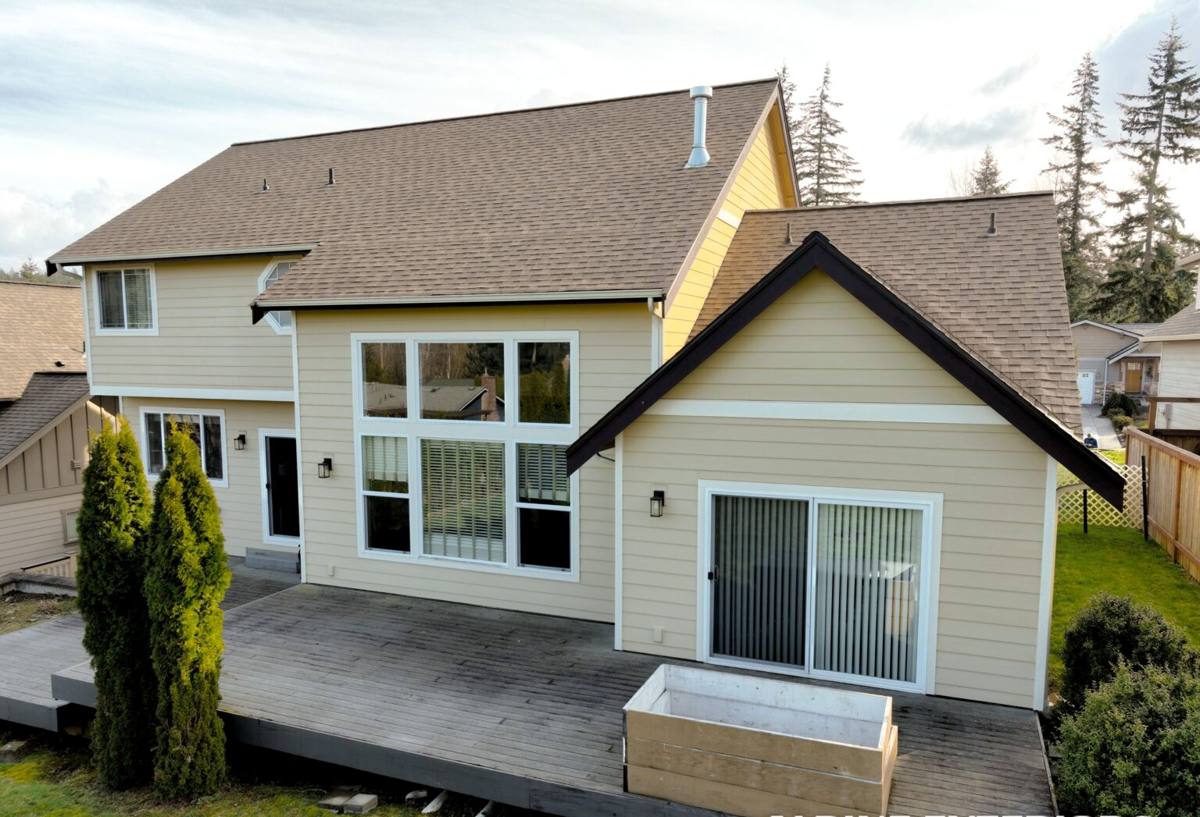
What Manatee County Weather Does to a Braden River Roof
Every roof in this area is dealing with the same basic climate stresses, but Braden River's tree cover and riverfront proximity change how those stresses show up.
Hurricane and Tropical Storm Winds
Wind doesn't just push on a roof — it lifts. Shingles and tiles are rated for a certain wind speed, but that rating assumes the roof edges, fasteners, and underlying deck are all in good condition. Once a storm gets under one lifted shingle or a cracked tile, wind pressure works that opening wider with every gust. Braden River's tree canopy adds a second wind problem: limbs and debris become projectiles, and even a moderate gust can drop a heavy branch straight through a weakened section of roof.
Year-Round UV and Heat
Florida sun bakes roofing material even on days with no storm at all. UV exposure dries out asphalt shingles, makes underlayment brittle, and shortens the working life of sealants around flashing and penetrations. A roof that's already UV-fatigued has much less flex left in it when storm winds and rain show up, which is why storm damage often looks worse on an older, sun-worn roof than on a newer one that took the same storm.
Wind-Driven Rain
Rain that falls straight down mostly runs off. Rain that's being driven sideways by 50-70 mph gusts finds every gap — lifted shingle edges, worn flashing, old nail penetrations — and pushes water uphill and sideways under the roof covering. This is the type of damage that's hardest to see from the ground and easiest to underestimate, because the exterior can look mostly fine while the decking underneath is already wet.
Salt Air and Humidity
Braden River's proximity to the water means metal fasteners, flashing, and vents corrode faster than they would further inland. Corroded fasteners lose their grip strength, which means a roof that seemed properly attached can fail at wind speeds it should have handled. Humidity also feeds the moss and algae growth that's common under the shade of mature trees along the river corridor — not a structural issue by itself, but a sign that moisture is sitting on the roof longer than it should.
What a Correct Storm Damage Repair Actually Involves
A storm damage repair that's done right is not just "replace the shingles that are obviously missing." That approach leaves the underlying problem in place and often fails again in the next storm. Here's what a full repair should actually cover.
A Full Inspection, Not Just the Visible Damage
We check the whole roof plane, not just the spot the homeowner points to. Wind damage is frequently worse at ridges, hips, and edges than in the middle of a roof slope, and a single missing shingle is often a sign that its neighbors are also loose even if they haven't blown off yet.
Decking and Structural Check
If wind-driven rain got underneath the roof covering, the plywood or wood plank decking underneath may be wet, soft, or delaminating. Any legitimate repair includes checking the decking from the attic side where possible, and replacing any section that's been compromised — patching over wet decking just traps moisture and leads to rot.
Underlayment and Flashing Renewal
The underlayment is the actual waterproof layer under the visible roofing material — the shingles or tiles are the first line of defense, but the underlayment is what actually keeps water out if that first line is breached. Storm repairs should replace underlayment in the affected area, not just re-lay the same material over old, UV-degraded felt or synthetic underlayment. Flashing around chimneys, vents, and roof-to-wall transitions gets the same treatment, since flashing failure is one of the most common sources of leaks that show up long after a storm has passed.
Matching Materials
Where shingles or tiles need to be replaced, we work to match the existing roofing as closely as possible in color and profile. Exact matches aren't always available if the roof is older, and we'll tell you honestly when that's the case rather than promising a seamless match we can't deliver.
Common Types of Storm Damage We See in Braden River
| Damage Type | What Causes It | What It Looks Like | Why It Matters |
|---|---|---|---|
| Wind uplift | Sustained gusts catching a shingle or tile edge | Missing, cracked, or curled shingles, especially at ridges and edges | Exposes underlayment directly to sun and rain |
| Limb and debris impact | Tree canopy shedding branches in high wind | Punctures, cracked tiles, dented metal, localized soft spots | Can create a direct entry point for water |
| Wind-driven rain intrusion | Sideways rain forced under roofing edges and flashing | Interior water stains, musty attic smell, wet insulation | Often invisible from the ground until it reaches the ceiling |
| Flashing failure | Sealant breakdown from UV and salt air over time | Leaks at chimneys, skylights, and roof-to-wall joints | Common cause of "mystery leaks" unrelated to the shingle field |
| Fastener corrosion | Salt-laden humid air near the river | Rust streaks, loosened shingles with no visible cause | Reduces wind resistance even when the roof looks intact |
Our Process, From Call to Completion
Inspection and Documentation
We walk the roof and the attic, photograph what we find, and give you a plain-English explanation of what's damaged, what's just cosmetic, and what needs attention now versus what can be monitored. If we don't think a full repair is warranted, we'll say so.
Insurance Coordination
If you're filing a homeowner's insurance claim for storm damage, our documentation is built to support that process — dated photos, a clear description of the damage mechanism (wind, impact, or water), and a written scope of work. We work alongside your adjuster's process; we don't promise claim outcomes, since that decision belongs to your insurer.
The Repair Itself
Once the scope is agreed on, we tarp or dry-in any exposed areas first if there's active leak risk, then move to the actual repair: decking replacement where needed, new underlayment and flashing, and matched roofing material installed to the same standard as the surrounding roof.
Final Walkthrough
We go over the completed repair with you before we consider the job done, including photos of anything that was replaced under the surface that you wouldn't otherwise see.
Repair or Full Replacement? Cost Factors to Weigh
Not every storm-damaged roof needs full replacement, and not every roof can be responsibly patched. These are the factors that actually drive that decision.
| Factor | Favors Repair | Favors Replacement |
|---|---|---|
| Roof age | Well within its expected service life | Already near or past typical lifespan for its material |
| Extent of damage | Isolated to one section or slope | Spread across multiple planes or the whole roof |
| Decking condition | Dry, solid decking under the damaged area | Widespread soft spots or rot found during inspection |
| Material availability | Matching shingles or tiles still available | Discontinued material forcing a mismatched patch |
| Prior repair history | First significant storm event on this roof | Roof has been patched multiple times already |
We'll walk you through where your roof falls on these factors honestly. A repair that's the right call for a five-year-old roof may not make sense on one that's already near the end of its service life.
Checklist: Signs Your Roof Needs Storm Damage Repair Now
- Missing, cracked, or curled shingles, especially along ridges, hips, or edges
- Granules collecting in gutters or at downspout outlets after a storm
- Visible dents or cracks from limb or debris impact
- Water stains on interior ceilings or upper walls following heavy rain
- A musty smell in the attic, which can indicate trapped moisture
- Daylight visible through the roof deck from inside the attic
- Flashing that's separated, rusted, or pulling away from chimneys or walls
- Sagging in any section of the roofline
If you're seeing more than one of these, it's worth having the roof looked at before the next storm, not after.
Why a Crew That Already Works Braden River Matters
Storm damage repair isn't just a technical skill — it's a judgment call about what a specific roof, in a specific climate, actually needs. A crew that regularly works Braden River knows how the tree canopy along the river tends to shed limbs in different wind directions, how salt air near the water accelerates fastener and flashing wear compared to homes further inland, and how the UV load in this part of Florida ages roofing material year-round, not just during hurricane season. That familiarity means a faster, more accurate read on your roof instead of a generic assessment that doesn't account for where you actually live.
It also matters after the storm has passed. Local crews aren't juggling travel time from across the state when you need someone back out for a follow-up check, and we're not disappearing once the invoice is paid — we live and work in this area, and our reputation here depends on doing the job right the first time.
If your Braden River home has storm damage, or you just want an honest opinion on a roof that's starting to show its age, we're glad to come take a look. The estimate is free, there's no pressure to sign anything on the spot, and you can use our findings however you'd like — including for an insurance claim. Fill out the form below and we'll get in touch to schedule a time.