 Bradenton Siding
 Windows Built for the Braden River Climate
Homes along and near the Braden River deal with a specific mix of weather stress that doesn't let up. Hurricane-force winds during storm season, intense UV exposure nearly year-round, wind-driven rain that finds every gap in a poor seal, and salt-laden air drifting in off the Gulf and Sarasota Bay all work against ordinary windows. In Manatee County, "good enough" window installation isn't good enough for long. A window that's installed correctly the first time is one of the few upgrades that protects a home's interior, lowers cooling costs, and holds up through hurricane season after hurricane season.
This page is specifically about window installation for Braden River homes — not a general overview. If you're weighing whether to repair, replace, or upgrade the windows on a home in this area, here's what actually matters.
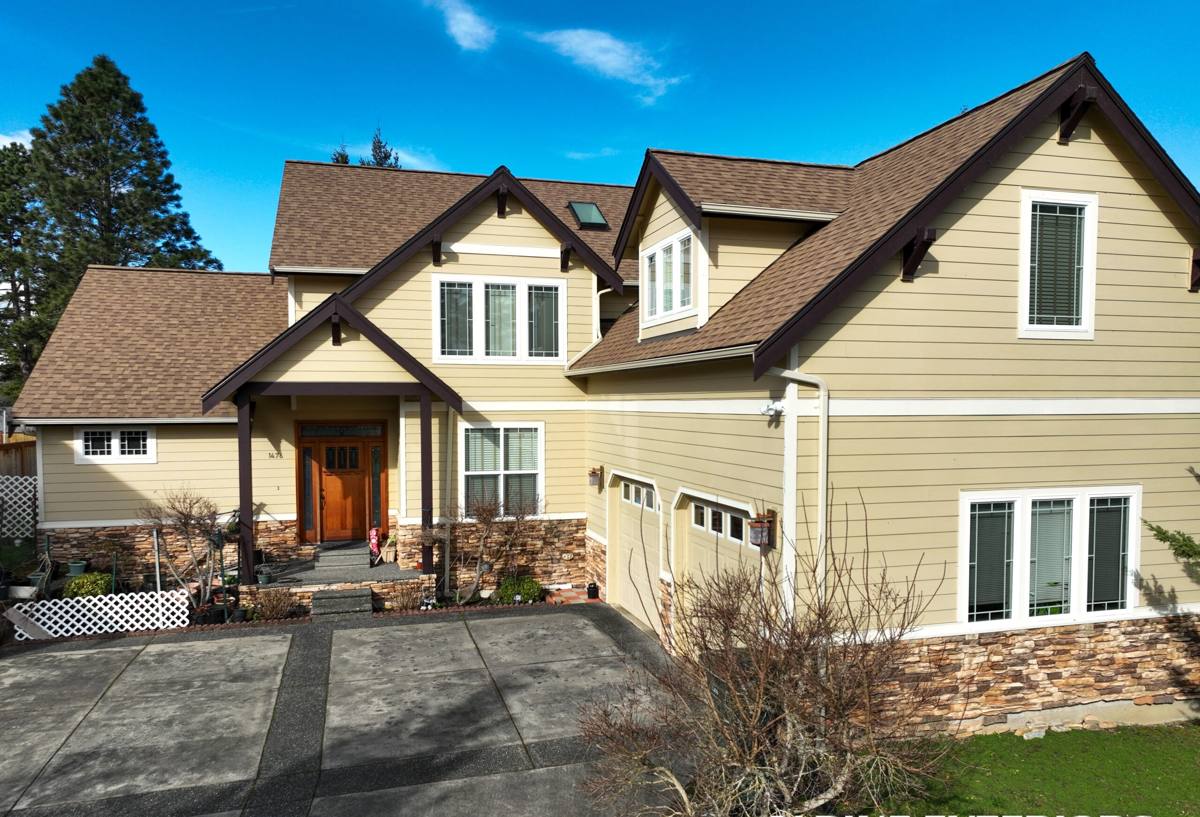
What Braden River's Climate Does to Windows Over Time
Heat and UV
Bradenton sees strong sun exposure most of the year. UV breaks down window seals, weather stripping, and vinyl components faster than in milder climates. Older windows with degraded seals let conditioned air escape, which shows up as higher cooling bills long before a homeowner notices a visible problem.
Humidity and Wind-Driven Rain
Proximity to the river and the surrounding waterways keeps humidity levels high. When wind-driven rain hits a window during a storm, any weakness in the flashing or sealant becomes a path for water intrusion — not just around the glass, but behind the frame and into the wall cavity where it's much harder to catch early.
Storm Winds and Wind-Borne Debris
Manatee County sits within Florida's wind-borne debris region, meaning homes here are expected to meet code requirements for protecting openings during high wind events. Windows that aren't rated or protected for this become the weak point in an otherwise solid home — a failed window during a storm can lead to pressurization damage well beyond the opening itself.
Salt Air
Even for homes that aren't directly waterfront, salt-laden air moves inland from the coast and settles on window frames and hardware. Over time this accelerates corrosion on lower-quality metal components and hardware, which is why frame material and hardware quality matter as much as the glass itself.
Signs Your Windows Need Attention
Before assuming a full replacement is necessary, it helps to know what to actually look for:
- Fogging or moisture trapped between panes of double-pane glass — a sign the seal has failed
- Windows that are difficult to open, close, or lock, or that stick in humid weather
- Noticeable drafts or a whistling sound during windy conditions
- Visible rot, warping, or soft spots in the surrounding frame or sill
- Corrosion on hinges, cranks, or locking hardware
- Condensation forming on the inside of the glass regularly
- A steady rise in cooling costs without a clear cause elsewhere in the home
- Peeling paint or discoloration on interior trim near the window, suggesting slow water intrusion
Any one of these can be minor on its own. Several together usually mean the window assembly — not just the glass — is failing.
What a Correct Window Installation Actually Involves
Window installation quality is determined far more by what happens in the wall opening than by the window product itself. A premium window installed poorly will underperform a mid-range window installed correctly.
Opening Prep and Structural Check
Before a new window goes in, the rough opening needs to be checked for square, level, and soundness. Any rot, prior water damage, or out-of-square framing has to be addressed first — installing a new window into a compromised opening just hides the problem temporarily.
Flashing and Weatherproofing
Proper flashing directs water away from the opening and down the wall's drainage plane instead of into it. This step is invisible once the job is finished, which is exactly why it's the step most often rushed by crews trying to move fast. It's also the step most responsible for whether a window leaks five years down the road.
Sealing and Insulation
Gaps around the frame need to be insulated and sealed with the right materials — not overpacked with expanding foam, which can bow the frame and affect operation, and not left with air gaps that undercut energy performance.
Fastening to Meet Wind Load Requirements
Impact-rated and code-compliant windows are only as strong as their installation. Fastener type, spacing, and anchoring into structurally sound framing all have to match the window's engineering specifications for the wind load rating to mean anything in practice.
Impact-Rated Windows vs. Standard Windows With Shutters
Homeowners in this area generally choose between two approaches to storm protection: impact-rated windows, or standard windows paired with separate shutter protection. Both can meet code when installed correctly — the right choice depends on budget, how the home is used, and personal preference.
| Factor | Impact-Rated Windows | Standard Windows + Shutters |
|---|---|---|
| Storm protection | Built into the window; no action needed before a storm | Requires shutters to be installed or deployed before the storm arrives |
| Daily UV and noise reduction | Laminated glass reduces UV transmission and outside noise year-round | No daily benefit; protection only during shutter use |
| Upfront cost | Higher per window | Lower window cost, but added shutter cost |
| Maintenance | Minimal; frame and seals need periodic inspection | Shutters need maintenance, storage, and functional tracks or hardware |
| Insurance considerations | May help with wind mitigation credits — confirm specifics with your insurer | Shutters can also qualify depending on type — confirm with your insurer |
| Appearance | Clean, unobstructed look at all times | Exterior appearance changes when shutters are deployed |
Neither option is objectively "better" in every case — it's a tradeoff between upfront investment and ongoing convenience. We'll walk through both honestly based on your home and budget rather than pushing one option by default.
Our Window Installation Process
- On-site assessment. We inspect existing window openings, framing condition, and any signs of past water intrusion before recommending anything.
- Product selection. We go over frame material, glass options, and impact ratings based on your home's exposure and your budget — no pressure toward the most expensive option.
- Accurate measurement. Openings are measured precisely; older homes in particular often have openings that aren't perfectly square or standard-sized.
- Permitting. Window replacement in Manatee County typically requires a permit and inspection. We handle this as part of the job rather than leaving it to the homeowner.
- Removal and opening prep. Old windows are removed carefully, and the opening is inspected and repaired as needed before the new unit goes in.
- Installation. Windows are set, shimmed, flashed, sealed, and fastened to meet the manufacturer's and code's structural requirements.
- Interior and exterior finish work. Trim, caulking, and finish details are completed so the installation looks clean inside and out.
- Final inspection. We confirm proper operation, sealing, and code compliance before considering the job complete.
What Affects the Cost of Window Installation
Every home is different, so exact pricing depends on the specifics of your project. These are the main factors that move the number up or down:
| Cost Factor | Why It Matters |
|---|---|
| Number and size of windows | Larger openings and higher window counts increase material and labor |
| Frame material | Vinyl, aluminum, and fiberglass differ in upfront cost, durability, and maintenance needs |
| Glass package | Impact-rated laminated glass costs more than standard glass but eliminates the need for separate shutters |
| Opening condition | Rot, water damage, or out-of-square framing found during removal adds repair time |
| Permit and engineering requirements | Larger or structural openings may need engineering documentation to meet Manatee County code |
| Access and story height | Second-story or hard-to-access windows require additional labor and equipment |
We provide a written estimate that breaks these factors down for your specific home rather than a vague ballpark, so you know what you're paying for before work starts.
Permits and Code Compliance for Braden River Homes
Window installation in Bradenton and unincorporated Manatee County generally requires a building permit and a final inspection, since windows are part of the home's structural and wind-resistance envelope. This applies whether you're replacing a single window or doing a whole-house upgrade. Skipping the permit process might save time upfront, but it creates real problems at resale and can affect insurance claims if a window fails during a storm. We pull the required permits and schedule inspections as a standard part of the job — it's not an upcharge, it's how the work should be done.
Why Local Experience in Braden River Matters
A crew that already works in this area understands the mix of home ages and construction styles here — from older homes that have settled and shifted over the decades to newer builds with different framing standards. That familiarity shortens the assessment phase, avoids surprises during removal, and means the permitting process with Manatee County goes smoothly because it's not the first time we've been through it. It also means we're not guessing about how the local climate — the humidity, the UV, the storm exposure — should shape our recommendations. We're working with the same conditions your home deals with every day.
Get a Free, No-Pressure Estimate
If your Braden River home has windows that are showing their age, letting in drafts, or simply weren't installed correctly the first time, we're happy to take a look and give you a straightforward assessment. Fill out the form below to schedule a free estimate — no pressure, no obligation, just an honest look at what your home actually needs.