 Bradenton Siding
 Why Decks in Braden River Wear Out Faster Than the Owner's Manual Says
Every deck comes with a manufacturer's expectation of how long it should last, and almost none of those numbers account for what a deck in Braden River actually goes through in a year. Manatee County sun is intense and constant, not seasonal — UV exposure runs almost year-round instead of tapering off in winter the way it does in other parts of the country. That kind of sustained exposure breaks down wood fibers, dries out sealants, and fades or chalks composite surfaces faster than the same product would wear in a milder climate.
Add wind-driven rain from summer storms and the occasional hurricane-strength system, and you get a second problem layered on top of sun damage: water finding its way into joints, fastener holes, and ledger connections that were never fully sealed to begin with. Because Braden River sits close to the water, salt-laden air is also a factor, especially for any metal hardware, fasteners, or railing systems that weren't rated for a coastal environment. None of this means a deck here can't last — it means the repair work has to be matched to these specific stresses, not to a generic checklist.
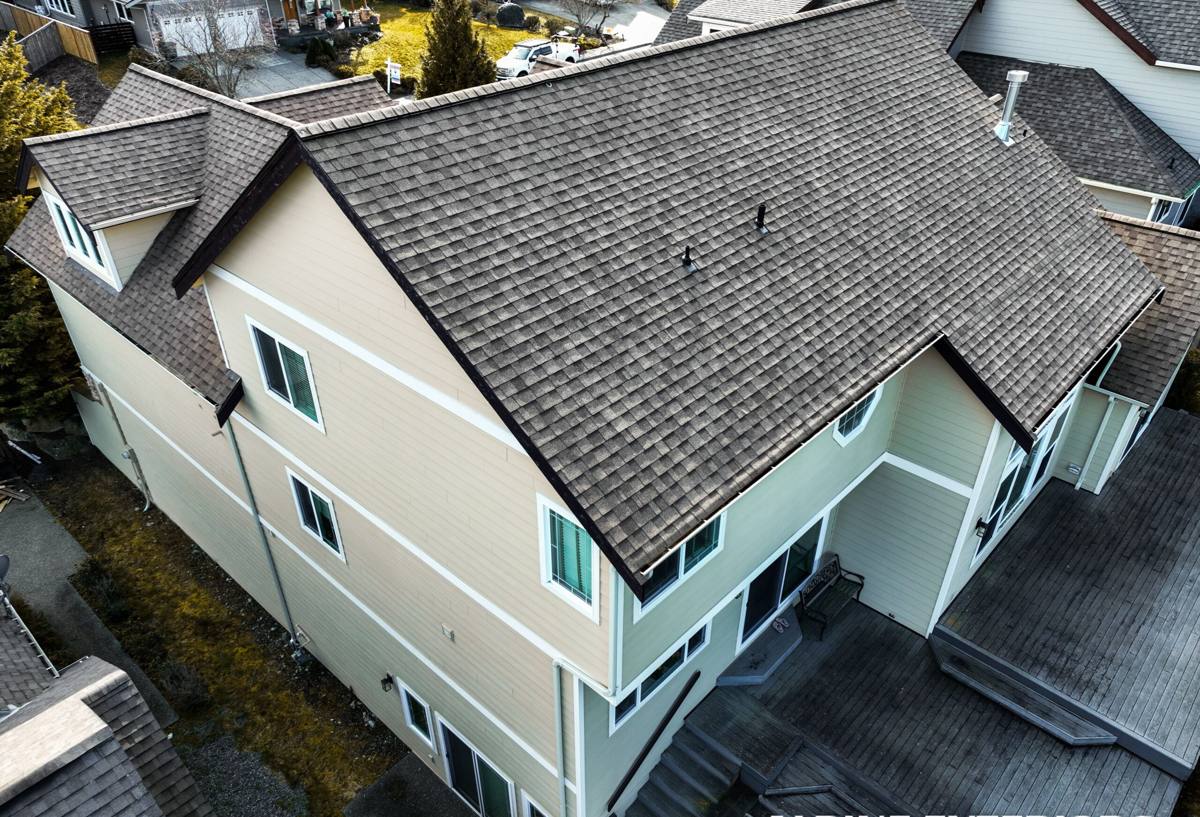
Signs a Braden River Deck Needs Repair
Most deck failures don't happen all at once. They show up as small warning signs first, and catching them early is almost always cheaper than waiting for a full section to fail.
- Boards that feel soft, spongy, or spring underfoot when you walk across them
- Visible cupping, cracking, or splintering on the top surface of wood decking
- Rust streaks running down from screw heads or bolt connections
- A railing or post that wiggles more than it did a year ago
- Gaps opening up where the deck ledger meets the house
- Discoloration or a musty smell near the framing underneath the deck
- Nails backing out or popping above the board surface
- Stairs that feel less solid than the rest of the structure
Any one of these on its own might be a minor fix. Several at once usually means moisture has been working on the structure for a while and it's worth a full inspection before it's just a cosmetic job.
What a Correct Deck Repair Actually Involves
The Structure Underneath
The framing, joists, and ledger board are what actually hold a deck up, and they're also the part homeowners see the least. A repair that only replaces top boards while ignoring soft or rotted framing underneath is a repair that will need to be redone within a couple of years. We check the ledger connection to the house first, since that's the single point most likely to let water in behind the deck and rot the rim joist it's attached to.
Decking Boards and Surface Material
Whether the deck is wood or composite, individual boards get evaluated one at a time. Some can be sanded, resealed, or spot-repaired; others need to come out entirely. Mixing old and new boards is sometimes the right call and sometimes not — it depends on how far the existing material has faded or weathered, and whether a visible patch job is acceptable to the homeowner.
Fasteners and Hardware
This is where a lot of quick, cheap deck repairs fall short in a coastal climate. Standard fasteners that aren't rated for exterior or coastal exposure will rust and stain the surrounding wood within a season or two near Braden River's air. We use fasteners and structural hardware rated for exterior and coastal-adjacent use, because replacing a board is wasted work if the screws holding it down start failing again in a year.
Railings and Guards
Railings take constant hand pressure and lateral wind load, and loose railing posts are one of the more common safety issues we find on older decks. Any repair that touches a railing system gets checked for proper post anchoring, not just cosmetic tightening.
Wood vs. Composite: Repair Considerations
The right repair approach depends heavily on what the deck is built from. Both materials can be repaired well; they just fail differently and need different attention.
| Factor | Wood Decking | Composite Decking |
|---|---|---|
| Common failure mode | Rot, splintering, cupping from moisture cycling | Fading, surface chalking, occasional swelling at cut edges |
| Repair approach | Sand, reseal, or replace individual boards | Replace affected boards; sealing doesn't apply the same way |
| Fastener sensitivity | Moderate — needs coated or coastal-rated fasteners | Higher — some composites react to the wrong fastener type |
| UV resilience | Lower without regular resealing | Generally higher, but color fade still occurs over years |
| Typical repair frequency | More frequent spot maintenance | Less frequent, but replacement boards can be costlier |
Neither material is maintenance-free in this climate. Wood needs a resealing schedule to keep ahead of UV and rain damage; composite needs less upkeep but isn't immune to fading or edge damage where boards are cut and exposed.
Our Deck Repair Process
1. On-Site Inspection
We walk the full deck, not just the area the homeowner flagged. That includes checking under the deck where access allows, testing the ledger connection, and probing any boards that look questionable. A problem in one corner often points to a moisture source affecting a wider area.
2. Honest Scope of Work
We tell homeowners plainly what's structural versus cosmetic, and what can wait versus what shouldn't. If a repair is genuinely all that's needed, we won't push a full rebuild — and if the structure is too far gone for a patch to hold, we'll say that too.
3. The Repair Itself
Damaged framing gets replaced or reinforced before any surface work happens. Boards are replaced or restored, hardware is upgraded where it's undersized or corroded for the environment, and railings are re-secured to solid framing, not just to the old post holes.
4. Weather Protection Before We Leave
Any exposed wood gets sealed or finished before the job is called done. Leaving fresh cuts or new boards unprotected against Manatee County sun and rain defeats the purpose of the repair.
Cost Factors in Deck Repair
Deck repair costs vary a lot based on scope, and it's worth understanding what actually drives the number up or down rather than looking for a flat price that doesn't apply to every job.
| Factor | Impact on Cost |
|---|---|
| Extent of structural (framing/ledger) damage | Largest driver — hidden rot raises cost once uncovered |
| Number of boards needing replacement | Scales roughly with square footage affected |
| Material match (wood species or composite line) | Sourcing an exact match can add cost vs. a full board swap |
| Railing and stair involvement | Adds labor due to load-bearing and code requirements |
| Access and deck height | Second-story or hard-to-access decks take more labor time |
We give a straightforward range after the inspection, not before — quoting a repair without seeing the framing usually means the number changes once we start, which isn't fair to the homeowner.
Permits and Local Code Considerations
Structural deck repairs, especially anything involving the ledger connection, footings, or railing systems, can fall under Manatee County permitting requirements depending on scope. Simple board replacement usually doesn't trigger a permit, but reframing or altering the structure often does. We handle that determination as part of the scoping process so homeowners aren't caught off guard partway through a project.
Why a Crew That Already Works Braden River Matters
Deck repair done right isn't about knowing decks in general — it's about knowing how decks behave in this specific combination of sun, humidity, storm exposure, and salt air. A crew that's worked in and around Braden River already knows which fastener grades hold up, which framing details tend to fail first in this environment, and how to sequence a repair around Florida's rain patterns so new work isn't exposed and undone before it's sealed. That local pattern recognition is the difference between a repair that lasts and one that becomes a recurring project.
It also means a faster, more accurate inspection. Instead of guessing at what a coastal Florida deck typically needs, a local crew is checking against what they've already seen fail — and what's held up — on decks just like it nearby.
Get a Straightforward Estimate
If your Braden River deck has soft spots, loose railings, or just isn't holding up the way it used to, we're happy to take a look and give you an honest read on what it actually needs. The estimate is free, there's no pressure to move forward, and you'll get a clear answer about whether you're looking at a repair or something bigger — use the form below to get started.