 Bradenton Siding
 Roofing in Parrish: A Different Set of Demands
Parrish sits in a part of Manatee County that gets the full weather package: long stretches of intense summer sun, sudden tropical downpours that come in sideways on a gulf breeze, and the standing threat of a hurricane every storm season. None of that is unique to Parrish, but the combination adds up faster here than it does for roofs further inland. A roof replacement in this area isn't just a cosmetic upgrade — it's the single biggest thing you can do to protect the rest of the house from wind, water, and heat damage for the next few decades.
This page covers what actually matters for a roof replacement on a Parrish home: how the local climate shortens roof life, what a properly done tear-off and reinstall looks like, how to think about material choices, and why working with a crew that already knows this area's permitting and wind code saves you headaches later.
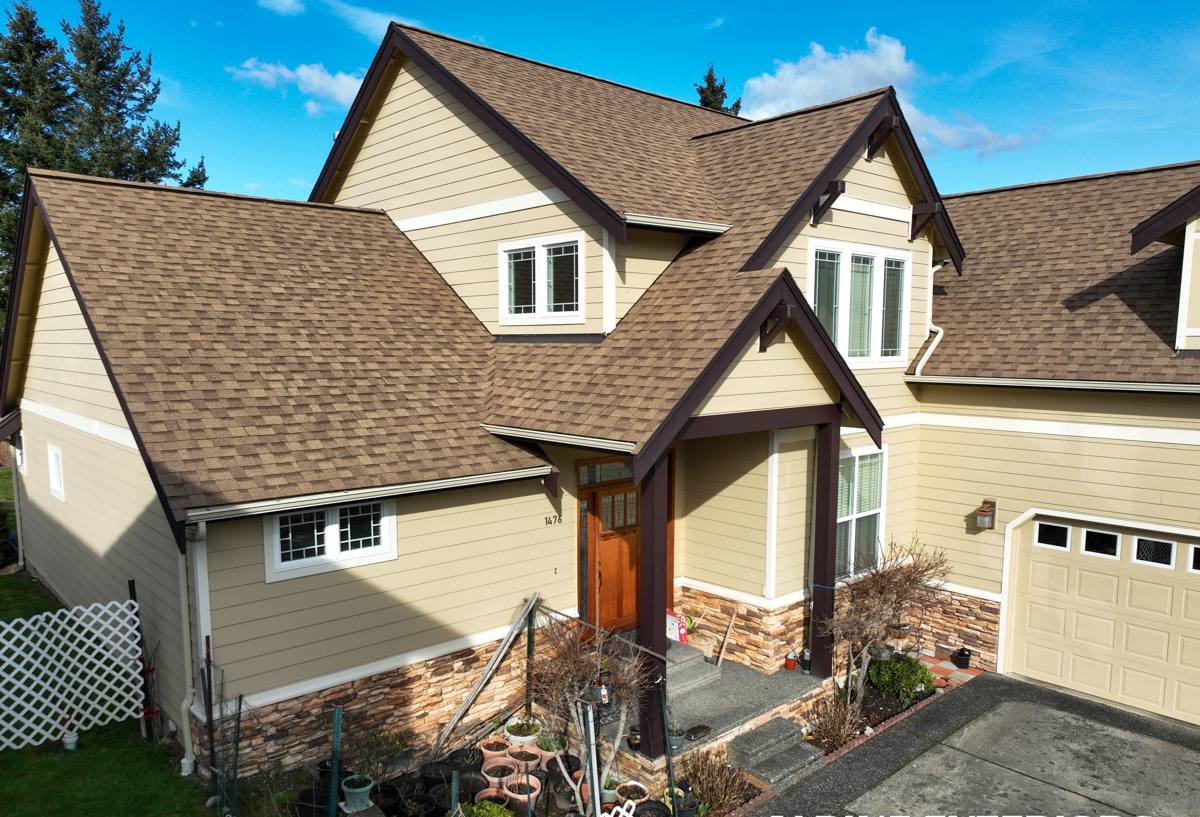
Why Roofs in This Area Wear Out Faster
Sun and Heat
Florida sun is relentless on roofing materials year-round, not just in summer. UV exposure breaks down asphalt shingle granules and dries out the asphalt binder underneath, which is why a shingle roof in Bradenton and the surrounding Manatee County communities often shows granule loss and brittleness well before it hits the tail end of its rated lifespan.
Wind-Driven Rain
It's rarely just rain that causes damage — it's rain pushed sideways under shingle edges, flashing laps, and vent boots by sustained wind. Once wind-driven rain finds a gap, it doesn't take a hurricane to cause water intrusion; a string of ordinary summer storms can do it over a few seasons if the roof's underlayment and flashing details aren't right.
Hurricane-Force Wind
Even homes that never take a direct hit still get repeated exposure to tropical-storm-force gusts most seasons. That cyclical stress loosens fasteners, lifts shingle tabs, and fatigues seams over time — damage that's often invisible from the ground until a bigger storm finds the weak point.
Salt Air
Parrish isn't beachfront, but salt-laden air still moves inland across this part of the Gulf Coast. Salt accelerates corrosion on exposed metal — flashing, nail heads, vent stacks, and fasteners — which is why metal component quality and fastener choice matter more here than in drier, inland climates.
Signs a Roof Replacement Is Overdue
Repairs make sense for isolated problems. A full replacement becomes the smarter call when the damage is spread across the roof or the underlying materials are failing, not just the surface. Common signs we look for on Parrish homes include:
- Granule loss heavy enough that shingles look patchy, faded, or "bald" in large areas
- Curling, cupping, or cracked shingles, especially on south- and west-facing slopes
- Soft spots or visible sagging when walking the roof deck
- Repeated leaks in different locations after storms, rather than one consistent spot
- Missing or lifted shingles after wind events, even minor ones
- Rusted or deteriorating flashing around chimneys, skylights, and roof-wall intersections
- Daylight visible through the roof deck from the attic, or damp, musty attic insulation
- A roof nearing or past its material's typical service life, especially if the original installation predates current Florida wind code
What a Correct Roof Replacement Actually Involves
A roof replacement is more than stripping old shingles and nailing down new ones. In a climate like this one, the details underneath the visible surface are what determine whether the roof holds up through the next decade of storms.
Full Tear-Off, Not an Overlay
We remove the existing roofing material down to the deck rather than layering new shingles over old. An overlay hides problems instead of fixing them and traps moisture between layers — it also voids most manufacturer warranties on the new material.
Deck Inspection and Repair
Once the deck is exposed, we check every section for rot, delamination, or soft spots from prior leaks. Damaged decking gets replaced before anything new goes down — skipping this step is one of the most common shortcuts that leads to early failure.
Underlayment Built for Wind-Driven Rain
A synthetic or self-adhering underlayment system, properly lapped and fastened, is what actually keeps wind-driven rain out when a shingle tab lifts in a storm. This layer matters more here than in drier climates precisely because of how often this area sees sideways rain.
Flashing Done Right
Chimneys, skylights, sidewalls, and valleys fail more often at the flashing than anywhere else on the roof. Correct step flashing, counter-flashing, and valley treatment — not just caulk — is what keeps these transition points watertight for the long run.
Ventilation That Matches the Attic
Proper intake and exhaust ventilation keeps attic temperatures and moisture in check, which protects the new roofing from the underside and helps keep energy bills down in a climate where the attic can get brutally hot. We size ventilation to the specific attic, not a one-size-fits-all vent count.
Fastening to Current Wind Code
Manatee County follows Florida's high-velocity and wind-borne debris provisions in the building code, which specify nailing patterns, fastener types, and in some cases sealed or enhanced roofing systems. We install to meet or exceed those requirements, not the minimum that happened to be code when an older roof went on.
Comparing Roofing Materials for a Parrish Home
| Material | Typical Lifespan | Wind Performance | Maintenance | Best Fit |
|---|---|---|---|---|
| Architectural asphalt shingle | 20–30 years | Strong when properly nailed and rated for high wind | Low; periodic inspection | Most homes wanting a balance of cost and durability |
| 3-tab asphalt shingle | 15–20 years | Lower wind rating than architectural shingle | Low | Budget-driven replacements; less common as a first choice today |
| Concrete or clay tile | 30–50+ years | Excellent when fastened and underlaid correctly | Occasional cracked-tile replacement | Homes wanting a longer-term, heavier roofing system |
| Standing seam metal | 40–50+ years | Very strong; fewer components exposed to wind uplift | Low; watch fastener condition near coast | Owners planning to stay long-term and minimize future roof work |
None of these is a "wrong" choice — the right one depends on how long you plan to own the home, your budget, and how the roof pitch and structure suit each material. We'll walk through the honest trade-offs for your specific roof rather than pushing one product line.
Our Roof Replacement Process
- On-site inspection — we walk the roof and attic, document existing damage, and check deck condition where accessible.
- Straightforward proposal — material options, scope of work, and what's included, explained in plain terms.
- Permitting — we pull the required Manatee County roofing permit and schedule inspections; this isn't optional and it protects you if there's ever an insurance question later.
- Tear-off and deck check — old material removed, deck inspected and repaired as needed before anything new is installed.
- Underlayment, flashing, and ventilation — the parts that don't show but do the real work of keeping wind-driven rain out.
- Final roofing installation — installed to current wind code fastening requirements.
- Cleanup and magnetic sweep — job site cleared of debris and stray nails before we call it done.
- Final walkthrough and permit closeout — we review the finished roof with you and close out the county inspection.
Permits, Wind Mitigation, and Insurance
A roof replacement in Manatee County requires a permit, and the completed work has to pass county inspection before it's closed out. Skipping this step — or hiring someone who does — can cause real problems down the line: unpermitted roof work can complicate a future home sale, and it can give an insurer grounds to deny a claim later.
A new roof is also the point where it makes sense to have a wind mitigation inspection done. That inspection documents features like the roof covering, roof deck attachment, and roof-to-wall connections, and it's frequently the difference between a standard homeowners insurance premium and a meaningfully lower one in this part of Florida. We build the roof to qualify for the best documentation possible; the inspection itself is typically arranged through a licensed wind mitigation inspector or your insurance agent.
Why a Crew That Already Works Parrish Matters
Roofing crews that only pass through an area occasionally tend to miss the local specifics that a full-time local crew already knows cold: which Manatee County inspectors are checking for what, how HOA architectural guidelines in various Parrish communities handle roofing color and material approvals, and how to schedule around this area's afternoon storm patterns so a torn-off roof isn't left exposed overnight.
There's also the simple matter of being reachable. If a storm rolls through and a tarp needs checking, or a question comes up mid-project, a crew based in and around Bradenton can be back on-site the same day — not scheduled in from out of the area a week later.
After the Replacement: Keeping It in Good Shape
A correctly installed roof still benefits from basic upkeep, especially in a climate that stresses roofing materials this consistently. A simple maintenance routine goes a long way:
- Have the roof visually inspected after any major storm, even if nothing looks obviously wrong
- Keep gutters and valleys clear of leaves and debris so water sheds properly
- Trim back overhanging tree limbs that can abrade shingles or drop debris in wind
- Check attic ventilation isn't blocked by insulation or storage
- Address small flashing or sealant issues promptly, before wind-driven rain turns them into a leak
- Schedule a professional roof check every couple of years, not just when a problem shows up
What Affects the Cost of a Roof Replacement
Every roof is different, and we'd rather give you an honest number from an actual inspection than a guess that doesn't hold up. The main factors that move the price on a Parrish roof replacement are the total roof area and pitch, how many layers of old roofing need to come off, the amount of deck repair required once we're under the old material, the material you choose, and the complexity of the roofline itself — valleys, dormers, chimneys, and skylights all add labor and flashing work. We'll break all of this down clearly in a written estimate so you know exactly what you're paying for and why.
If your roof is showing its age or you just want an honest read on where it stands, we're glad to come take a look. The estimate is free, there's no pressure to move forward, and you'll get a straight answer about what your roof actually needs — use the form below to get started.