 Bradenton Siding
 Parrish Sits Right in the Path of Florida's Toughest Siding Conditions
Parrish has grown fast over the past decade, and a lot of that growth is newer construction with siding that hasn't yet been tested by a real Gulf Coast storm season. Whether your home has vinyl, an older fiber cement product, or wood-based siding nearing the end of its life, the exterior cladding on a Manatee County home works harder than siding almost anywhere else in the country. Between the intense year-round UV, the humidity, the wind-driven rain that comes with our summer storm pattern, and the salt-laden air pushing inland from Tampa Bay and the Gulf, the wrong siding choice shows its weaknesses fast. The right one, installed correctly, is one of the few exterior upgrades that genuinely protects the house behind it for decades.
This page covers what fiber cement siding installation actually involves for a home in Parrish, why we only install James Hardie products, and what to expect if you're considering new siding here.
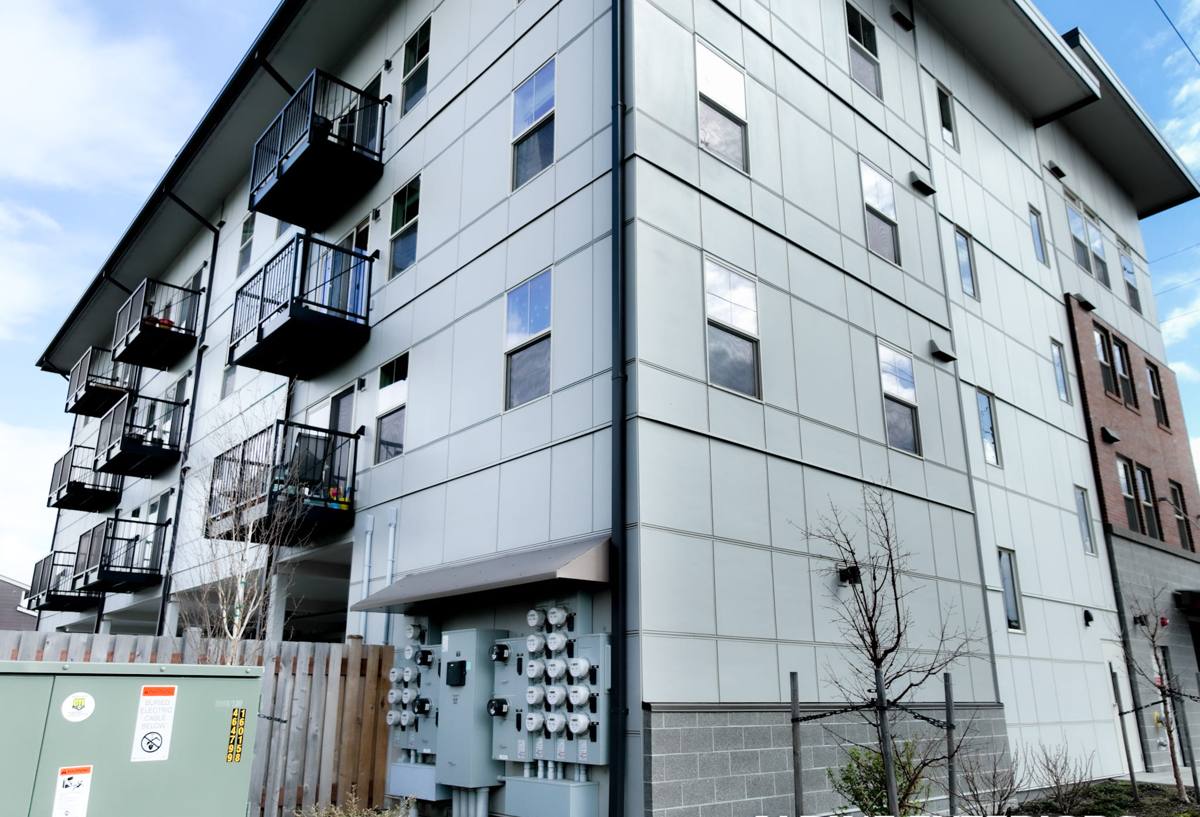
What This Climate Does to Siding Over Time
Sun and Heat
Florida sun is relentless. Siding facing south and west in Parrish takes direct, high-intensity UV exposure most of the year, plus the surface heat that comes with it. Products that rely on paint film or thin factory coatings tend to fade unevenly, chalk, or blister well before their expected service life is up. Fiber cement resists this kind of heat cycling far better than wood-based or vinyl alternatives, but the finish system still matters — which is a big part of why we're particular about it.
Wind-Driven Rain
Afternoon storms here don't just fall straight down — wind pushes rain sideways into wall assemblies, especially during the tropical systems that pass through the region most years. Siding that isn't flashed, lapped, and sealed correctly at every penetration, corner, and butt joint lets water behind the cladding. Once moisture gets into the wall assembly, the damage is often hidden until it's serious: rot in sheathing, mold, and failed insulation.
Salt Air
Parrish isn't beachfront, but it's close enough to Tampa Bay and the Gulf that salt-laden air still reaches homes here, especially on breezy days. Salt accelerates corrosion of exposed metal fasteners and trim, and it degrades certain coatings and adhesives faster than inland climates would. Materials and fastening hardware need to be chosen with that in mind, not just picked because they're cheapest.
Hurricane-Force Wind
Manatee County sits in a wind zone where siding has to be engineered and installed to hold under real storm loads, not just fair-weather conditions. Fastener spacing, nailing patterns, and manufacturer wind-rating requirements aren't optional details — they're the difference between siding that stays on the house during a bad storm and siding that peels off in sheets.
Why We Install Only James Hardie Fiber Cement
We install one siding system: James Hardie fiber cement. We don't offer vinyl, LP SmartSide, Cemplank, Allura, or primed wood siding, and that's a deliberate standard, not a lack of options.
- Non-combustible material — fiber cement doesn't feed a fire the way wood-based siding products can.
- ColorPlus factory finish — a baked-on finish applied under controlled conditions, which holds color and resists fading and chipping far better than field-applied paint.
- Climate-engineered product lines — Hardie manufactures versions of its siding specifically formulated for humid, moisture-heavy climates like ours, rather than a single one-size-fits-all product for the whole country.
- Strong transferable warranty — backed by a manufacturer with decades in the fiber cement category and enough scale to stand behind it.
- Proven long-term performance — when installed to Hardie's specifications, the product has a long track record in exactly this kind of climate.
We're not going to tell you every alternative product is worthless — vinyl is inexpensive and easy to install, and engineered wood siding has a warmer look some homeowners want. But vinyl can deform in extreme heat and offers little impact resistance, and wood-based products depend heavily on maintaining an intact factory coating to keep moisture out over time. In a climate that stresses siding this consistently, we'd rather stand behind one system we trust completely than offer several we have reservations about.
What a Correct Fiber Cement Installation Actually Involves
Fiber cement siding is only as good as the installation behind it. The material itself is durable, but most siding failures we get called out to inspect trace back to installation shortcuts, not the product. A correct job includes:
| Detail | Why It Matters in Parrish |
|---|---|
| Weather-resistive barrier behind the siding | Provides a secondary drainage plane if wind-driven rain gets past the siding surface |
| Proper flashing at windows, doors, and roof lines | Directs water away from the wall assembly instead of trapping it |
| Correct fastener type, spacing, and penetration depth | Holds siding secure under hurricane-force wind loads and resists salt-air corrosion |
| Manufacturer-specified clearances from grade, roof, and decks | Keeps siding out of standing water and constant moisture contact |
| Correctly caulked and sealed joints, using compatible sealants | Prevents the small gaps that let humidity and rain work into the wall over time |
| Painted or factory-finished cut edges | Protects exposed edges from moisture absorption at every seam and corner |
Skipping any one of these doesn't usually cause an immediate, visible problem — it causes a slow one that shows up years later as rot, staining, or siding that starts separating from the wall. That's exactly why installation quality matters as much as the product choice.
Our Process for Parrish Homeowners
- On-site inspection — we look at your current siding, the condition of the sheathing and trim underneath where accessible, and any problem areas specific to your home's exposure.
- Product and color selection — we walk you through Hardie's plank profiles, textures, and ColorPlus palette so the finished look fits your home and the neighborhood.
- Detailed estimate — a clear, itemized scope so you know exactly what's being done, not a vague number.
- Prep and tear-off — removal of failing siding, inspection and repair of any damaged sheathing found underneath, and installation of a proper weather-resistive barrier.
- Installation to manufacturer spec — flashing, fastening, and sealing done to James Hardie's published installation requirements for our wind and climate zone.
- Final walkthrough — we go over the finished work with you before we consider the job done.
Cost Factors for Fiber Cement Siding in Parrish
Every home is different, so we don't quote pricing sight unseen — but these are the main factors that move the number up or down:
| Factor | Effect on Cost |
|---|---|
| Home size and wall complexity | More square footage and more corners, gables, and trim detail add labor |
| Condition of existing sheathing | Rot repair discovered during tear-off adds cost but should never be skipped |
| Siding profile and texture | Lap width and texture (smooth vs. woodgrain) affect material pricing |
| Trim and accessory scope | Fascia, soffit, and trim replacement done alongside siding adds to the total but often saves a second mobilization later |
| Height and access | Two-story sections and difficult access require more equipment and time |
We'll give you an honest range once we've actually seen the home — broad ballpark numbers without an inspection tend to be either misleading or padded.
Signs Your Parrish Home May Need New Siding Soon
- Visible warping, buckling, or separation at seams and corners
- Soft or spongy spots when you press on the siding, especially near the bottom courses
- Persistent staining or dark streaking that doesn't wash off
- Peeling, chalking, or fading paint that keeps coming back after repainting
- Cracked or missing sections after storm season
- Rising energy bills that suggest the wall assembly is no longer insulating or sealing properly
None of these alone means you need a full replacement, but more than one at once is usually a sign the siding is past the point where patching makes sense.
Why Hiring a Crew That Already Works in Parrish Matters
Siding installed correctly for a milder climate isn't automatically correct for Manatee County. A crew that regularly works this area already knows the wind-load requirements that apply here, how to detail flashing for our rain patterns, and what fastener and sealant choices hold up against salt air rather than degrading in a few years. That local, repeated experience is what keeps a callback from turning into a real problem — and it's a different level of familiarity than a crew installing siding here for the first time.
Working locally also means being available if a warranty question or a storm-related concern comes up after the job is finished, instead of homeowners trying to track down a contractor that only passed through for one project.
Caring for Hardie Siding After Installation
One of the practical advantages of fiber cement is how little ongoing maintenance it needs compared to wood-based products. A periodic rinse to clear salt residue and pollen, prompt attention to any caulking that shows wear at joints, and keeping mulch and landscaping from holding moisture against the bottom courses will keep the siding performing the way it's designed to for years. There's no repainting cycle to manage the way there is with wood siding, since the ColorPlus finish is factory-applied and warrantied separately from the substrate.
If you're weighing your options for siding in Parrish, we're happy to take a look at your home, answer questions honestly — including about products we don't install — and put together a straightforward, no-pressure estimate. Reach out using the form below to get started.