 Bradenton Siding
 Decks in Parrish Take a Different Kind of Beating
Parrish sits inland from the coast but still gets the full weather package that defines this part of Manatee County: long stretches of intense summer sun, sudden afternoon thunderstorms, humidity that never really lets up, and the occasional direct hit from a tropical system or hurricane-force wind event. A deck built for a milder climate simply doesn't hold up here the way homeowners expect it to. Wood fibers swell and shrink with every wet-dry cycle, fasteners corrode faster in the heat and moisture, and UV exposure breaks down finishes and sealants far quicker than in northern states.
Add in the newer neighborhoods and larger lots common around Parrish, where decks are often bigger, more exposed to open sun, and sometimes newer construction that wasn't built with enough attention to ventilation or flashing details, and you get a specific set of repair problems that show up again and again. Understanding those patterns is the first step to fixing a deck correctly instead of just patching what's visible.
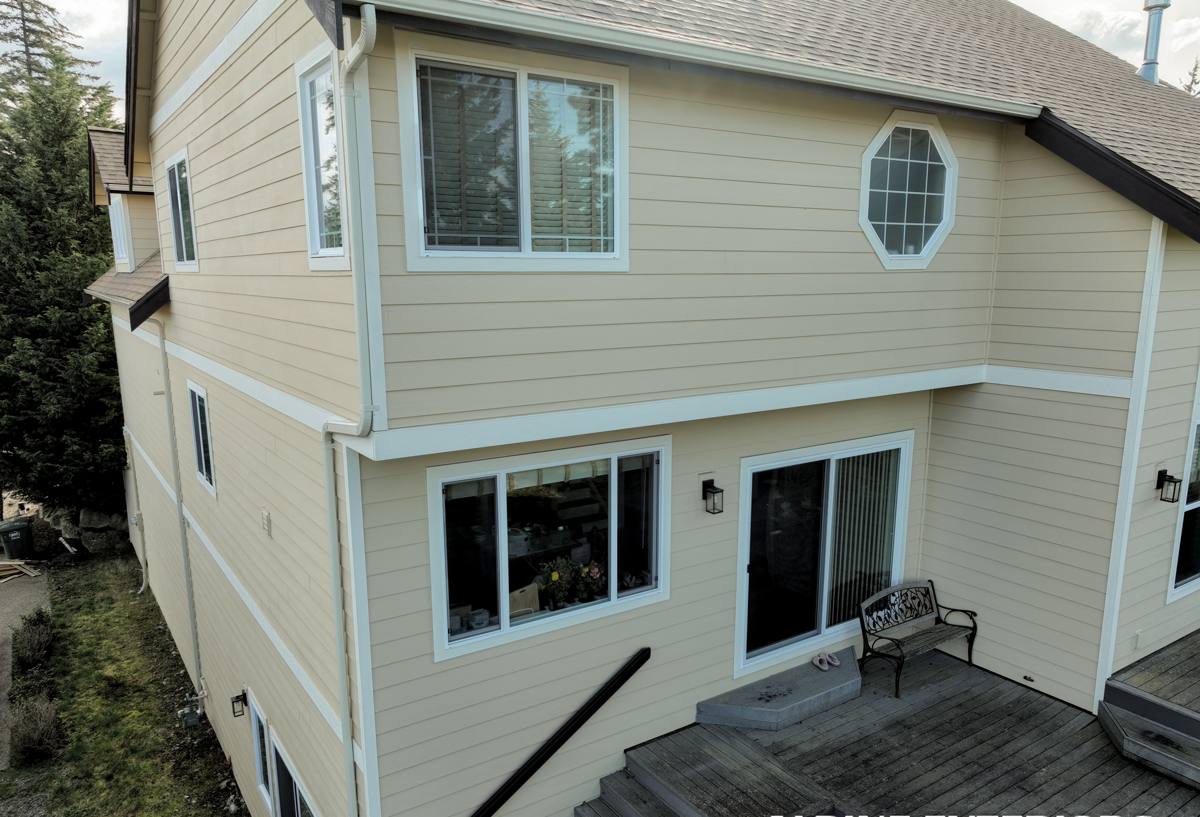
What Actually Damages a Deck Around Parrish
Moisture and Wood Rot
Florida's humidity keeps wood decks damp far longer after a rain than drier climates do. Combined with poor airflow underneath low-clearance decks, this creates ideal conditions for rot, especially at ledger boards, post bases, and anywhere two pieces of wood sit tight against each other and trap water. By the time rot is visible on the surface, it has often been working underneath for a season or more.
Wind and Storm Stress
Hurricane-force winds don't just rip off loose boards. They rack the whole structure, loosening joist hangers, working screws and nails free, and stressing connections between the deck and the house. A deck can look intact after a storm and still have compromised fasteners or a ledger board pulling away from the framing.
UV Breakdown
Year-round sun exposure fades and dries out wood fibers, breaks down sealants, and makes composite and PVC decking more brittle over time if it isn't a UV-stabilized product to begin with. Boards that were fine three summers ago can become splintery, chalky, or prone to cracking without any single dramatic event causing it.
Salt Air Corrosion
Even away from the immediate coastline, salt-laden air moves inland across this region and accelerates corrosion of nails, screws, and metal hardware. Corroded fasteners are one of the most common hidden causes of a deck that feels "spongy" or slightly loose even when the boards themselves look fine.
Signs Your Parrish Deck Needs Repair, Not Just Cosmetic Work
- Boards that flex, bounce, or feel soft underfoot
- Visible gaps or separation where the deck meets the house
- Rust streaks around fasteners or hardware
- Railings or posts that wiggle when pushed
- Soft, discolored, or crumbling wood, especially near ground contact or under planters
- Stairs that feel uneven or have developed a slight lean
- A musty smell coming from underneath the deck
- Nails backing out or popping above the board surface
Any one of these on its own might be minor. Several together usually mean the structure needs a real inspection, not just a pressure wash and a fresh coat of stain.
What a Correct Deck Repair Involves
A repair that's done right starts below the surface, not with the boards you can see. We look at the structural bones first: ledger board attachment, joist condition, post bases, and footings, because a deck is only as sound as what's holding it up. Surface boards get replaced or refastened after that structural work is confirmed solid, not before.
Structural Inspection
We check every ledger connection, joist, beam, and post for rot, corrosion, and movement. In Parrish, ledger boards are a common trouble spot because that's where the deck meets the house, and it's a joint that's constantly exposed to water runoff and thermal movement.
Fastener and Hardware Review
Corroded or undersized hardware gets replaced with fasteners rated for this climate. This matters more here than in drier regions, since standard hardware corrodes faster with humidity and salt air in the mix.
Board Replacement
Damaged or worn boards are replaced individually where possible, matching spacing and fastening pattern so the repair blends into the existing deck rather than looking like a patch job.
Railing and Stair Repair
Loose railings and uneven stairs are safety issues, not cosmetic ones. We re-secure posts to structural framing, not just to the surface decking, since that's often why a railing loosens again within a year of a quick fix.
Sealing and Finish Work
Once structural and surface repairs are complete, we address the sealant or finish that protects the wood or composite from UV and moisture going forward. Skipping this step is one of the main reasons a repaired deck fails again within a couple of seasons.
Our Process for Parrish Deck Repairs
- On-site inspection. We walk the full deck, check underneath where accessible, and test framing and connections rather than just looking at the surface.
- Written scope and honest recommendation. We tell you what actually needs repair versus what's cosmetic, and we explain the reasoning so you're not guessing.
- Repair, not just replacement of what's visible. We fix the structural cause of a problem, not only the symptom you noticed.
- Final walkthrough. We check the deck for flex, level, and secure hardware before considering the job done.
Repair Approach by Deck Material
| Material | Common Issue in This Climate | Typical Repair Approach |
|---|---|---|
| Pressure-treated wood | Rot at ledger, fastener corrosion, UV graying | Selective board replacement, hardware upgrade, refinishing |
| Cedar or other natural wood | Splitting, UV fading, moisture cupping | Sanding and refinishing, spot replacement of damaged boards |
| Composite decking | Fading, surface wear, occasional board-end swelling if cut edges weren't sealed | Board swap using matched product, hardware and fascia check |
| PVC/vinyl decking | Generally more UV and moisture resistant, but can crack if impact-damaged | Panel or board replacement, connection point inspection |
We don't push one decking material as a universal fix. Each has real trade-offs in maintenance, appearance, and how it behaves in heat and humidity, and the right repair material depends on what's already on your deck and what you want to maintain long term.
Cost Factors Worth Understanding Before You Call
Every deck repair is different, but a few factors consistently drive the scope and cost of a job:
- Extent of structural damage versus surface-only wear
- Accessibility underneath the deck for framing repairs
- Whether ledger board or house connection work is needed
- Material match availability for partial board replacement
- Size of the deck and number of railings or stairs involved
We'd rather give you an honest range after actually seeing the deck than a number over the phone that doesn't hold up once we're on site. Broadly, minor board and railing repairs are a much smaller job than anything involving ledger board or framing replacement, and we'll always tell you which category your deck falls into before starting work.
Why Hiring a Crew That Already Works in Parrish Matters
Deck problems here follow patterns tied directly to this region's weather, and a crew that repairs decks across Manatee County day in and day out recognizes those patterns quickly instead of guessing. We know which connection points fail first under wind-driven rain, how quickly untreated hardware corrodes in this humidity, and what it takes for a repair to actually hold up through the next hurricane season instead of needing redone. That local pattern recognition is the difference between a repair that lasts and one that's really just a delay before the next call.
We also understand that a deck is often central to how a Parrish home actually gets used, for cookouts, evenings outside once the heat breaks, or just extra living space. A repair that's slow, sloppy, or leaves the deck unusable for weeks isn't acceptable, and we plan our work to minimize that disruption.
Maintaining Your Deck After Repair
A good repair buys you time, but ongoing care extends it. A few habits go a long way in this climate:
- Rinse off debris and pollen buildup periodically so moisture doesn't sit trapped against boards
- Check railings and stair connections for looseness at least once a year, especially after storm season
- Reapply sealant or finish on wood decks on the schedule recommended for the product, since UV exposure here shortens the usual interval
- Keep gutters and downspouts clear so runoff isn't draining directly onto or under the deck
- Trim back vegetation that keeps deck boards shaded and damp longer than necessary
If your deck in Parrish is showing wear, storm damage, or just doesn't feel as solid as it used to, we're glad to take a look and give you a straightforward, no-pressure estimate. Use the form below to get started.