 Bradenton Siding
 Metal Roofing Built for Parrish's Climate
Parrish sits inland from Tampa Bay in Manatee County, but "inland" doesn't mean sheltered. Homes here still take the full brunt of Gulf Coast weather: tropical storm and hurricane-force winds that test every fastener on a roof, sun exposure strong enough to break down lesser roofing materials year-round, and humid, salt-laced air that drifts in off the coast and settles into anything not built to resist corrosion. A roof that works fine in a drier, calmer climate often struggles here within a decade. Metal roofing, installed correctly, is one of the few systems that genuinely holds up to all three stresses at once.
We install metal roofing on Parrish homes with that reality in mind — not as a generic product swap, but as a system matched to what this specific area throws at a roof year after year.
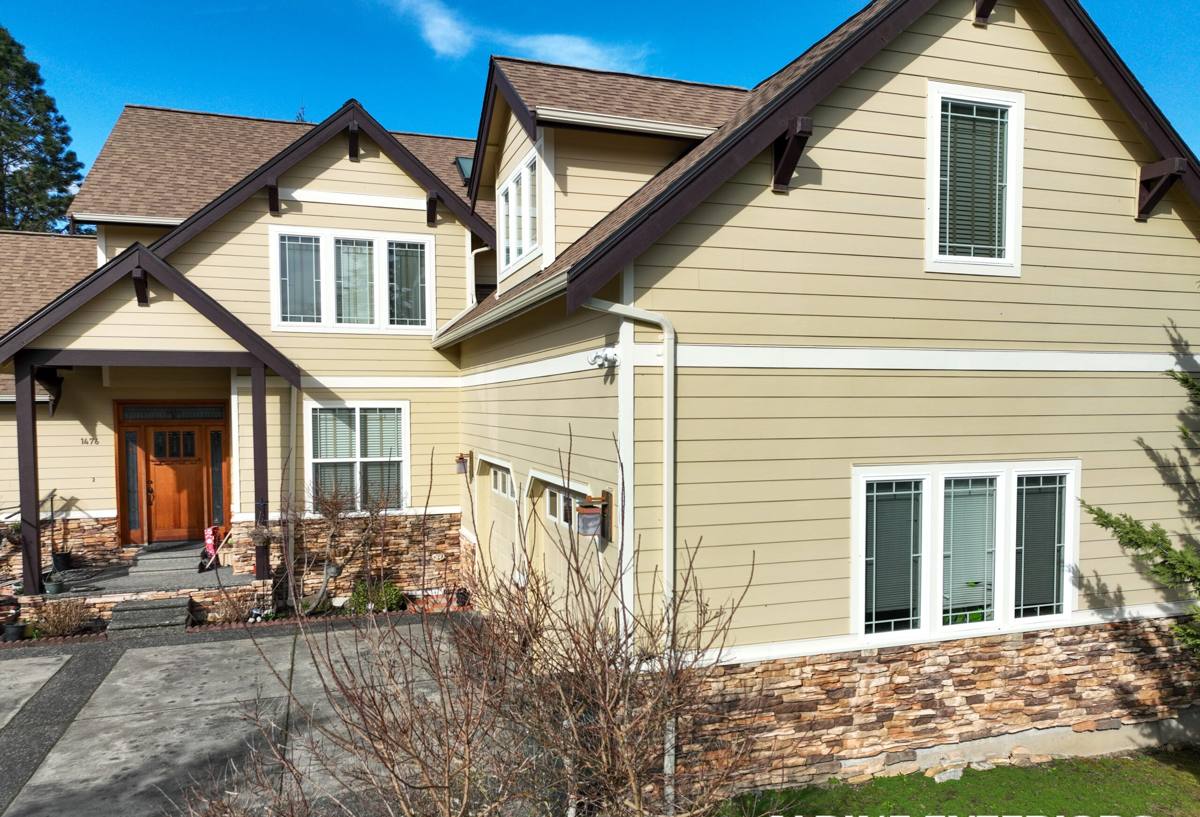
What Parrish Homes Actually Need From a Roof
Before talking about panels and finishes, it's worth being clear about the conditions driving the decision:
- Wind uplift resistance. Manatee County sees tropical storms and hurricane threats every season. A roof's ability to stay attached under sustained high wind and gusts is the single biggest factor in storm performance.
- Wind-driven rain resistance. During a storm, rain doesn't just fall — it's pushed sideways and upward under panel edges and around penetrations. Underlayment and flashing details matter as much as the roof surface itself.
- UV and heat resistance. Central Florida sun beats down on roofs nearly every day of the year. Materials that aren't UV-stable degrade, fade, and become brittle faster here than almost anywhere else in the country.
- Corrosion resistance. Salt air carries inland further than most homeowners assume, especially with onshore breezes off Tampa Bay. Fasteners, flashing, and panel coatings all need to be rated for a coastal-influenced environment, not just a standard inland climate.
A metal roof that's specified and installed with all four of these in mind will outperform almost any other roofing option available for a Parrish home.
Why Metal Roofing Fits This Area So Well
Wind Performance
Properly installed metal roofing systems carry some of the highest wind uplift ratings available in residential roofing. The performance comes from the combination of panel type, fastening pattern, and underlying deck attachment — which is why installation quality matters as much as the product itself. A wind-rated panel installed with the wrong fastener spacing or on a weak deck won't perform to its rating in a real storm.
Longevity Under Florida Sun
Quality metal roofing with a factory-applied finish resists UV degradation far better than asphalt shingles, which lose granules and oils under constant sun exposure. Metal doesn't crack, curl, or bake out the way organic roofing materials do over 15-20 years of Florida heat.
Standing Up to Salt Air
Not all metal roofing is created equal here — coating quality and metal type directly determine how well a roof resists corrosion in a coastal-influenced climate. We factor Parrish's proximity to the bay into the material specification, not just the color chart.
Heat and Energy Considerations
Reflective metal roofing finishes can reduce attic heat gain compared to dark asphalt shingles, which matters for cooling costs during Florida's long, hot season. This isn't a dramatic energy overhaul, but it's a real, honest benefit worth factoring into the decision.
What a Correct Metal Roof Installation Involves
Metal roofing rewards good installation and punishes shortcuts. The material itself is durable, but a roof is a system — deck, underlayment, flashing, fasteners, and panels all have to work together.
- Deck inspection and repair. Any soft, rotted, or delaminated decking gets identified and replaced before a single panel goes down. Metal fastened to a compromised deck won't hold its wind rating no matter how good the panel is.
- Underlayment selection. High-temperature, self-adhering underlayment is standard practice under metal roofing in this climate, both for heat resistance and as a secondary water barrier if wind-driven rain gets under a panel seam.
- Flashing details. Valleys, penetrations (vents, pipes, chimneys), and roof-to-wall transitions are where most roof leaks actually originate — not the open field of the roof. These get built up in layers, not caulked as an afterthought.
- Fastening pattern. Screw or clip spacing is engineered to the panel type and the wind exposure of the specific roof, not applied as a one-size-fits-all pattern.
- Panel installation and seaming. Panels are set true and square, with seams (standing seam or mechanically fastened, depending on system) completed to the manufacturer's specification so the roof performs as tested and rated.
- Final inspection. Every penetration, edge, and transition gets checked before we consider the job finished — not just a walk-through from the ground.
Comparing Metal Roofing Options for Parrish Homes
Not every metal roofing system is the right fit for every home or budget. Here's an honest look at how the main options compare for this climate:
| System Type | Wind Performance | Typical Lifespan | Best Fit |
|---|---|---|---|
| Standing seam metal | Excellent — concealed fasteners, strong panel-to-panel lock | 40-70 years | Homeowners prioritizing maximum storm resistance and long-term value |
| Exposed-fastener metal panels | Good — depends heavily on fastener maintenance over time | 30-45 years | Budget-conscious projects, outbuildings, or secondary structures |
| Metal shingles/shakes | Good, with proper interlocking installation | 40-60 years | Homeowners wanting a traditional roof appearance with metal's durability |
We'll walk through which of these fits your home, your roofline, and your budget honestly — including where a lower-cost option is a reasonable choice and where it isn't.
Cost Factors Homeowners Should Understand
Metal roofing costs more upfront than asphalt shingles, and any contractor who tells you otherwise isn't being straight with you. What actually drives the price on a given Parrish home includes:
- Panel system chosen — standing seam runs higher than exposed-fastener panel systems.
- Roof complexity — number of valleys, dormers, and penetrations increases labor and flashing work.
- Deck condition — plywood or board replacement adds cost but is non-negotiable where the deck has failed.
- Tear-off scope — removing existing roofing layers versus installing over a single, sound layer where code and manufacturer specs allow it.
- Coating and gauge — heavier gauge metal and higher-grade coatings cost more but last longer and resist corrosion better in salt-influenced air.
We provide a written, itemized estimate so you can see exactly what's driving the number — not a single lump figure with no explanation behind it.
Our Process, Start to Finish
We keep the process straightforward because a roof replacement is disruptive enough without added confusion:
- On-site inspection. We assess your existing roof, deck condition, and roofline before recommending anything.
- Honest recommendation. We tell you what your home actually needs, including if a lower-cost repair or a different system makes more sense than a full metal roof replacement right now.
- Written estimate. Clear scope, materials, and pricing — no vague allowances.
- Scheduled installation. We plan around weather windows, since metal roofing installation requires dry conditions for proper underlayment and seaming.
- Daily site management. Your property is protected and cleaned up throughout the job, not just at the end.
- Final walkthrough. We review the completed roof with you before calling the job done.
Why Hiring a Crew That Already Works in Parrish Matters
Roofing crews unfamiliar with this specific stretch of Manatee County can miss things that experience catches — how far salt exposure actually reaches inland from the bay on a given lot, how local wind exposure varies with tree cover and open terrain, and which flashing and fastener grades hold up rather than corrode prematurely in this environment. A crew that already works Parrish roofs regularly has seen how different systems perform here over years, not just on paper.
There's also a practical side: local crews understand Manatee County permitting and inspection requirements for roofing work, which keeps a project moving instead of stalling on paperwork or code questions mid-installation.
Signs It May Be Time to Consider a Metal Roof
Not every home needs a new roof today. These are honest indicators worth a professional look:
- Your current roof is approaching or past its expected service life
- You've had repeated storm damage or repairs on the same roof sections
- You're seeing granule loss, curling, or visible wear on asphalt shingles
- You want to reduce long-term maintenance and replacement cycles
- You're planning to stay in the home long enough for metal's lifespan to pay off
If none of these apply yet, we'll tell you that too. A roof inspection isn't a sales pitch — it's information you can use whether you move forward now or years from now.
If you're weighing metal roofing for a Parrish home, we're glad to take a look and give you a straight answer about what your roof actually needs. Fill out the form below for a free, no-pressure estimate.