 Bradenton Siding
 Asphalt Shingle Roofing Built for Parrish's Weather, Not Just Any Weather
Parrish has changed fast. New rooftops go up every month alongside older homes that have weathered decades of Manatee County summers, and both need the same thing from a roof: a shingle system installed correctly for this specific climate, not a generic install lifted from a cooler, drier part of the country. Asphalt shingles remain the most practical roofing choice for most Parrish homes because they balance cost, appearance, and performance well — but only when the installation accounts for what this area actually throws at a roof year after year.
This page covers what asphalt shingle roofing means specifically for homes in Parrish and the surrounding Bradenton area: what the climate demands, what a correct installation actually involves, how we approach the job, and why local experience matters more than most homeowners realize until something goes wrong.
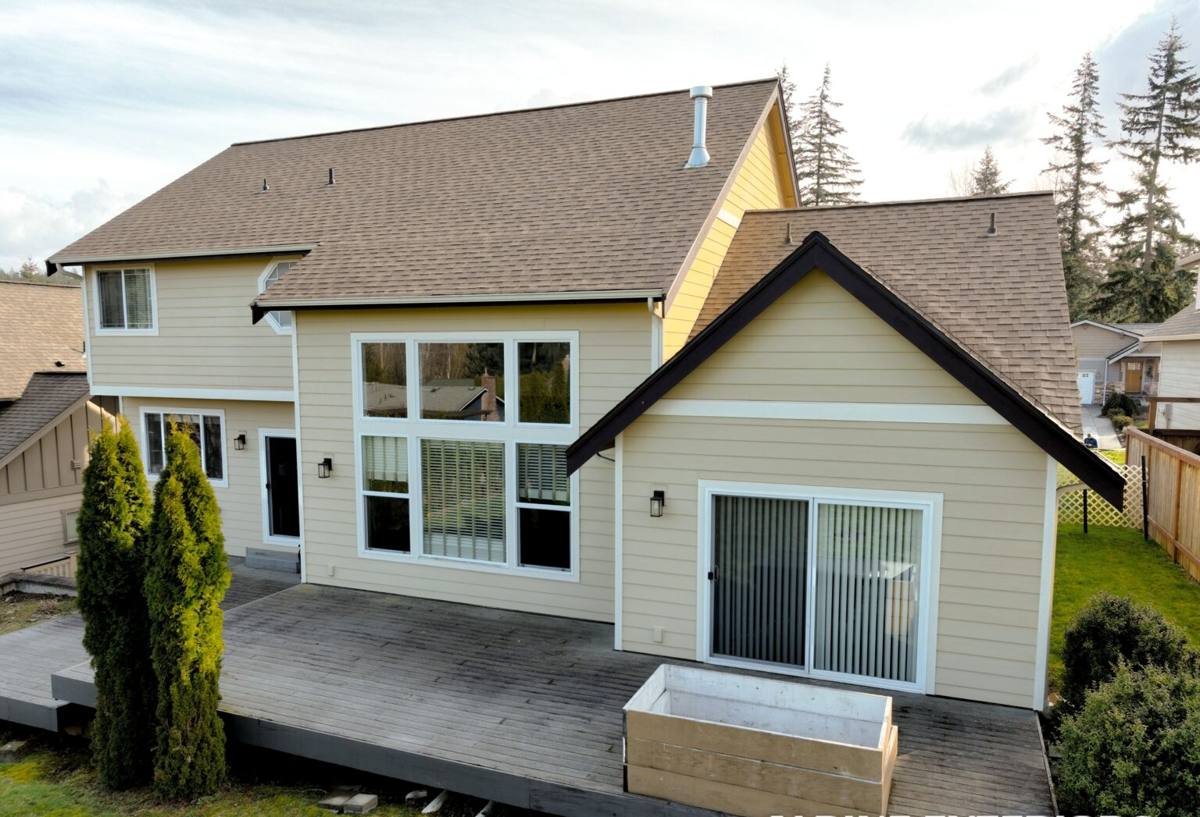
What Sun, Wind, and Rain Actually Do to a Shingle Roof Here
Manatee County roofs don't fail the way roofs fail in milder climates. The damage is cumulative and often invisible until it isn't.
UV Exposure, Every Single Day
Florida's near-constant sun bakes the asphalt in shingles year-round, not just in summer. Over time, UV exposure dries out the asphalt, causing granule loss, brittleness, and eventually cracking. A shingle rated for a 30-year lifespan in a temperate climate often doesn't reach that number here — heat and UV shorten the practical service life, which is why product selection and proper attic ventilation both matter more in Parrish than they would somewhere with milder sun.
Wind-Driven Rain
Florida storms rarely deliver rain straight down. Wind pushes it sideways and under shingle edges, which means the underlayment, flashing, and sealing details do more work here than in regions where rain falls more predictably. A roof that only handles vertical rain well will eventually leak during a sideways storm, and by the time a homeowner sees a stain on the ceiling, water has often been finding its way in for a while.
Hurricane-Force Wind Events
Parrish sits inland from the coast, but that doesn't exempt it from hurricane-force winds during tropical systems. Wind uplift is what tears shingles off a roof, and it targets weak points first — edges, ridges, and anywhere fasteners were placed a little short of spec. A roof built to current wind standards, with the right nailing pattern and starter strip detail, performs dramatically better than one that technically passed inspection but was installed to the minimum.
Salt Air, Even This Far Inland
Homeowners are often surprised that salt air affects a roof even outside the immediate coastline. Airborne salt travels with prevailing winds and settles on roofing materials, accelerating the corrosion of exposed metal components like flashing, fasteners, and vents. It's a slower effect than what beachfront homes experience, but over a 15-20 year roof life it adds up, which is part of why fastener and flashing material choice matters as much as the shingle itself.
What a Correctly Installed Asphalt Shingle Roof Includes
A shingle roof is a system, not a single product. Skipping or shortcutting any layer undermines the whole thing, regardless of how good the shingle itself is.
- Deck inspection and repair — every board under the shingles gets checked for soft spots, rot, or delamination before anything new goes down. Installing over a compromised deck guarantees future problems.
- Synthetic or felt underlayment — the water-resistant layer beneath the shingles, sized and lapped correctly so wind-driven rain can't work its way underneath.
- Ice-and-water or self-adhering membrane at vulnerable points — valleys, eaves, and penetrations get extra protection where water is most likely to find a way in.
- Drip edge and starter strip — often skipped or done cheaply, these details are what keep the first row of shingles from being the first thing wind peels off.
- Correct nailing pattern — the number, placement, and depth of fasteners per shingle is specified for a reason; overdriven or underdriven nails are one of the most common causes of early shingle failure and wind loss.
- Flashing at every penetration and transition — chimneys, skylights, sidewalls, and roof-to-wall intersections all need properly formed and sealed flashing, not just caulk.
- Ridge vent and ridge cap installation — tying the ventilation system into the finished roofline correctly, both for appearance and airflow.
Any one of these steps done poorly can shorten a roof's life by years, regardless of how much the shingle itself cost.
Choosing Shingles Built for Manatee County Conditions
Not every asphalt shingle product performs the same way under Florida sun and wind. The right choice depends on budget, how long the homeowner plans to stay in the home, and how much wind resistance they want built in from day one.
| Shingle Type | Typical Wind Rating | Best Fit | Trade-Offs |
|---|---|---|---|
| 3-Tab Asphalt | Lower (varies by product) | Budget-conscious replacements, rentals | Shorter practical lifespan in intense UV; less wind resistance |
| Architectural / Laminate | Higher, varies by manufacturer | Most owner-occupied Parrish homes | Higher upfront cost than 3-tab, but better durability and appearance |
| Impact-Rated / High-Wind Rated | Highest available in asphalt category | Homes wanting maximum storm resilience, potential insurance credit | Highest material cost; insurance discount depends on carrier and policy |
We'll walk through the honest trade-offs for your specific roof and budget rather than pushing the most expensive option by default. Many Parrish homeowners land on a mid-tier architectural shingle rated for high wind — it's a practical balance of cost, curb appeal, and performance for this climate. If your policy or lender has specific wind-mitigation requirements, we can factor that into the product selection from the start rather than finding out after the fact.
Our Process, Start to Finish
A roof replacement disrupts a household, so we keep the process straightforward and communicate at each stage.
- On-site inspection — we get on the roof, check the deck condition where accessible, look at flashing and ventilation, and assess actual damage versus cosmetic wear.
- Honest recommendation and estimate — repair versus replace, shingle options within your budget, and a clear written quote with no vague allowances.
- Material delivery and site protection — landscaping, gutters, and outdoor fixtures get protected before tear-off begins.
- Tear-off and deck inspection — old materials come off completely; any deck damage found underneath gets flagged and priced before we cover it back up, not after.
- Underlayment, flashing, and shingle installation — installed to manufacturer spec and current wind code, not the bare minimum to pass inspection.
- Cleanup and magnetic nail sweep — the property gets cleared of debris and stray fasteners before we consider the job finished.
- Final walkthrough — we go over the finished roof with you, answer questions, and provide documentation for warranty and insurance purposes.
Permitting for roofing work in unincorporated Manatee County goes through the county building department, and we handle that paperwork as part of the job rather than leaving it for the homeowner to sort out.
Attic Ventilation: The Part Homeowners Overlook
A new roof without proper attic ventilation is an incomplete job. In Florida's heat, a poorly ventilated attic traps hot, moist air against the underside of the deck, which accelerates shingle aging from below and can contribute to moisture problems that have nothing to do with the shingles themselves. Balanced intake (soffit vents) and exhaust (ridge vents or similar) keep air moving through the attic space, which protects the roof deck, helps shingles last closer to their rated lifespan, and can ease the load on a home's air conditioning during Florida's long cooling season. When we replace a roof, we evaluate whether the existing ventilation is adequate and flag it if it isn't — it's a relatively small addition at replacement time and a much bigger, messier fix later.
Repair or Replace? Signs Worth Checking
Not every roof problem means a full replacement, and not every roof that looks fine from the ground is actually sound. A few signs point toward one or the other:
- Granules collecting in gutters or at downspout outlets — a sign of accelerating shingle wear
- Curling, cupping, or cracked shingles, especially on the sun-exposed side of the roof
- Shingles missing or lifted after a storm, particularly along edges and ridges
- Soft spots or sagging visible from the attic or from ground level
- Staining on interior ceilings or in the attic, even if it's not actively dripping
- Daylight visible through the roof deck from inside the attic
- A roof approaching or past 15-20 years old with no major work done
- Rusted or visibly deteriorated flashing around chimneys, vents, or wall transitions
If you're seeing one or two of these and the roof is relatively young, a targeted repair is often the right call. Multiple items on this list, or a roof already past its expected service life, usually points toward replacement being the more cost-effective long-term decision — a patchwork of repairs on an aging roof rarely saves money once you add it all up.
Why Local Experience in Parrish Matters
A crew that regularly works in Parrish and the broader Bradenton area understands things that don't show up in a generic roofing checklist: how quickly afternoon storms roll in and what that means for scheduling tear-off days, what Manatee County's permitting and inspection process actually requires, and how new-construction subdivisions differ from older established properties when it comes to deck condition and existing ventilation. That local familiarity translates into fewer surprises, more realistic timelines, and a crew that isn't learning the local wind code and permitting process on your project.
It also means accountability. A contractor working the same area year-round has a reputation to maintain with neighbors, not just with one customer on one job.
Ready for a Straight Answer About Your Roof?
Whether you're dealing with storm damage, an aging roof, or you're just trying to plan ahead before it becomes an emergency, we're happy to take a look and give you an honest assessment — no pressure, no inflated scare tactics. Use the form below to request a free estimate for asphalt shingle roofing in Parrish, and we'll walk you through exactly what your roof needs and why.