 Bradenton Siding
 Composite Decking Built for Parrish, Not Just Sold Here
Parrish sits inland from the coast but doesn't escape what Manatee County throws at an outdoor structure over the course of a year. Intense, near-constant UV breaks down cheap materials faster than most homeowners expect. Wind-driven rain during summer storm season gets underneath boards that weren't installed with drainage in mind. Salt-laden air drifting in off Tampa Bay and the Gulf still reaches this far inland on a humid day, and it works on fasteners and hardware whether a home is waterfront or ten miles from it. Add hurricane-force wind events to that list and you've got a climate that treats a deck like a stress test, not a backyard amenity.
We build and repair composite decks throughout the Parrish area, and we've watched what this specific combination of sun, moisture, and wind does to decking that wasn't matched to the conditions. This page covers what a deck actually needs to hold up here, how we build one correctly, and why hiring a crew that already works this part of Manatee County is worth something.
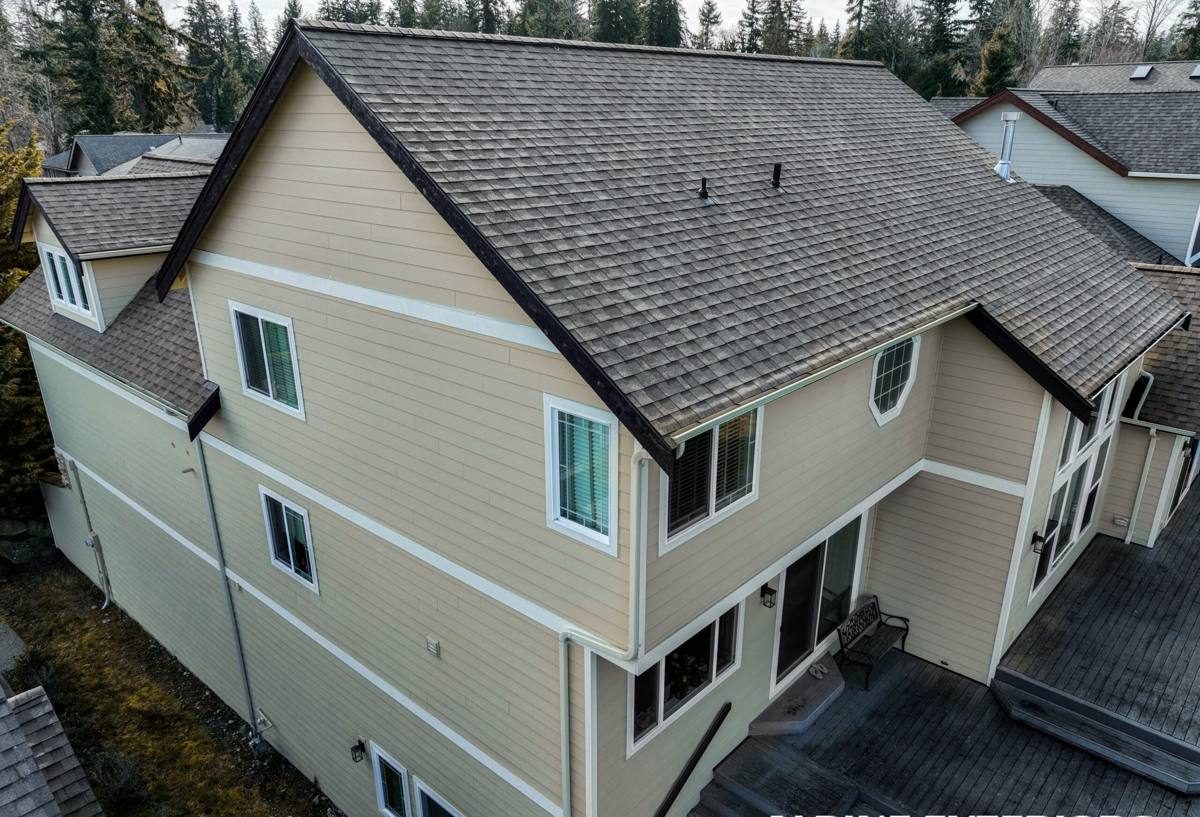
What Parrish's Climate Does to a Deck
UV and Heat
Florida sun is relentless in a way that a lot of decking material — especially older or lower-grade composite — simply wasn't designed to handle. Constant UV exposure fades color, and on cheaper boards it can make the surface chalky or brittle over a few seasons. Heat buildup is a real comfort issue too: dark-colored, low-quality composite can get hot enough underfoot in July and August that it's genuinely uncomfortable to walk on barefoot.
Wind-Driven Rain and Humidity
Summer storms in this part of Florida don't fall straight down. Wind pushes rain sideways and up under railings, into fastener holes, and along board edges — exactly the spots where water damage starts if a deck wasn't built with proper spacing and drainage. Manatee County's humidity also means anything that traps moisture against a structural member stays damp longer than it would in a drier climate, which speeds up decay in any wood framing underneath the decking surface.
Salt Air
Parrish isn't beachfront, but salt air travels well inland on Gulf breezes, especially with prevailing wind patterns. Over years, that salt exposure accelerates corrosion on exposed screws, brackets, and railing hardware that aren't rated for it. A deck that looks fine on the surface can have hardware quietly failing underneath if the wrong fasteners went in during construction.
Wind Load
Hurricane season isn't a once-a-decade concern here — it's an annual planning consideration. Railings, post connections, and ledger board attachment all need to be built to hold up under real wind load, not just look sturdy on a calm day. This is one of the areas where cutting corners doesn't show up until the wrong storm comes through.
What a Correctly Built Composite Deck Involves
Composite decking itself is a low-maintenance surface material, but the deck as a whole is a structural project. Getting it right in Parrish means paying attention to details that don't matter as much in milder climates.
- Pressure-treated or engineered structural framing sized correctly for the span and load, not undersized to save on lumber
- Stainless steel or coated corrosion-resistant fasteners and hardware rated for coastal-adjacent exposure
- Proper board spacing for drainage and thermal expansion — composite expands and contracts more than people expect in Florida's heat swings
- Ledger board attachment and flashing detailed to keep wind-driven rain from tracking back into the house structure
- Post footings and railing connections built to current Florida Building Code wind requirements for this region
- Ventilation underneath the deck surface so moisture doesn't sit trapped against framing
Skip any one of those items and the deck can still look complete on the day it's finished. The problems that show up from cutting corners here — soft framing, corroded hardware, railings that flex more than they should — tend to surface years later, often after the crew that built it is long gone.
Composite vs. Other Decking Materials for Parrish Homes
Homeowners in Parrish typically weigh composite against pressure-treated wood and, less often, aluminum or PVC. Each has real trade-offs in this climate.
| Material | UV/Fade Resistance | Moisture Behavior | Maintenance | Typical Lifespan Here |
|---|---|---|---|---|
| Composite decking | Strong with cap-stock protection; fades gradually and evenly | Resists rot; won't absorb water into the core like wood | Occasional cleaning; no staining or sealing | 25-30+ years |
| Pressure-treated wood | Fades and grays quickly under Florida UV without upkeep | Absorbs moisture; prone to warping, splintering, rot in humid climate | Annual sealing or staining recommended | 10-15 years with upkeep |
| PVC decking | Very strong; some products can look plasticky | Fully moisture-resistant | Low; can show heat flex in direct sun | 25-30+ years |
| Aluminum decking | Excellent | Excellent; won't rot or warp | Low; can be hot underfoot, higher material cost | 30+ years |
Composite tends to hit the best balance for most Parrish homeowners: it doesn't demand the annual maintenance wood does, it handles humidity and UV better than treated lumber, and it costs less than most PVC or aluminum systems while still delivering a long service life. Wood remains a legitimate lower-upfront-cost option for homeowners who don't mind the maintenance schedule, but the ongoing labor and cost of sealing and repairs in this climate adds up over a decade.
Our Process for a Parrish Composite Deck Project
1. On-Site Assessment
We walk the property, look at grade, drainage, sun exposure, and how the deck will tie into the house. For replacement projects, we also assess the condition of any existing framing to determine what can stay and what needs to be rebuilt.
2. Design and Material Selection
We talk through board style, color, and railing options, and we're upfront about which composite products hold up well in this climate versus which ones are better suited to milder regions. Not every composite line on the market is built the same.
3. Permitting
Deck construction in Manatee County typically requires a permit, and wind-load requirements are part of that review. We handle the permitting process as part of the project so the finished structure is code-compliant, not just visually finished.
4. Construction
Framing first, built to span and load requirements — then decking, railing, and hardware installed to manufacturer specifications. We don't shortcut fastener spacing or hardware grade to save time.
5. Final Walkthrough
We walk the finished deck with the homeowner, check railing stability, board spacing, and drainage, and answer questions about care and what to expect from the material over time.
Why a Crew That Already Works Parrish Matters
A deck built by a crew unfamiliar with this specific climate can still turn out fine — or it can quietly miss details that only matter here. Knowing that Manatee County's wind-load requirements are non-negotiable, that fastener corrosion resistance isn't optional this close to the Gulf, and that summer storm patterns demand real drainage planning isn't generic decking knowledge. It's local knowledge built from working on homes in this area repeatedly, seeing what holds up and what doesn't, and adjusting the build accordingly. We're a Bradenton-based crew that works Parrish and the surrounding Manatee County communities regularly, and that familiarity shows up in the details of the finished structure, not just the sales pitch.
Keeping a Composite Deck Looking Good Long-Term
One of composite decking's real advantages is how little upkeep it asks for compared to wood, but "low-maintenance" isn't "no-maintenance." A few habits keep a Parrish deck performing well for decades:
- Rinse the surface periodically to clear pollen, salt residue, and organic buildup before it stains
- Sweep debris out of gaps between boards so drainage paths stay clear
- Check railing posts and hardware annually for looseness, especially after storm season
- Trim back nearby landscaping so leaves and moisture don't sit against the deck surface
- Address any soft spots or hardware corrosion early rather than waiting for it to spread
None of this requires sealing, staining, or the kind of annual labor a wood deck demands — it's the difference composite is built to deliver.
What to Expect Cost-Wise
Composite decking costs more upfront than pressure-treated wood, generally by a meaningful margin, but the gap narrows significantly once you factor in the sealing, staining, and repair labor wood requires over the same span of years in this climate. Actual project cost depends on deck size, framing condition, railing style, and material grade chosen, so a firm number only comes from seeing the specific property. We're straightforward about that range once we've walked the site — we don't believe in lowball estimates that grow once work starts.
If you're planning a new deck or replacing one that's showing its age, we're happy to come take a look and put together a free, no-pressure estimate. Use the form below to get started.