 Bradenton Siding
 Board & Batten Siding in Parrish: A Style With Real Structural Demands
Board and batten has become one of the most requested siding profiles in Parrish over the last several years. The vertical lines, the crisp shadow pattern the battens create, and the farmhouse-meets-modern look pair naturally with the larger lots, newer construction, and ranch-style properties that make up a lot of this part of Manatee County. It's a striking look — but it's also a siding profile that punishes sloppy installation more than almost any other style. Every seam where a batten meets the field panel is a place water can find its way behind the cladding if the job isn't done right. In a climate like ours, that's not a small detail.
This page covers what board and batten siding needs to hold up on a Parrish home, what correct installation actually involves, and why we install it exclusively in James Hardie fiber cement rather than the vinyl or engineered-wood versions of this look.
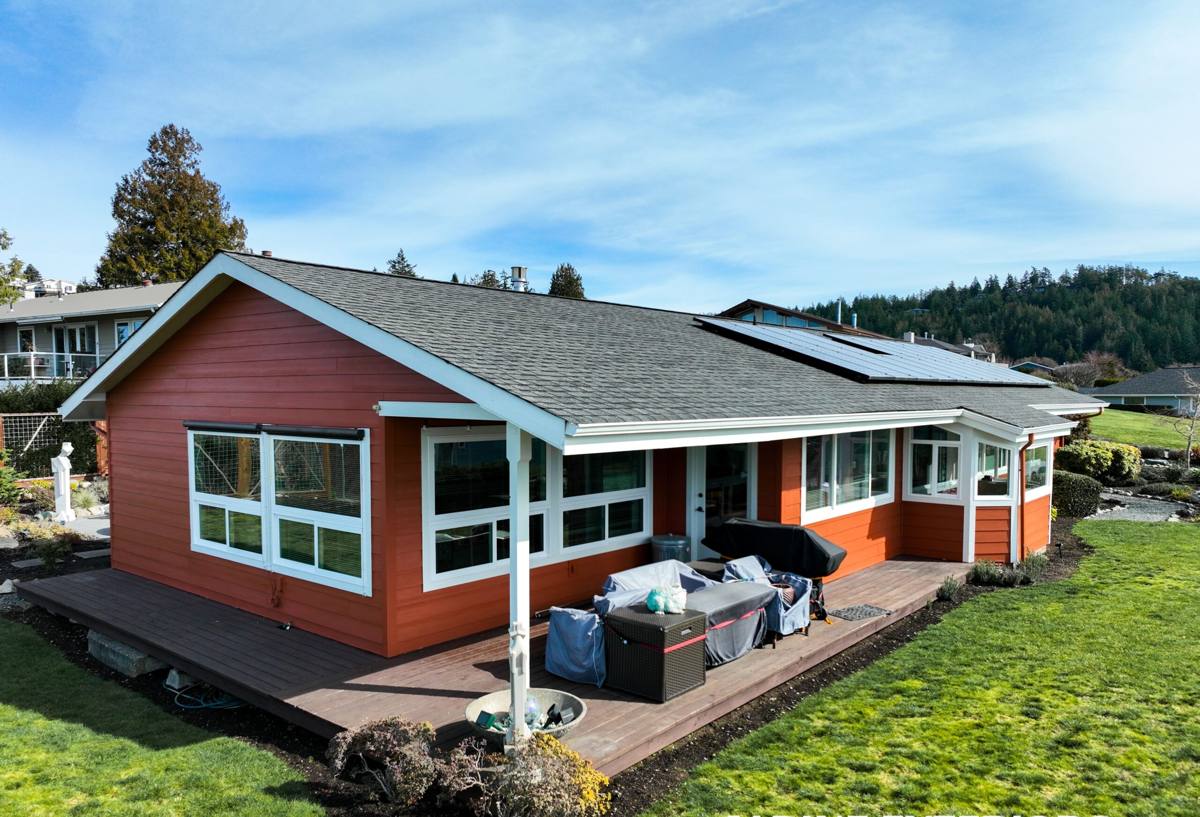
What Parrish's Climate Actually Does to Vertical Siding
Parrish sits inland from the immediate coastline, but it's still squarely inside the weather pattern that defines this whole stretch of the Gulf Coast. Over a normal year, a board and batten exterior here is dealing with:
- Hurricane-force wind events that put direct lateral pressure on vertical panel seams and test every fastener and batten strip
- Intense, near-constant UV exposure that breaks down paint film, caulking, and lesser cladding materials faster than in most parts of the country
- Wind-driven rain during summer storms, which drives moisture sideways into seams and laps that would stay dry in a calmer climate
- Salt-influenced air carried inland off Tampa Bay and the Gulf, which accelerates corrosion on fasteners, trim, and any metal components in the wall assembly
Board and batten's vertical seams are more exposed to this combination than a standard horizontal lap profile, simply because there are more joints per square foot of wall and each one runs top to bottom instead of shedding water horizontally. That's not a reason to avoid the style — it's a reason the installation details matter more here than they would on a lap job.
Where Board & Batten Gets Used on Parrish Homes
We see board and batten in Parrish in a few different applications, and the right approach depends on which one you're doing:
Full-Elevation Board & Batten
Some homeowners want the vertical look across the entire house, especially on newer builds going for a modern farmhouse or coastal contemporary exterior. This is the most demanding version to get right because every wall plane, corner, and window opening needs a consistent, water-tight detail.
Accent Applications
More often, board and batten is used as an accent — gables, a front entry feature, a garage face, or a second-story pop-out — paired with standard lap siding on the rest of the house. This gives you the visual interest without the full cost and complexity of an all-vertical exterior, and it's a very common combination on Parrish properties.
Replacing Failing Wood Board & Batten
A fair number of our board and batten calls in this area are replacements — older wood or engineered-wood board and batten that's cupping, rotting at the base of the boards, or has failed at the batten seams after years of Florida sun and rain. Fiber cement solves the specific failure points that took the original siding down.
What a Correct Board & Batten Installation Actually Involves
Board and batten looks simple from the curb — vertical boards with a strip covering each seam — but the assembly behind that look is doing real work. Done correctly, it includes:
- A drainable water-resistive barrier behind the panels, so any moisture that does get past the surface has somewhere to go instead of sitting against the wall sheathing
- Correct panel-to-batten overlap and fastening, following the manufacturer's engineered fastening pattern rather than a generic nail schedule
- Proper starter strips and flashing at the base of the wall, window and door openings, and any horizontal transitions, since these are the highest-risk points for water intrusion
- Correct clearance at grade — siding that's installed too close to the ground, patios, or roof lines invites moisture wicking regardless of the material
- Factory-finished panels so color and sealant performance are consistent across every board, not dependent on field-applied paint holding up evenly
Skip or shortcut any one of these and the siding can still look good for a season or two — the problems that show up from rushed vertical siding work tend to surface behind the wall before they show up on the surface.
Why We Install James Hardie for Board & Batten — Not Vinyl or LP SmartSide
Board and batten is available in vinyl, engineered wood (LP SmartSide), and fiber cement. We install James Hardie exclusively, and for this specific profile the reasoning is even more direct than usual:
Vinyl board and batten relies on interlocking plastic panels that expand and contract significantly with Florida's heat swings, and in high-wind events those panels are more prone to flexing, rattling loose, or pulling away at the fastening points than a rigid fiber cement panel screwed and nailed to a structural pattern. Engineered wood products use wood fiber with a resin binder — durable in many climates, but any breach in the factory coating at a cut edge, fastener point, or batten seam exposes the wood fiber core to our humidity and rain, and vertical siding has more seams than almost any other profile.
James Hardie fiber cement doesn't have an organic core to break down, doesn't soften or swell with moisture exposure, and holds its shape under wind load the way a rigid board should. For a profile that lives or dies on how well its seams perform over time, that's the difference that matters.
James Hardie Products We Use for Board & Batten in Parrish
| Product | What It Is | Where It Fits |
|---|---|---|
| HardiePanel Vertical Siding | Large-format fiber cement panel installed vertically as the field material | Full-elevation or large accent applications |
| Batten strips (HardieTrim) | Fiber cement trim boards installed over panel seams | Covers and protects every vertical joint |
| Artisan V-Groove Panel | Premium panel line with a more refined groove and finish | Front elevations and higher-visibility accents |
Texture options like Select Cedarmill (a subtle woodgrain) or Sierra Premium (a smoother, more contemporary finish) both come through in a vertical application — which one fits depends on whether the house is going for a farmhouse look or a cleaner modern one. All of it comes factory-finished with ColorPlus coating, which matters even more on vertical siding since it's carrying color and UV protection on every exposed edge, not just the field of the wall.
Our Process for a Parrish Board & Batten Project
The steps don't change much from house to house, but the details we check at each one do:
- On-site assessment — we look at wall condition, existing siding (if any), grade clearance, and which application (full elevation vs. accent) actually fits the house
- Product and texture selection — panel line, texture, and color, matched to the rest of the exterior if this is a partial or accent installation
- Water-resistive barrier and flashing installation — the unseen layer that determines how the wall handles moisture over the next 30+ years
- Panel and batten installation to Hardie's engineered fastening specification, not a generalized nailing pattern
- Detail work at openings and transitions — windows, doors, roof lines, and any horizontal-to-vertical siding transitions
- Final inspection — fastener placement, seam coverage, caulking, and clearance checked before we call it finished
Installation Checklist We Hold Every Job To
- Drainable water-resistive barrier installed behind all panels
- Manufacturer-specified fastening pattern followed at every panel and batten
- Flashing installed at all window, door, and roof-to-wall transitions
- Minimum clearance maintained at grade, patios, and roof lines
- All cut edges properly sealed per manufacturer specification
- Batten spacing consistent and true across each elevation
What Board & Batten Costs Depend On
| Factor | Why It Matters |
|---|---|
| Full elevation vs. accent | Full-house vertical siding involves significantly more material and labor than an accent gable or entry feature |
| Existing siding removal | Tear-off of failing wood or vinyl siding adds labor and disposal before installation can start |
| Wall complexity | Gables, dormers, and multiple roof transitions add cutting, flashing, and detail time |
| Panel and texture selection | Artisan Series and premium textures cost more than standard HardiePanel |
| Underlying sheathing condition | Any rot or damage found once old siding comes off needs to be addressed before new siding goes on |
We give a firm number after walking the house — there's no way to price vertical siding accurately without seeing wall condition and complexity in person.
Why a Crew That Already Works in Parrish Matters Here
Board and batten's seams and details are unforgiving of guesswork, and a crew that's already installed it on homes across Parrish and the wider Bradenton area has already worked out how the local grade conditions, common construction types, and our wind and rain patterns interact with this specific profile. That's not something you get from a crew installing it for the first time, and it's not something a generic remodeling outfit that treats siding as a side offering tends to have dialed in. We stand behind the installation the same way we stand behind the material — because on a profile like this, the two aren't really separate things.
If you're considering board and batten siding for a home in Parrish, we'll walk the property, talk through full-elevation versus accent options, and give you a straightforward, no-pressure estimate — just fill out the form below.