 Bradenton Siding
 Roof Repair in Parrish: Built for a Tough Climate
Parrish sits in a part of Manatee County where the roof over your head works harder than it does almost anywhere else in the country. Between hurricane-force wind events, intense year-round UV exposure, wind-driven rain that finds its way into any small gap, and salt-laden air drifting in off the Gulf and Tampa Bay, a Parrish roof ages differently than one in a drier, cooler climate. Repairs here aren't just cosmetic patchwork — they have to hold up against the next named storm, the next humid summer, and the slow corrosive effect of salt air on metal fasteners and flashing.
We do roof repair work specifically in and around Parrish, not as a side trip from somewhere else. That matters, because the right repair depends on understanding how local sun angle, storm tracks, and building age typically show up in this area's roofs.
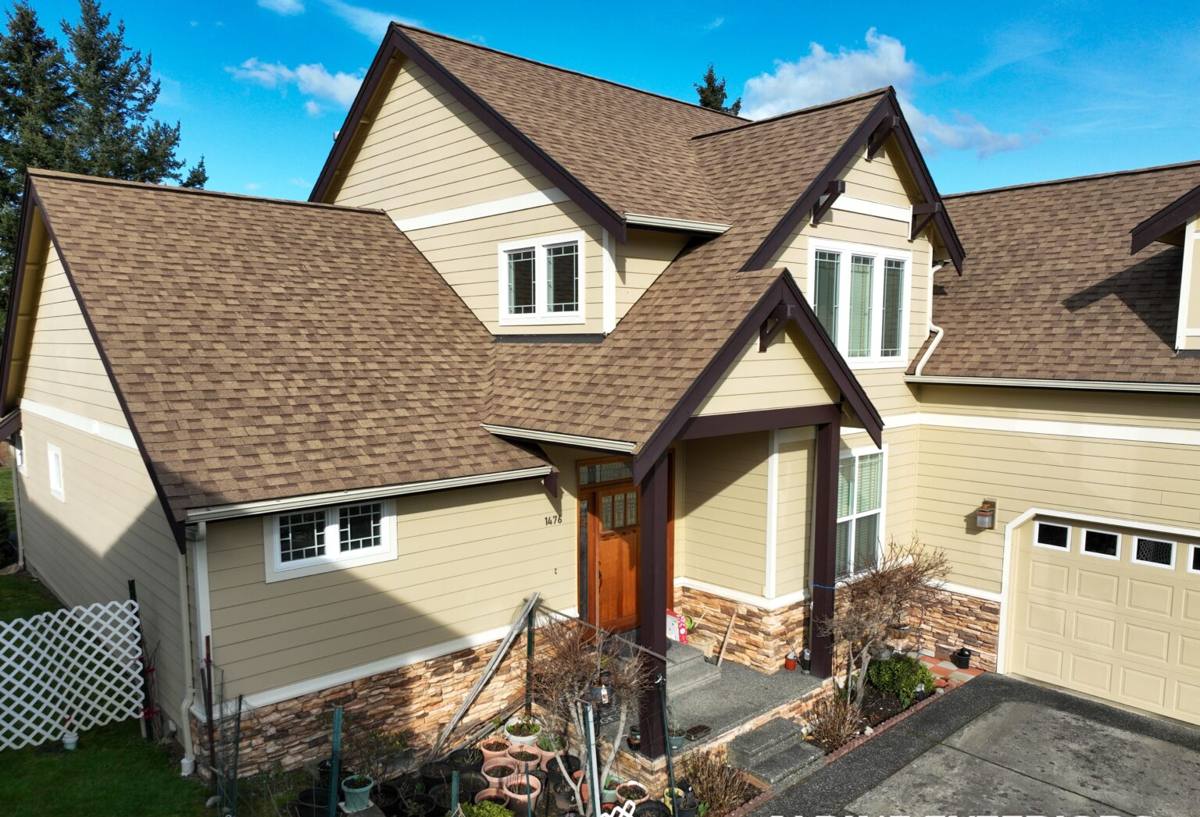
Why Roofs in Parrish Fail Faster Than the National Average
UV and Heat Cycling
Florida sun breaks down asphalt shingle granules and dries out sealant strips faster than most manufacturers' warranties assume. Daily heat-up-and-cool-down cycles also stress fasteners and flashing seams over years, loosening what was once a tight seal.
Wind-Driven Rain
A roof doesn't have to lose shingles to leak. Wind-driven rain during storms can push water sideways and upward under shingle tabs, through aging pipe boots, and around flashing that's still technically "intact" but no longer sealed tight. This is one of the most common repair calls we get after a storm passes through — no obvious damage, but a new stain on the ceiling.
Hurricane and Tropical Storm Wind Loads
Even roofs that survive a storm without visible damage often come away with lifted shingle tabs, cracked seals, or bent flashing that won't show a leak for weeks or months. Left alone, these become entry points the next time it rains hard.
Salt Air Corrosion
Being close enough to the coast to catch salt air means metal roof components — nails, drip edge, flashing, and fasteners — corrode faster than inland installations. Corroded fasteners back out of decking, and corroded flashing thins until it's no longer watertight.
Signs Your Parrish Roof Needs Repair, Not a Full Replacement
Not every roof problem means a new roof. Most of what we're called out for in Parrish is legitimately repairable if it's caught before water damage spreads into the decking or interior structure. Watch for:
- Missing, cracked, or curling shingles in an isolated area rather than across the whole roof
- A ceiling stain that appeared after a storm, even if it hasn't grown
- Granules collecting in gutters or at downspout outlets
- Visible daylight through the attic decking at any point
- Soft or spongy spots when walked on (a sign of decking rot beneath)
- Rusted, lifted, or visibly separated flashing around chimneys, skylights, or roof-to-wall joints
- Cracked or slipped pipe boots around plumbing vents
- Debris damage from a recent storm — a broken branch, dented vent cap, or torn ridge cap
If the damage is localized and the decking underneath is still sound, a proper repair can extend the roof's usable life by years for a fraction of replacement cost. Our job is to give you an honest read on which category your roof falls into — not to talk you into more work than you need.
Common Roof Types in Parrish and How Their Repairs Differ
Parrish has a mix of housing stock, from established single-family neighborhoods to newer developments, and the repair approach depends heavily on roof type.
| Roof Type | Typical Weak Point in This Climate | Repair Approach |
|---|---|---|
| Asphalt Shingle | UV-brittled tabs, sealant failure, wind-lifted edges | Selective shingle replacement, resealing tabs, flashing repair |
| Concrete/Clay Tile | Cracked or slipped tiles, failed underlayment beneath sound tiles | Careful tile removal, underlayment patch or replacement, tile reset |
| Metal | Fastener corrosion, seam and flashing movement from thermal cycling | Fastener replacement, seam resealing, panel-specific flashing repair |
| Low-Slope/Flat (additions, porches) | Ponding water, membrane seam separation, UV degradation | Membrane patching or seam re-welding, drainage correction |
Tile roofs deserve a specific note: the tile itself often outlasts the underlayment beneath it. A common mistake is assuming a tile roof with a leak needs full tile replacement, when in most cases the tiles can be carefully lifted, the underlayment repaired or replaced in that section, and the original tiles reset. This is slower, more careful work than a shingle repair, which is exactly why it needs to be done by a crew that does it regularly rather than one working outside its usual scope.
What a Correct Roof Repair Actually Involves
A repair that just covers the visible symptom without addressing what let water in will fail again, often within a single storm season. A correct repair follows a sequence:
- Find the actual entry point. Water travels along decking and rafters before it shows up as a stain, so the visible damage and the actual leak source are often in different spots.
- Check the decking. Any soft, delaminated, or water-stained decking gets replaced before new roofing material goes down — patching over compromised decking just hides a problem that will resurface.
- Address flashing and penetrations first. Most leaks originate at a transition point — a chimney, skylight, vent, or roof-to-wall junction — not in the open field of the roof. These get proper step flashing, counterflashing, or boot replacement, not just a bead of sealant.
- Match materials appropriately. Shingle color and profile, tile matching, or metal panel matching are handled carefully so the repair doesn't stand out or create a mismatched seal line.
- Reseal and reinforce for wind. Given how often wind-driven rain and storm gusts are the actual cause of damage here, repairs are finished with proper sealing at tabs, ridges, and edges — not just cosmetic replacement.
Our Roof Repair Process in Parrish
We keep the process straightforward because homeowners dealing with a leak don't need extra steps between the problem and the fix:
- Inspection. We walk the roof and the attic when accessible, tracing the likely water path rather than just patching the spot where the stain appears indoors.
- Written scope and estimate. You get a clear explanation of what failed, why, and what the repair involves — no vague line items.
- Repair vs. replace conversation. If the damage is more extensive than a repair can reasonably address, we tell you plainly and explain why, rather than stretching a repair past its usefulness.
- The repair itself. Decking, flashing, underlayment, and surface material are addressed in that order, with attention to matching the existing roof.
- Cleanup and check. Debris, old materials, and stray fasteners (a real hazard for tires and bare feet) are cleared from the property before we consider the job done.
Repair vs. Replacement: How We Help You Decide
This is often the hardest question homeowners face after storm damage or a long-standing leak. The honest answer depends on a few factors we walk through with you:
| Factor | Favors Repair | Favors Replacement |
|---|---|---|
| Extent of damage | Localized to one area or system | Spread across multiple roof sections |
| Roof age | Well within expected service life | Near or past typical lifespan for its material |
| Decking condition | Sound, dry, structurally solid | Widespread rot or repeated water intrusion |
| Number of past repairs | First or second repair in this area | Same area repaired multiple times already |
| Insurance situation | Damage is contained and documentable | Storm damage triggers a full-roof claim |
We'll never recommend a full replacement when a repair genuinely solves the problem, and we won't recommend patchwork on a roof that's clearly past the point where repairs make financial sense. Our reputation in this area depends on that being a straight answer every time, not a sales pitch either direction.
Materials and Workmanship Standards
For repair work, we use materials that match or exceed the performance of what's already on your roof, with an emphasis on components proven to hold up against Gulf Coast conditions — corrosion-resistant fasteners, UV-stable sealants, and flashing details built for wind-driven rain rather than just vertical rainfall. We're selective about which underlayment and sealant products we use in repair work; some lower-cost options look fine on installation day but degrade quickly under constant Florida UV and heat, creating a callback within a year or two. We'd rather use a product with a proven track record in this climate than the cheapest option available, because a repair that needs to be redone within a season isn't actually a repair — it's a delay.
Why a Crew That Already Works Parrish Matters
Roof repair isn't uniform across Florida, let alone across the country. A crew that regularly works Parrish and the surrounding Bradenton area already knows which roof types and ages are common here, how local storm patterns tend to stress roofs, and what flashing and sealant details actually hold up against salt air and wind-driven rain year after year. That familiarity shows up in fewer surprises during the job and fewer callbacks afterward. It also means we're not learning on your roof — we're applying what we've already seen work, and not work, on homes very similar to yours nearby.
Between Repairs: Maintenance That Extends Roof Life
A repair buys you time, but a few habits stretch that time further in this climate:
- Clear gutters and downspouts regularly so water doesn't back up under shingle edges
- Trim back tree limbs that can abrade shingles in wind or drop debris during storms
- After any significant storm, do a visual check from the ground for obviously lifted or missing shingles
- Address small leaks immediately rather than waiting to see if they get worse — they almost always do
- Have flashing and pipe boots checked every few years, since sealant and rubber components degrade well before the surrounding roofing material
If you're noticing a stain, a missing shingle, or storm damage on a roof in Parrish, we're happy to take a look and give you a straight answer on what it actually needs. Reach out for a free, no-pressure estimate using the form below.