 Bradenton Siding
 Parrish Roofs Face a Different Kind of Wear
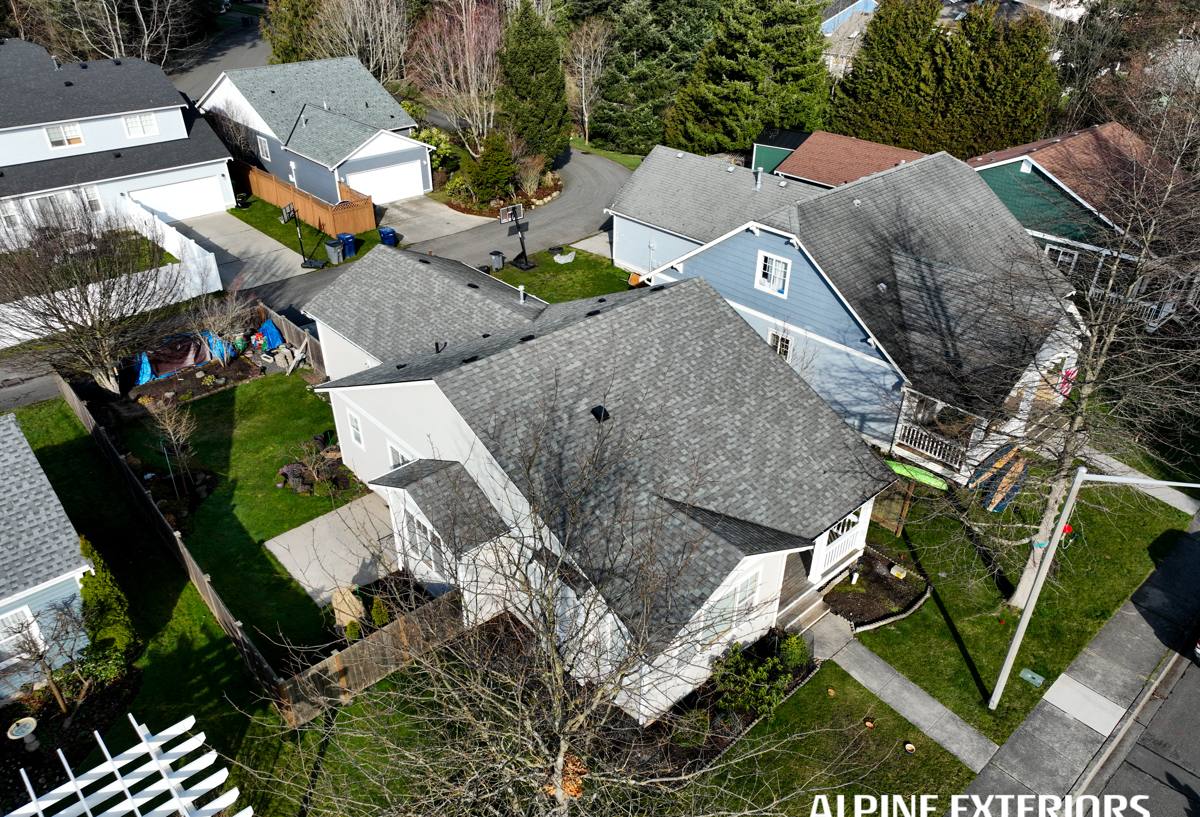
Parrish has grown fast, and a lot of that growth is roofs with very little tree canopy around them yet. New construction in open, cleared lots means wind hits these roofs directly, with none of the buffering that older, tree-lined neighborhoods closer to downtown Bradenton get. Add in the older farmhouses and ranch-style homes scattered through the area's more rural pockets, and you have a wide range of roof ages and conditions all exposed to the same Manatee County weather.
That weather is the real driver behind most of the repair calls we get. Hurricane-force gusts lift and stress shingles and flashing in ways a lot of homeowners don't notice until water shows up inside. Between storms, intense year-round UV bakes roofing materials and dries out sealants faster than in milder climates. Wind-driven rain finds its way under laps and around penetrations that would stay dry in a normal rainstorm. And even though Parrish sits a bit further inland than the beaches, salt-laden air still moves through the county and speeds up corrosion on fasteners, flashing, and metal roof components over time.
None of that means every roof in Parrish is in bad shape. It means storm damage here is usually a combination of one big event exploiting damage that was already building quietly for years. A proper repair has to address both.
What Actually Counts as Storm Damage
Not every roof issue after a storm is storm damage, and not every problem is visible from the ground. Here's how we sort it out.
Wind Damage
Wind lifts shingle tabs, breaks the seal strips that hold them flat, and can crease or fully tear shingles off in gusts. Even when shingles look intact from the driveway, lifted seals leave a roof vulnerable to the next rain event, wind event, or just ongoing UV exposure on exposed adhesive.
Wind-Driven Rain
This is the damage type most often missed. Rain pushed sideways by high winds can work under ridge caps, around vent boots, behind flashing, and through any gap that would never leak in a normal vertical downpour. The result is often a slow leak that shows up as a ceiling stain days or weeks after the storm has passed.
Impact Damage
Debris — branches, fence panels, patio furniture, even roof material from a neighboring structure — can bruise or puncture shingles and dent metal flashing or gutters. Hail is less common in this part of Florida than in some regions, but it does happen and can cause granule loss that shortens a shingle's remaining life even without a visible hole.
Pre-Existing Wear Exposed by the Storm
Sometimes a storm doesn't "cause" damage so much as it finishes off a roof that was already near the end of its service life — brittle shingles, rusted fasteners, or worn flashing that finally gave way under stress. This distinction matters for insurance purposes, and an honest contractor will tell you which category your roof falls into rather than calling everything storm-related.
What a Correct Storm Repair Actually Involves
A storm repair done right is more than swapping out the shingles you can see from the street. It means checking the whole system that keeps water out.
A Full Inspection, Not a Drive-By
We get on the roof, not just look at it from the ground. That means checking the field of the roof, all penetrations (vent boots, pipe collars, skylights if present), valleys, ridge lines, and the edges where wind uplift does the most damage. We also check the attic side when accessible, since water stains, damp insulation, or daylight through the decking tell us things the exterior won't.
Matching Materials, Not Just Covering the Gap
Patch repairs that don't match the existing shingle profile, color, or granule blend stand out and can affect how a future insurance claim is evaluated. Where an exact match isn't available because a shingle line has been discontinued, we'll tell you honestly and talk through the options rather than installing a visibly mismatched patch and calling it done.
Flashing and Sealant Get Replaced, Not Reused
Flashing around chimneys, walls, and roof-to-wall transitions takes the brunt of wind-driven rain. If it was compromised by the storm, we replace it rather than re-caulking over old metal — caulk is a temporary fix, not a repair, and it fails fastest in this climate's UV and heat cycles.
Fasteners Sized and Placed for Florida Wind Loads
Repairs are only as good as what's holding them down. We nail and fasten to current Florida Building Code wind-resistance patterns for the applicable wind zone, not just whatever the original installer used, especially on older homes that may predate current code.
How Our Process Works
- Inspection and documentation. We photograph and document the actual damage, on the roof, before any work starts.
- Honest scope of work. You get a written explanation of what's storm-related, what's pre-existing wear, and what we recommend — repair, partial replacement, or full replacement.
- Insurance coordination if needed. If you're filing a claim, we can walk your adjuster through our findings and provide documentation that matches what we found on the roof.
- The repair itself. Matched materials, correct fastening, proper flashing — done to code, not just to "stop the leak for now."
- Final walkthrough. We show you what was done and why, including anything we flagged for future attention even if it wasn't part of this repair.
Repair or Replace? What Actually Drives That Decision
Homeowners often ask us to just tell them a number before we've even looked at the roof. The honest answer is that the right call depends on a few specific factors, laid out below.
| Factor | Favors Repair | Favors Full Replacement |
|---|---|---|
| Age of roof | Under roughly half its expected lifespan | Nearing or past manufacturer's expected service life |
| Extent of damage | Isolated to one section or slope | Spread across multiple slopes or the whole roof |
| Shingle availability | Current product line still manufactured | Discontinued profile or color, no clean match |
| Underlying decking | Solid, dry, no rot found | Soft spots, rot, or water staining discovered underneath |
| Prior repair history | First storm-related repair | Multiple past patch repairs stacking up |
We'll walk you through where your roof lands on each of these before recommending a direction — not push replacement when a proper repair will genuinely hold up.
Working With Your Insurance Company
Storm claims move faster and smoother when the documentation is clear. We provide detailed photos and a written scope tied directly to what we found during inspection, which helps avoid the back-and-forth that happens when a claim is vague or when damage described doesn't match what's actually on the roof. We're not a public adjuster and won't promise a claim outcome, but we can make sure the roofing side of your claim is documented accurately.
Why a Crew That Already Works in Parrish Matters
Roofing crews that specialize in one-off storm chasing after big events tend to disappear once the immediate rush is over — which is a real problem if a repair fails or needs a warranty follow-up a year later. We work throughout Manatee County, including Parrish, on an ongoing basis, which means we're familiar with the county's permitting process, the mix of older and newer roof stock in the area, and the specific wind and rain exposure that comes with Parrish's more open, less tree-covered lots. That local familiarity shows up in faster, more accurate inspections and repairs that account for what this specific area's roofs actually deal with year to year.
After a Storm: A Quick Homeowner Checklist
- Check the attic (if safely accessible) for new water stains, damp insulation, or daylight through the roof deck
- Look for granules collecting in gutters or downspouts — a sign of shingle wear or impact damage
- Note any ceiling stains, even small ones, and when they first appeared
- Photograph visible exterior damage from the ground before any cleanup or tarping
- Avoid walking the roof yourself after a storm — wet or wind-loosened shingles are easy to damage further or slip on
- Get an inspection before deciding whether to file an insurance claim, so you know the real scope first
- Keep any receipts for emergency tarping or temporary repairs for your insurance file
If a recent storm has you wondering whether your roof needs attention, we're happy to take a look. We offer free, no-pressure estimates for homes in Parrish and throughout Manatee County — just fill out the form below and we'll get you scheduled.