 Bradenton Siding
 Why Siding in Bayshore Gardens Takes More Than a Standard Install
Bayshore Gardens sits in Manatee County just south of downtown Bradenton, close enough to Sarasota Bay and the surrounding waterways that salt-laden air reaches homes here even without direct beachfront. Add in Florida's intense year-round sun, the wind-driven rain that comes with any tropical system, and the hurricane-force gusts Manatee County plans for every storm season, and it's clear why siding here works harder than siding on a house a few hundred miles inland. Fiber cement siding is built to handle that kind of exposure better than most alternatives, but only when the product and the installation both account for what this specific climate actually does to a home's exterior over time.
This page covers what Bayshore Gardens homes need from fiber cement siding, what a correct installation looks like in this climate, and why the details of that installation matter as much as the material itself.
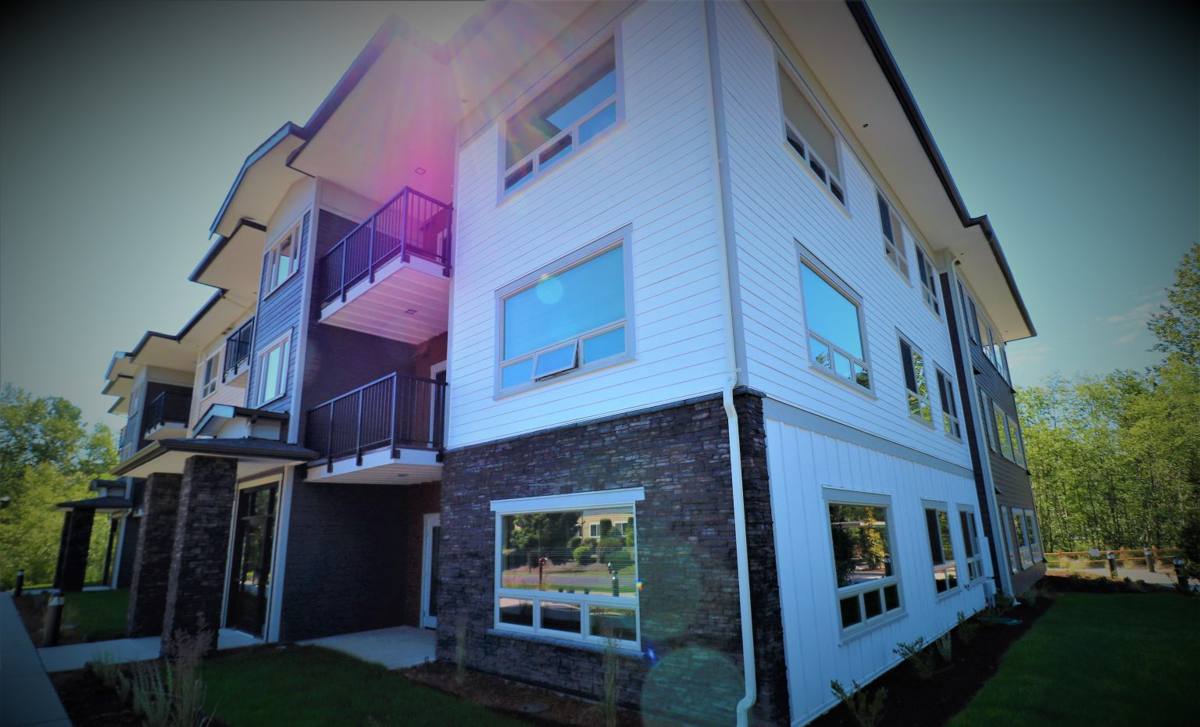
What This Climate Actually Does to Siding
Salt Air and Corrosion
You don't have to live directly on the water for salt air to be a factor. Bayshore Gardens' proximity to Sarasota Bay means salt-laden humidity moves through the area regularly, and it doesn't just affect the visible siding surface — it accelerates corrosion in fasteners, flashing, and any exposed metal trim. A fastener that starts corroding loses holding strength well before it looks obviously bad, which is part of why fastener choice matters as much as the siding product itself.
Year-Round UV
Florida gets some of the most intense and consistent UV exposure in the country, and siding takes that exposure on every wall that faces the sun for most of the day, most of the year. UV breaks down unstabilized finishes and lower-quality materials over time, causing fading, chalking, and in some cases warping. A finish engineered to resist UV holds its color and integrity for years longer than one that isn't.
Wind-Driven Rain
Rain that comes in sideways during a storm behaves differently than rain that falls straight down. It gets pushed up under laps, around trim, and into any gap in flashing or caulking that a calmer climate might tolerate. That's why the flashing and joint details behind fiber cement siding matter just as much as the visible surface — a good-looking installation can still let water in if those details are wrong.
Hurricane Wind Loads
Manatee County's building code accounts for hurricane-force wind as a real design condition, not a rare event. Siding has to be fastened to hold up under sustained high wind and wind gusts without lifting, cracking at the edges, or pulling loose from the wall — and that requirement doesn't ease up because a home sits a few miles from the water rather than right on it.
Why Fiber Cement Is the Right Material for This Climate
Fiber cement siding is made from a mix of cement, sand, and cellulose fibers, formed and cured into planks or panels. That composition makes it dimensionally stable — it doesn't expand, contract, warp, or rot the way wood does when humidity swings — and it's non-combustible, which matters to insurers and homeowners alike. It also holds paint and factory finishes better than wood over time, because it isn't absorbing and releasing moisture the same way a natural material does.
We install James Hardie fiber cement exclusively, and one reason is that Hardie engineers its siding specifically for the climate it's going into. Homes in Florida and along the Gulf Coast fall under Hardie's HZ10 configuration, built for hot, humid, high-moisture conditions — different from the HZ5 configuration used in colder, freeze-thaw climates further north. That's not a marketing distinction; it affects the product's moisture resistance and long-term performance in exactly the conditions Bayshore Gardens homes deal with. Combined with a factory-applied ColorPlus finish — baked on rather than field-painted — you get color retention and resistance to chipping and cracking that a job-site paint job can't consistently match.
What a Correct Fiber Cement Installation Involves Here
Fiber cement siding performs the way it's supposed to only when it's installed to spec, and a coastal-adjacent, high-wind climate leaves less room for shortcuts than a milder one does. A correct installation includes:
- A properly lapped and sealed weather-resistive barrier behind the siding, installed before a single plank goes up
- Correct flashing at every window, door, and roofline intersection, so wind-driven rain has nowhere to get behind the siding
- Corrosion-resistant fasteners, of the type and length Hardie specifies, driven at the correct spacing — not whatever a crew has on hand
- Proper clearance between the bottom of the siding and grade, roof lines, and decking, so water sheds away instead of wicking into the plank
- Factory or field-sealed cut edges, since an unsealed cut edge is the fastest way for moisture to get into the material
- Caulking and joint treatment that follows Hardie's application guidelines, not generic caulk applied wherever two pieces meet
- Fastener and nailing patterns sized for the wind zone the home sits in, not a one-size-fits-all schedule
None of these steps show up as a problem on day one. They show up years later, as a soft spot at a window corner, a stained plank where water's been getting behind it, or siding that's lifted at the edge after a windstorm. A correct install costs the same in materials and only a little more in labor — the difference is entirely in how the crew does the job.
Our Process for a Bayshore Gardens Siding Project
We start with a site visit to look at what's actually going on with the existing siding — whether it's original material that's reached the end of its service life, wood that's showing rot, or an early-generation product that's simply worn out. Many homes in Bayshore Gardens are older, and it's common to find moisture damage or deteriorated sheathing hiding behind siding that still looks passable from the curb, so a real assessment matters more than a quick estimate from the driveway.
From there we walk through product options — lap profile widths, panel siding for accent areas, trim details, and ColorPlus color selection — based on the home's style and what will hold up best against its specific sun and wind exposure. We handle the Manatee County permitting process, since fastening and wind-load requirements are tied to code, not a suggestion. Installation follows the sequence above: barrier and flashing first, then siding, trim, and caulking to spec, with a final walkthrough so you know exactly what was installed and what warranty coverage applies.
What Drives the Cost of a Fiber Cement Siding Job
| Factor | Why It Matters | Impact on Cost |
|---|---|---|
| Tear-off vs. install over existing | Removing old siding often reveals sheathing or moisture issues that need repair first | Higher if repair is needed, but skipping it just hides a problem |
| Siding profile and trim complexity | Multiple lap widths, board-and-batten accents, or detailed trim take more labor than a single flat profile | Moderate to significant increase |
| Home size and wall area | More square footage means more material and labor, scaling fairly directly | Direct and predictable |
| Color and finish choice | Factory ColorPlus finishes cost more upfront than field-primed siding painted after install, but avoid repainting for years | Slightly higher upfront, lower long-term cost |
| Wind-zone fastening requirements | Correct fastener spacing and type for Manatee County's wind zone takes more labor than a minimal install | Built into a correct quote, not optional |
Any of these can shift a project's price meaningfully, which is why a firm number only comes after an actual look at the home rather than a phone estimate.
Maintenance Fiber Cement Siding Still Needs in This Climate
Fiber cement is low-maintenance compared to wood, not maintenance-free — especially with the salt air and storm exposure Bayshore Gardens sees. A few habits go a long way:
- Rinse the siding periodically to clear salt residue, pollen, and organic buildup before it stains the finish
- Check caulking at trim, windows, and joints once a year, and again after any major storm, for cracking or gaps
- Look at fastener heads and any exposed metal trim for early corrosion, particularly on walls that face the water
- Keep landscaping trimmed back from the siding so moisture and debris don't collect against it
- Address any soft spots, staining, or bubbling paint right away — those are usually signs of moisture getting in behind the siding, not just cosmetic wear
Why It Matters That We Already Work in Bayshore Gardens
A crew that mostly works other parts of the county can still install fiber cement siding competently, but a neighborhood like Bayshore Gardens has patterns that show up more here than elsewhere — a mix of older homes with original siding at or past its service life, proximity to the bay that puts salt exposure into the equation even for homes that aren't waterfront, and Manatee County permitting and wind-load requirements that apply the same way whether a house sits on the water or a few blocks back from it. Working in this community regularly means we're not guessing at what's behind a wall that's been there for decades or learning local permitting requirements mid-project. We've seen what actually holds up here over years, not just what looks good on install day.
Get a Straight Answer About Your Siding
Whether your current siding is showing its age, you're dealing with a specific problem area, or you just want an honest read on what a fiber cement siding project would involve on your Bayshore Gardens home, we're glad to take a look and walk you through the options plainly. Reach out below for a free, no-pressure estimate.