 Bradenton Siding
 Why Roofs in Bradenton Beach Wear Out Faster Than Inland Homes
Bradenton Beach sits right on the water in Manatee County, and that barrier-island location puts a roof through more punishment than a home even a few miles inland. Salt-laden air corrodes exposed fasteners, drip edge, and flashing years before it would on an inland roof. Wind off the Gulf loads shingles and tile with constant uplift pressure, not just during named storms but on ordinary blustery afternoons. Add in some of the most intense, near-daily UV exposure in the country, and asphalt shingles here dry out and lose granules faster than the same product installed in a shadier, cooler climate. Wind-driven rain is the fourth factor, and it's the one most homeowners underestimate — a roof doesn't have to lose shingles to leak. Rain pushed sideways by strong wind finds its way under lifted tabs, through old nail penetrations, and around flashing that's just starting to separate.
None of this means a Bradenton Beach roof is doomed to fail early. It means the materials, fastening methods, and underlayment choices that work fine elsewhere in the state aren't automatically the right call this close to the water. A replacement done with that in mind will consistently outlast one that treats this like any other Florida roof.
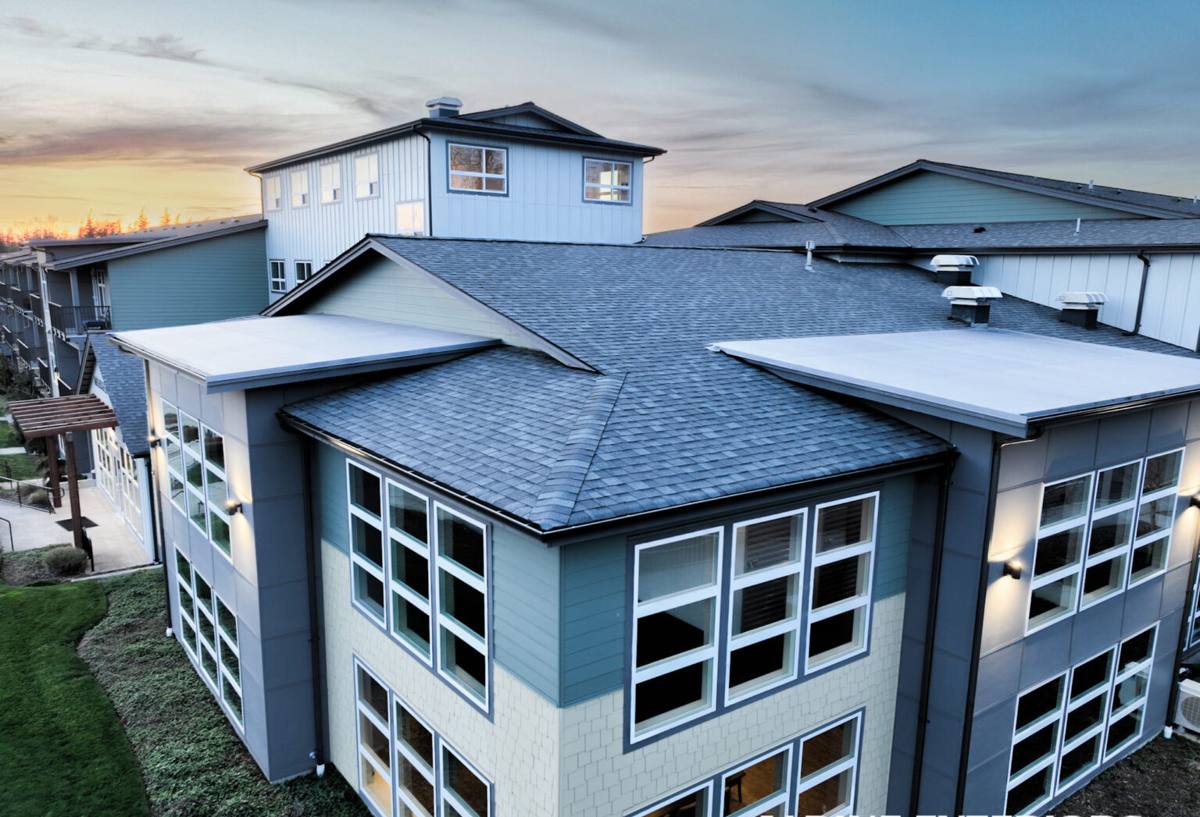
Signs a Roof Needs Full Replacement, Not Another Repair
Repairs make sense when a roof has isolated damage on an otherwise sound system. Replacement becomes the honest recommendation when the roof's underlying materials — decking, underlayment, and flashing system — are failing as a whole, not in one spot. Here's what we look for during an inspection to make that call:
- Granule loss heavy enough that you can see bare, shiny patches on multiple shingles, not just one or two
- Shingles that are curling, cupping, or cracking across large sections of the roof rather than an isolated area
- Soft spots or visible sagging in the roof deck when walked, which points to moisture damage under the surface
- Repeated leaks in different locations after previous patch repairs
- Flashing around chimneys, vents, or roof-to-wall transitions that's rusted, lifted, or missing sealant
- A roof approaching or past the manufacturer's expected service life for its material and this climate
- Visible daylight through the roof deck from the attic, or damp, discolored insulation
If only one or two of these show up in a single area, a targeted repair is usually the right and more affordable move. When several show up across the roof, patching becomes a short-term fix that costs money now and again in a year or two.
What a Correct Roof Replacement Actually Involves
Tear-Off and Deck Inspection
Every legitimate replacement starts with a full tear-off down to the deck. Roofing over existing layers hides the condition of the deck and traps moisture that's already there. Once the old material is off, we inspect every sheet of decking for soft spots, delamination, and rot, and replace any that fail — this is a standard part of the job, not an upsell, and it's the single biggest factor in how long the new roof will actually last.
Underlayment and Water Barrier
This layer matters more here than almost anywhere else in the state. Given wind-driven rain off the Gulf, we use a synthetic underlayment rated for high-wind exposure, and in vulnerable areas — valleys, eaves, and around penetrations — a self-adhering peel-and-stick membrane that seals around nail penetrations instead of relying on the nail head alone.
Flashing
Flashing around chimneys, skylights, vent pipes, and roof-to-wall intersections is where most leaks actually originate, not in the field of the shingles. We install new metal flashing rather than reusing or caulking over old pieces, since salt air corrosion isn't always visible from the surface.
Field Material Installation
Shingles, tile, or metal panels go down per the manufacturer's high-wind installation specification — that means correct nail placement and count, not just "enough nails," plus proper starter strip and ridge cap installation. Wind-rated installation is a specific method, and it's the difference between a roof that meets its wind rating on paper and one that actually holds up in real coastal wind.
Ventilation
A hot, poorly ventilated attic shortens shingle life and can void manufacturer warranties. We check intake and exhaust ventilation balance during replacement and correct it when the existing setup is inadequate.
Choosing a Roofing Material for a Barrier-Island Home
There's no single "best" material for Bradenton Beach — the right choice depends on your home's structure, your budget, and how much long-term maintenance you're willing to take on. Here's an honest comparison of the main options for this environment:
| Material | Typical Wind Rating | Salt-Air Durability | Expected Lifespan Here | Maintenance Load |
|---|---|---|---|---|
| Architectural Asphalt Shingle | Up to 130 mph when rated and installed correctly | Moderate — fasteners and flashing are the weak point | 15-20 years | Low to moderate |
| Standing Seam Metal | 140+ mph with proper fastening | Strong, especially with coastal-grade coatings | 30-45 years | Low |
| Concrete or Clay Tile | High, but only as good as the fastening system beneath it | Very good for the tile itself; underlayment is the failure point | 30-50 years for tile; underlayment needs replacement sooner | Moderate — occasional tile replacement, underlayment service |
We're upfront about trade-offs. Tile looks great and lasts a long time, but its lifespan is really the lifespan of the underlayment underneath it, which typically needs attention well before the tile itself does. Metal costs more upfront but tends to be the lowest-maintenance option long-term in a salt-air environment. Asphalt shingle remains the most budget-friendly choice and, installed correctly, performs well here — it's just not a "set it and forget it" material this close to the water.
Wind Rating and Code Requirements That Apply Here
Manatee County follows the Florida Building Code, and coastal locations like Bradenton Beach fall under wind design requirements that are stricter than inland construction. Practically, that means:
- A permit and inspection are required for a full roof replacement — this isn't optional paperwork, it protects you if a future insurance claim or home sale requires proof of code-compliant work
- Roofing materials must carry a wind rating appropriate to the local design wind speed
- A secondary water barrier is generally required as part of the underlayment system, specifically because wind-driven rain can penetrate even an intact shingle field
- Fastening schedules (nail count and placement) are specified by code and by the manufacturer, not left to installer discretion
A contractor cutting corners on any of these isn't just risking a failed inspection — they're risking your ability to file an insurance claim cleanly down the road, since claims adjusters look for code-compliant, permitted work.
How Our Replacement Process Works
- Inspection and honest assessment — we evaluate the deck, flashing, ventilation, and current material condition, and tell you plainly whether you need a replacement or a repair.
- Material selection and proposal — we walk through options suited to your home and budget, with real trade-offs explained, not just a single quote.
- Permitting — we pull the required Manatee County permit before work begins.
- Tear-off and deck repair — full removal of old material, deck inspection, and replacement of any compromised sheathing.
- Underlayment and flashing installation — wind-rated synthetic underlayment, peel-and-stick membrane in vulnerable areas, and new flashing throughout.
- Material installation — installed to the manufacturer's high-wind specification, not a generic install pattern.
- Final inspection and cleanup — county inspection sign-off, magnetic nail sweep of the property, and a walkthrough with you before we consider the job done.
What Actually Drives the Cost of a Roof Replacement
Every roof is different, and we won't quote a number without seeing yours, but these are the factors that move the price up or down:
| Factor | Why It Matters |
|---|---|
| Roof size and pitch | More square footage and steeper pitches mean more material and labor time |
| Material choice | Asphalt shingle, metal, and tile carry very different material and labor costs |
| Deck condition | Rotted or delaminated sheathing found during tear-off requires replacement before new material goes on |
| Number of existing layers | Removing multiple old layers takes more labor than a single-layer tear-off |
| Roof complexity | Valleys, dormers, skylights, and multiple penetrations all add flashing and labor time |
| Underlayment upgrade | Full peel-and-stick coverage costs more than standard synthetic underlayment but adds real wind and water protection here |
Broadly, a straightforward asphalt shingle replacement on a typical home costs less than a metal or tile roof of the same size, but the honest comparison has to include expected lifespan and maintenance, not just the upfront number.
Why Hiring a Crew That Already Works Bradenton Beach Matters
Barrier-island roofing isn't the same job as an inland re-roof, and a crew that mostly works inland neighborhoods doesn't always adjust for that automatically. Working in Bradenton Beach regularly means we already default to coastal-grade fasteners instead of standard ones, we know which underlayment upgrades are worth the cost here versus optional, and we're used to Manatee County's permitting and inspection process for coastal properties. That familiarity shows up in fewer surprises during the job and a roof that's actually built for the environment it's going on, not a generic installation with a coastal home attached to it.
If your roof is showing its age, or you just want a straight answer about repair versus replacement, we're happy to take a look. Reach out for a free, no-pressure estimate — use the form below to get started.