 Bradenton Siding
 Siding Installation Built for Palmetto's Waterfront Climate
Palmetto sits right on the Manatee River where it opens into Tampa Bay, which means homes here take a harder hit from the weather than properties just a few miles inland. Between the salt-laden air rolling off the water, the wind-driven rain that comes with every summer storm, and sun exposure that runs nearly year-round, the siding on a Palmetto home is doing real work every single day. When we talk about siding installation for this area, we're not talking about a cosmetic upgrade. We're talking about the single largest piece of weatherproofing your house owns.
This page focuses specifically on what siding installation looks like for homes in and around Palmetto — what the local climate demands, what a correct installation actually involves, and why we standardized on one product system instead of offering a menu of options.
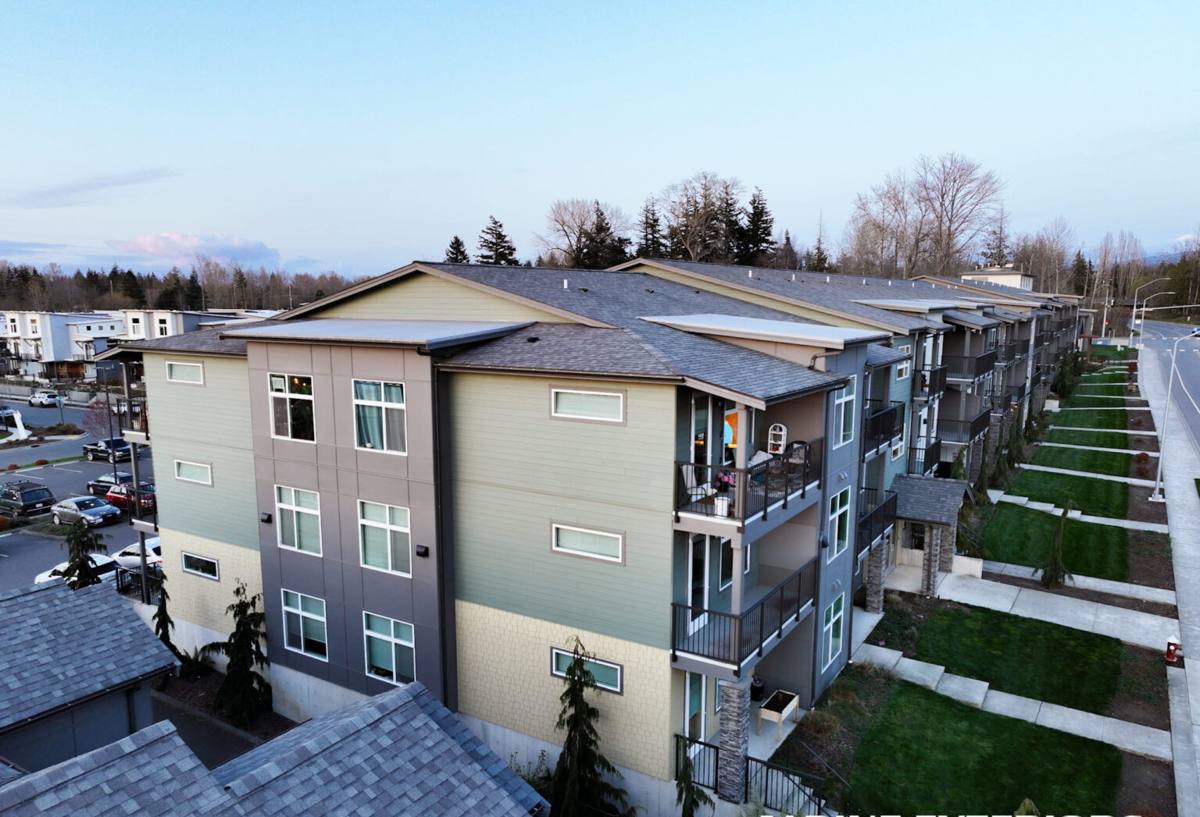
What Palmetto's Climate Actually Demands From Your Siding
Manatee County sits squarely in a hurricane-exposed corridor, and Palmetto's proximity to open water means wind loads and wind-driven rain hit harder here than they do further inland. Add in the salt air common to any Gulf Coast or bay-adjacent community, and you've got a combination that punishes weak materials fast. Here's what that combination actually does to a home's exterior over time:
- Hurricane-force wind gusts test every fastener, seam, and panel edge — siding that isn't installed to manufacturer spec becomes the first thing to fail in a storm.
- Wind-driven rain doesn't fall straight down — it gets pushed sideways and upward under laps and around trim, which means the water-resistive barrier and flashing details behind the siding matter as much as the siding itself.
- Intense, near-constant UV exposure breaks down paint film and cheaper coatings, leading to fading, chalking, and eventually cracking on materials not engineered for this level of sun.
- Salt air accelerates corrosion of fasteners and hardware, and it degrades organic materials — like wood and wood-based composites — faster than it does in drier, inland climates.
Any siding installed on a Palmetto home has to be rated for this environment, and it has to be installed by a crew that understands the difference between a product that's rated for the climate on paper and an installation that's actually sealed and fastened correctly for it.
Why We Install Only James Hardie Fiber Cement Siding
We made a decision as a company to install James Hardie fiber cement exclusively — not vinyl, not LP SmartSide, not primed wood, not other fiber cement brands. That's a narrower offering than most siding contractors provide, and we think that's the point.
Fiber cement is non-combustible and dimensionally stable, meaning it doesn't expand, contract, warp, or rot the way wood-based products can in high-humidity, high-salt environments. James Hardie's HardieZone system specifically engineers different formulations for different climate zones, and Florida's Gulf Coast falls into the HZ5 zone — designed around moisture and humidity resistance rather than the freeze-thaw concerns that drive Northern climate formulations. That's a meaningful distinction for a home a few blocks from the Manatee River.
Hardie's ColorPlus factory-applied finish is baked on and cured in a controlled environment rather than field-painted, which gives it more consistent UV resistance than site-applied paint. It also carries a transferable limited warranty, which matters if you plan to sell the home down the road. We're not saying every other siding product is unusable — vinyl, wood, and other composites all have legitimate use cases elsewhere. We're saying that for the specific combination of wind, salt, sun, and moisture that Palmetto homes face, we don't think those trade-offs make sense, and we'd rather put one product on your home that we can stand behind completely than offer a menu of compromises.
What a Correct Siding Installation Involves
Fiber cement siding is only as good as the installation behind it. A huge share of the siding failures we get called out to inspect trace back not to the material, but to shortcuts taken during the original install. Here's what we consider non-negotiable.
Tear-Off and Substrate Inspection
Before any new siding goes up, the old siding comes off and the sheathing underneath gets inspected. In a coastal, humid climate like this, hidden moisture damage or rot behind old siding is common, and it needs to be found and repaired before you cover it back up — not buried under a fresh layer.
Water-Resistive Barrier and Flashing
This is the layer that actually keeps water out of your wall assembly, and it's invisible once the job is done — which is exactly why it's the step corners get cut on most often. Given how much wind-driven rain this area sees, proper house wrap, correctly lapped and taped seams, and flashing at every window, door, and penetration are what separate a siding job that survives storm season from one that doesn't.
Fastening to Manufacturer and Wind-Zone Spec
James Hardie publishes specific fastener patterns and spacing requirements, and those requirements get more aggressive in high-wind zones like coastal Manatee County. Using the right fastener type, corrosion-resistant hardware (critical given the salt air), and correct spacing isn't optional — it's the difference between siding rated to withstand hurricane-force gusts and siding that just looks like it is.
Joints, Caulking, and Clearances
Butt joints need to be properly flashed or caulked with a high-quality, paintable sealant rated for exterior use, and siding needs proper clearance from the ground, roofline, and any hard surfaces to prevent moisture wicking. Skipping these details is invisible on installation day and expensive two or three years later.
Our Installation Process, Step by Step
- On-site assessment — we walk the home, evaluate the existing siding and substrate condition, and take accurate measurements.
- Detailed, written estimate — covering material, labor, tear-off, any substrate repair, and trim work, so there are no surprises mid-project.
- Substrate prep and repair — addressing any rot, moisture damage, or sheathing issues found during tear-off before new material goes up.
- Water-resistive barrier and flashing installation — the weatherproofing layer that does the real work.
- James Hardie panel or plank installation — installed to manufacturer spec and wind-zone fastening requirements.
- Trim, caulking, and final detailing — the finish work that determines how clean the job looks and how well it seals.
- Final walkthrough — we go over the completed work with you before considering the job done.
Cost Factors for Siding Installation in Palmetto Homes
Every home is different, and we don't publish fixed pricing because square footage, existing substrate condition, trim complexity, and story count all move the number. What we can walk through are the factors that most affect cost on a typical siding installation project in this area:
| Factor | Why It Affects Cost |
|---|---|
| Home size and story count | More surface area and second-story access both add material and labor time |
| Substrate condition | Rot or moisture damage found during tear-off requires repair before new siding goes on |
| Siding profile chosen | Lap siding, panel systems, and shingle-style profiles all have different material and labor costs |
| Trim and architectural detail | Homes with more windows, corners, and trim features take more time to detail correctly |
| Old siding removal and disposal | Full tear-off of existing material adds labor and disposal costs versus new construction |
The only way to get an accurate number is a site visit — we'll never quote a Palmetto siding job over the phone with any real confidence, and you should be skeptical of any contractor who does.
Signs Your Palmetto Home May Need New Siding
Coastal conditions age siding faster than inland climates, so it's worth checking your home's exterior periodically rather than waiting for an obvious failure. Watch for:
- Visible warping, buckling, or gaps between siding panels or planks
- Soft or spongy spots when pressed, which can indicate moisture intrusion behind the surface
- Persistent staining, streaking, or discoloration that doesn't clean off
- Cracking or chipping, especially around butt joints and corners
- Rising energy bills that may point to a compromised weather barrier
- Peeling or bubbling paint on wood-based or previously painted siding
- Visible fastener corrosion or rust streaking, common in salt-air environments
If you're seeing more than one of these, it's worth having someone take a real look rather than assuming it's cosmetic.
Why a Crew That Already Works in Palmetto Matters
Wind-load requirements, permitting, and inspection expectations in Manatee County reflect the region's hurricane exposure, and a crew that already works in this specific area has already navigated that process repeatedly. That familiarity shows up in practical ways — knowing which fastening details local inspectors check closely, understanding how salt air and humidity behave differently a few blocks from the water versus further inland, and having a realistic sense of how storm season should shape project scheduling. A contractor unfamiliar with this specific coastal micro-climate is more likely to treat your home like a generic install rather than one that needs to be built for the Manatee River waterfront.
Ready for an Honest Look at Your Siding?
If your Palmetto home's siding is showing its age, or you're planning ahead for a replacement, we're happy to come take a look and give you a straightforward, no-pressure estimate. Fill out the form below to get started.