 Bradenton Siding
 Why Rosedale Homes Need a Metal Roof Built for This Climate
Rosedale sits inside Manatee County, close enough to the Gulf that every roof on every street is dealing with the same three enemies: wind, sun, and salt. A metal roof can handle all three better than most other roofing materials, but only if it's designed and installed with this specific climate in mind. A metal roof installed the way it would be in a drier, calmer part of the country will not hold up the same way here.
The wind load in this part of Florida is real, not theoretical. Tropical storms and hurricane-force gusts test every fastener, seam, and edge detail on a roof, sometimes more than once in a single season. Add in near year-round UV exposure that breaks down cheaper coatings over time, and wind-driven rain that finds any gap in flashing or underlayment, and you end up with a short list of things that actually matter: fastening method, panel gauge, sealant quality, and flashing detail. Everything else is secondary.
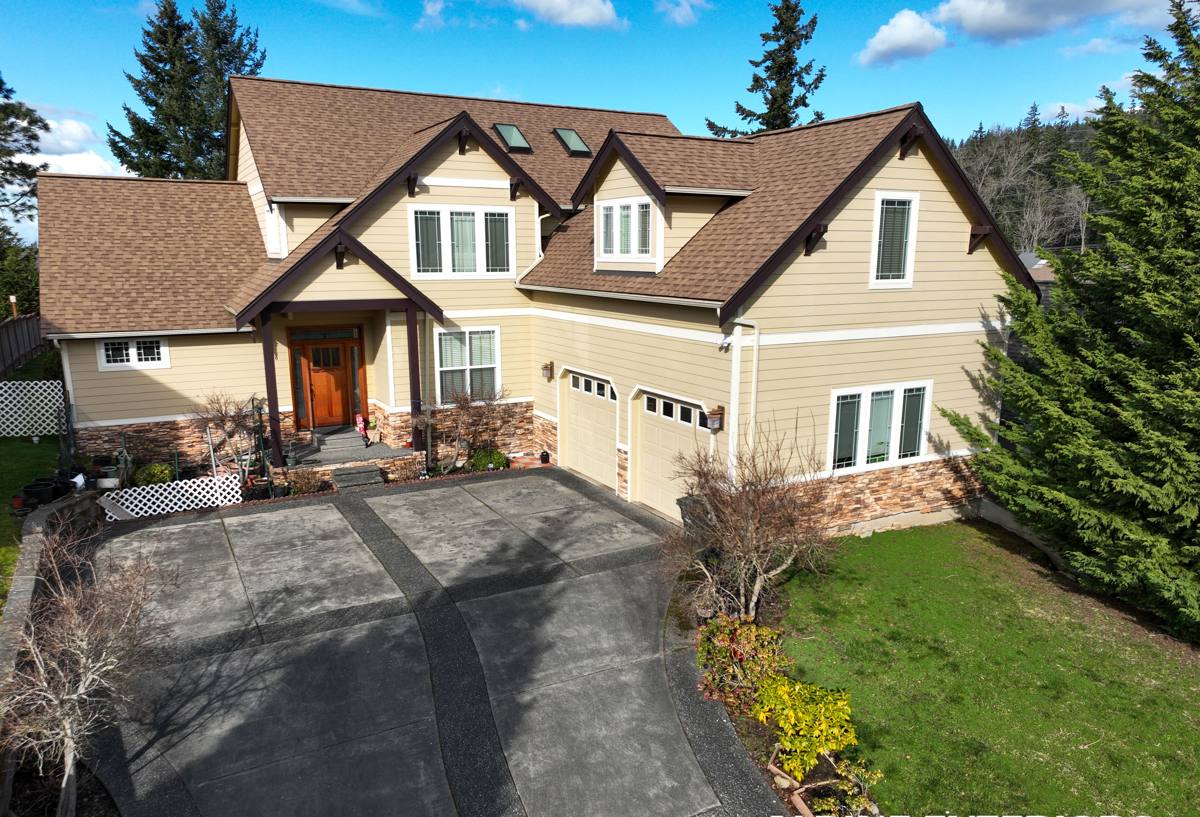
What "Correct" Metal Roofing Looks Like in Manatee County
A correct metal roof installation in this area starts before the first panel goes down. It means the right underlayment for our humidity and heat, fasteners and clips rated for our wind zone, and flashing details built to shed wind-driven rain instead of just regular rain. It also means respecting the local building code, which in Manatee County reflects Florida's high-velocity wind standards even outside the officially designated HVHZ counties further south.
We treat every Rosedale metal roof as a system, not a stack of parts. The panels get most of the attention because they're what you see, but the underlayment, flashing, fasteners, and ventilation are what actually determine whether the roof performs in a storm and ages well in the sun. Skipping or cheapening any one of those pieces shows up later as a leak, a lifted panel, or premature coating failure.
The Non-Negotiables
- Wind-rated fastening or clip system matched to the panel profile, not a generic fastener pattern
- A self-adhering, high-temperature underlayment at eaves, valleys, and penetrations
- Closed-cell or properly vented ridge details that keep wind-driven rain out without trapping heat
- Butyl or approved sealant at every lap, penetration, and flashing joint — not just caulk
- Flashing formed and installed to shed water at valleys, walls, and chimneys, not just laid flat and sealed
Panel Types and Fastening Systems
Not every metal roof is the same product wearing a different color. The two main categories homeowners in Rosedale ask us about are exposed-fastener panels and standing seam systems, and the right choice depends on budget, roof pitch, and how long you want to go between maintenance checks.
| Factor | Exposed-Fastener Panels | Standing Seam |
|---|---|---|
| Fastener exposure | Screws visible on panel face | Fasteners hidden under interlocking seam |
| Wind performance | Good when installed correctly, more failure points | Fewer penetrations, generally stronger wind uplift resistance |
| Maintenance | Screw gaskets need periodic inspection and occasional re-torque | Minimal ongoing maintenance |
| Upfront cost | Lower | Higher |
| Typical lifespan | 25-40 years with maintenance | 40-60+ years |
| Best fit | Budget-conscious projects, secondary structures | Primary residences, coastal exposure, long-term ownership |
Both systems can be a good decision when matched correctly to the home. Exposed-fastener panels aren't a lesser product — they're a different trade-off, lower cost against slightly more upkeep. What we won't do is install exposed-fastener panels on a low-slope section where water can pool near the fasteners, or use a fastening pattern that isn't rated for our local wind exposure just to save time.
Our Rosedale Metal Roofing Process
Inspection and Measurement
We start on the roof, not with a sales pitch. That means checking the existing deck condition, roof pitch, penetrations, and any problem areas — valleys, chimney flashing, low-slope transitions — before we talk about panel choice. A metal roof is only as good as the deck and flashing underneath it.
Tear-Off and Deck Prep
Old roofing comes off down to the deck so we can actually see what we're working with. Soft, water-damaged decking gets replaced, not covered up. This is the step that gets skipped on rushed jobs, and it's the one that causes problems years later when nobody can see it anymore.
Underlayment and Flashing
Self-adhering underlayment goes down at eaves, valleys, and around every penetration, with standard underlayment across the field of the roof. New flashing gets formed and installed at walls, chimneys, and valleys rather than reusing old flashing or relying on sealant to make up for a poor fit.
Panel Installation
Panels are installed with the fastening or clip system specified for that panel profile and our wind zone, working from a chalk line to keep runs straight. Any field cuts get treated edges to prevent premature rust at the cut line, which is one of the most common shortcuts we see on other contractors' work.
Final Walkthrough
We walk the finished roof, check every penetration and flashing point, clean up the site, and go over the details of what was installed so you know exactly what's on your house and how to maintain it.
Ventilation, Underlayment, and Flashing Details That Matter
Ventilation is one of the most overlooked parts of a metal roof in Florida. Without proper intake and exhaust airflow, heat and moisture build up in the attic space, which can shorten the life of the decking and undermine the roof from the inside even if the metal itself is holding up fine. We size ridge and soffit ventilation to the attic, not to a generic rule of thumb, because a two-story home with a complex roofline moves air differently than a simple ranch layout.
Flashing deserves the same attention. Around here, wind-driven rain doesn't fall straight down — it comes in sideways during a storm and finds any place where flashing was bent to fit instead of fabricated to fit. That's why we form flashing on site to match the actual roof geometry rather than pulling a stock piece off the shelf and forcing it into place.
Metal Roofing and Local Wind Codes
Manatee County enforces Florida Building Code wind provisions that account for our exposure to tropical systems. That means product approval numbers, fastening schedules, and uplift ratings aren't optional paperwork — they're what determines whether a roof is actually built to survive the wind speeds this area sees. We pull permits and install to the fastening schedule required for the specific panel and wind zone, not a generic pattern that happens to look similar.
This also matters for insurance. Many carriers offer credits for wind-mitigation features on a metal roof, and having documentation that the roof was installed to code with the correct fastening and flashing can make that process easier when you file for those credits or need to make a claim after a storm.
Maintenance and Longevity
A well-installed metal roof in this climate is low-maintenance, not no-maintenance. Salt air, intense UV, and wind events all put ongoing stress on any roofing material, and a little attention goes a long way toward getting the full lifespan out of the system.
- Rinse accumulated salt residue and debris off the roof surface periodically, especially after storms
- Keep gutters and valleys clear so water isn't sitting against panel edges or flashing
- After any major wind event, do a visual check for lifted panels, loose fasteners, or displaced flashing
- Trim overhanging branches that can scratch coatings or drop debris into valleys
- Have fastener gaskets on exposed-fastener systems checked every few years, since gaskets age faster than the metal itself
Keeping up with these basics is what separates a metal roof that reaches the top of its lifespan range from one that needs early repairs.
What Drives the Cost of a Rosedale Metal Roof
Every metal roof quote is different because every roof is different, but the same handful of factors move the price up or down on almost every job we look at in this area.
| Cost Factor | Why It Matters |
|---|---|
| Panel type and gauge | Standing seam and heavier gauges cost more upfront but need less maintenance |
| Roof complexity | Valleys, dormers, and multiple pitches mean more flashing and labor |
| Deck condition | Rotten or soft decking found at tear-off adds replacement cost, but it's not optional |
| Underlayment spec | Full self-adhering underlayment costs more than standard, but performs better in wind-driven rain |
| Ventilation upgrades | Adding or correcting ridge/soffit ventilation protects the whole roof system |
| Access and roof height | Steep or hard-to-access roofs take longer and require more safety equipment |
We'd rather walk you through these factors honestly during the estimate than give you a number that doesn't reflect what your roof actually needs.
Why a Crew That Already Works Rosedale Matters
Roofing crews that work regularly in this part of Bradenton understand something that outside contractors often don't: how the local wind exposure, roof styles, and permitting process here actually work together. That familiarity shows up in small decisions — how flashing gets detailed at a valley, which fastening schedule gets specified, how ventilation gets sized — that add up to a roof that performs the way it's supposed to when a storm actually comes through.
It also means faster response if something ever does need attention after a storm, because we're not driving in from another county to look at a problem. We're already familiar with the kinds of homes and roof configurations common to this community, which makes the whole process, from estimate to final walkthrough, more straightforward.
Ready for an Honest Look at Your Roof?
If you're weighing metal roofing for your Rosedale home, we're happy to come take a look, walk you through what your specific roof needs, and give you a straightforward, no-pressure estimate. Use the form below to get started.