 Bradenton Siding
 Southgate Roofs Take a Beating That Inland Roofs Don't
Southgate is one of Bradenton's older, established neighborhoods, which means most of the homes here are carrying roofs that were installed decades ago under a very different set of expectations than what Manatee County weather actually delivers today. A roof in this part of Florida isn't just shedding rain — it's absorbing direct, near-constant UV exposure, taking wind-driven rain sideways during summer storms, and slowly losing granules and adhesive strength to salt-laden air that drifts in off Tampa Bay and the Gulf. None of that shows up overnight. It shows up as a roof that looks fine from the street but is quietly failing underneath.
When we install a new roof in Southgate, we're not just matching a shingle color or meeting a permit checklist. We're building a roof system that has to survive hurricane-force wind gusts, hold its seal through repeated thermal cycling in Florida's heat, and keep doing that for fifteen, twenty, thirty years without babysitting. That's a different job than a "roof replacement" done somewhere with mild weather, and it should be treated that way from the first estimate.
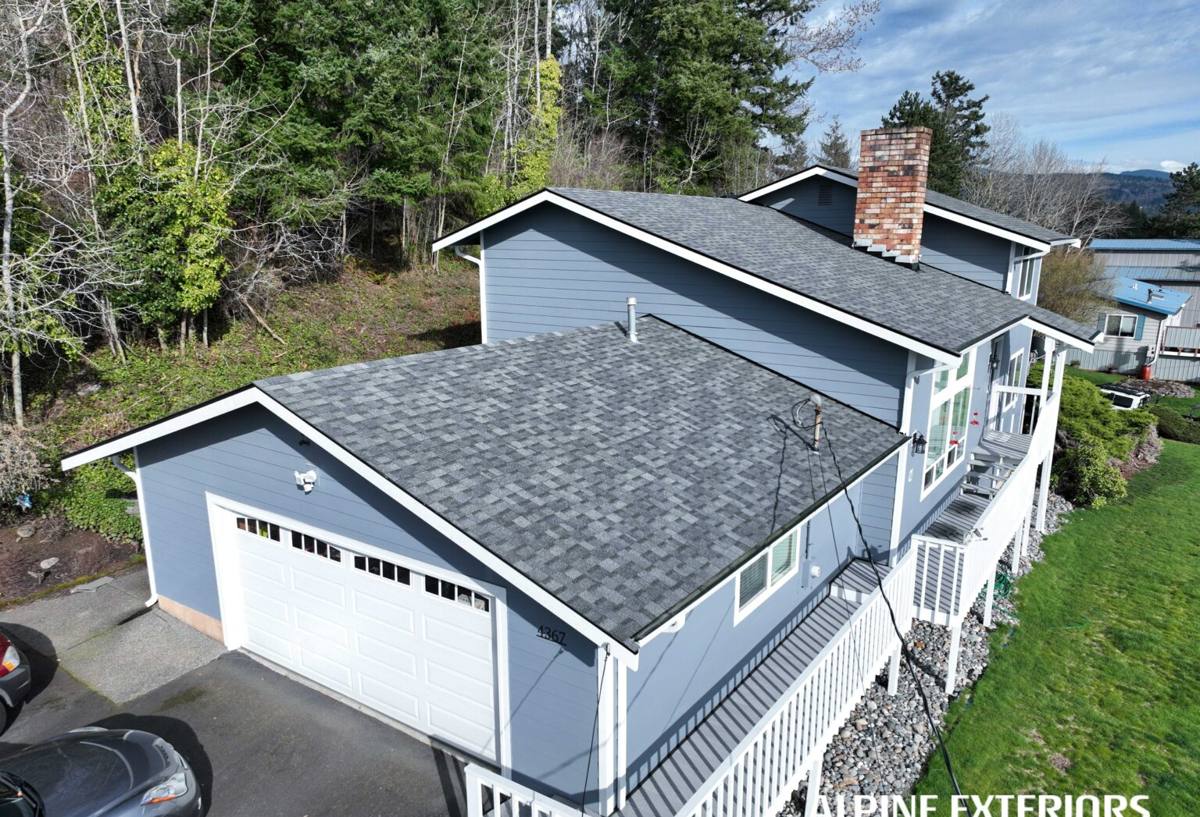
What Southgate Homes Actually Need From a New Roof
Wind Resistance That Matches Real Local Exposure
Manatee County sits inside Florida's High-Velocity Hurricane Zone influence area, which means local building code isn't a formality — it reflects genuine wind risk. A correctly installed roof needs wind-rated shingles or panels, the right nailing pattern (not just the right number of nails, but correct placement per manufacturer spec), and properly sealed edges and ridges where wind uplift does the most damage. Roofs fail at their edges and penetrations far more often than in the open field, so that's where sloppy installation shows up first during a storm.
UV and Heat Tolerance
Year-round sun exposure ages roofing materials faster here than in most of the country. Lower-grade shingles lose granules and become brittle years ahead of schedule. Underlayment quality matters more in this climate too — a roof deck baking under a Florida sun needs an underlayment that won't degrade or turn brittle before the shingles above it are due for replacement.
Moisture Management
Wind-driven rain doesn't behave like a normal rainstorm — it gets pushed sideways and upward under shingle edges, around flashing, and into any gap that wasn't sealed correctly. Proper flashing at every roof-to-wall transition, vent pipe, and valley isn't optional detail work; it's the difference between a roof that sheds a hurricane and one that leaks through the ceiling during the next tropical storm.
What a Correct Installation Actually Involves
A lot of what makes a roof last isn't visible once it's finished, which is exactly why it gets skipped by crews trying to move fast. A proper installation includes:
- Full tear-off and inspection of the roof deck — not roofing over existing layers
- Repair or replacement of any deteriorated or delaminated decking before new material goes down
- Correct underlayment installation, lapped and fastened to manufacturer spec, not just rolled out
- Proper drip edge and starter strip along all eaves and rakes
- Manufacturer-specified nailing pattern and fastener count for the local wind zone
- New flashing at every wall transition, chimney, skylight, and vent penetration — reused flashing is a common shortcut and a common leak source
- Ridge and hip ventilation sized correctly for the attic space
- Final inspection against county permit requirements before close-out
Skipping any one of these doesn't necessarily cause a problem in year one. It shows up in year five or six, or during the first serious storm the roof has to face — which in this area isn't a hypothetical.
Choosing a Roofing System for a Southgate Home
There's no single "best" roofing material for every house — it depends on your roof's pitch, your home's structure, your budget, and how long you plan to stay in the home. Here's how the common options compare for this climate:
| Material | Wind Performance | UV/Heat Durability | Typical Lifespan Here | Maintenance |
|---|---|---|---|---|
| Architectural asphalt shingles | Good, with proper nailing and wind-rated product | Moderate — quality varies widely by product line | 15–25 years | Low to moderate |
| Metal roofing | Excellent | Excellent — reflects heat, doesn't granule-shed | 30–50 years | Low |
| Concrete/clay tile | Very good when properly fastened | Excellent | 30–50 years | Moderate — underlayment beneath tile still ages and needs eventual attention |
| 3-tab asphalt shingles | Fair — lower wind rating than architectural shingles | Lower | 10–15 years | Low to moderate |
We install shingles, metal, and tile, and we'll tell you honestly which one fits your roof structure and budget rather than steering you toward whatever's easiest for us to install. Tile and metal cost more upfront but spread that cost over a much longer roof life; architectural shingles remain a solid, lower-cost option as long as the underlying installation is done correctly.
Our Process for a Southgate Roof Installation
1. On-Site Inspection and Honest Assessment
We walk the roof and the attic, not just the ground-level view. We check the deck condition, existing ventilation, flashing points, and any signs of past leaks before recommending anything.
2. Clear, Written Estimate
You get a written scope of work and pricing before any work starts — what material, what underlayment, what the tear-off includes, and what happens if deck repair is needed.
3. Permitting
New roof installations in Manatee County require a permit and inspection. We handle that process as part of the job so the work is documented and compliant, which also matters for insurance and resale down the line.
4. Tear-Off and Deck Prep
Full removal of the old roofing system, deck inspection, and repair of any soft or damaged sections before anything new goes down.
5. Installation
Underlayment, flashing, ventilation, and the finish material installed to manufacturer and code specification — not shortcuts to save a day of labor.
6. Cleanup and Final Walkthrough
Site cleared of debris and nails, and a walkthrough so you understand what was done and what your warranty covers.
Signs a Southgate Roof Needs Replacement, Not Another Repair
Not every roof problem means a full replacement — but there's a point where continued patching stops being cost-effective. Common signals include:
- Granule loss heavy enough to show bare or shiny patches on shingles
- Shingles that are curling, cupping, or cracking across large sections rather than isolated spots
- Soft spots in the decking felt underfoot or visible sagging from the ground
- Repeated leaks in different locations after previous repairs
- Visible daylight through the attic roof boards
- A roof approaching or past the upper end of its material's expected lifespan, especially heading into hurricane season
If your roof is showing one or two of these, a repair might still make sense. If it's showing several at once, a repair is usually just delaying the inevitable and adding cost on top of a replacement you'll need soon anyway.
What Drives the Cost of a New Roof
| Factor | Why It Matters |
|---|---|
| Roof size and pitch | More square footage and steeper slopes mean more material and labor time |
| Material choice | Shingle, metal, and tile carry very different material and installation costs |
| Deck condition | Rotted or damaged decking found during tear-off adds repair cost not visible in an initial estimate |
| Number of penetrations | Chimneys, skylights, and multiple vents each need individual flashing work |
| Layers being removed | Tearing off multiple existing layers takes more labor than a single-layer tear-off |
| Access and roof complexity | Steep or multi-level roofs, and limited property access, affect labor time and equipment needs |
We give you a real number based on your actual roof, not a rough range that changes once the crew shows up. If deck repair turns up during tear-off, we stop and talk to you about it before proceeding — it's never a surprise on the final invoice.
Why Local Experience in Southgate Actually Matters
A crew that regularly works in this neighborhood already knows the general age and construction patterns of the homes here, understands what Manatee County's permitting and inspection process expects, and has already seen how local wind and rain exposure tends to age different roofing materials. That's not a marketing point — it's the difference between a crew guessing at what a roof needs and a crew that's installed and later revisited enough roofs in this specific area to know what actually holds up. It also means faster response if something needs attention after a storm, rather than waiting on a company that has to drive in from well outside the area.
Warranty and Long-Term Care
A new roof is a long-term investment, and how it's maintained affects how long it performs. After installation, we walk you through:
- What your material warranty covers versus what's covered under our workmanship warranty
- Basic seasonal checks you can do yourself, like clearing debris from valleys and gutters
- When to schedule a professional inspection — generally after any major storm and at routine intervals
- What voids a warranty, such as unpermitted modifications or improperly installed attachments
A roof installed correctly the first time, with the right materials for this climate, shouldn't need much beyond basic seasonal attention for a very long time.
If your Southgate roof is showing its age or you're planning ahead of the next storm season, we're happy to take a look and give you an honest read on where things stand. Fill out the form below for a free, no-pressure estimate — no obligation, just a straight answer about what your roof actually needs.