 Bradenton Siding
 Roofing a Neighborhood That Wasn't Built Like the Rest of Bradenton
Village of the Arts is one of the more distinct pockets of housing stock in Bradenton. Many of the homes here are older bungalows, cottages, and converted studio spaces, often with roof shapes, additions, and rooflines that don't match the cookie-cutter new construction going up elsewhere in Manatee County. That matters when it comes to asphalt shingle roofing, because a roof that's technically "installed correctly" on paper can still fail early if the crew doing the work didn't account for the age of the framing, the mix of roof pitches, or how additions and porches tie into the main roof deck.
We work on these roofs regularly, which means we're not guessing at how an older Bradenton home is put together. That familiarity shows up in fewer surprises once a roof is torn off, and in a finished job that actually matches how the house was built rather than how a generic spec sheet says it should be.
What This Climate Does to a Shingle Roof
Every roof in Manatee County deals with the same basic threats: hurricane-force wind events, intense UV exposure nearly year-round, wind-driven rain that finds its way into any weak seam, and salt-laden air moving in off the coast. None of that is unique to Village of the Arts, but older homes in this neighborhood often have less roof deck thickness, older decking material, and in some cases evidence of prior repairs that weren't done to current wind standards.
The practical effect is that shingles here age differently than they would in a drier, calmer climate. UV breaks down the asphalt binder and causes granule loss faster. Wind uplift stresses fastening patterns and seals at the edges and ridges first. Salt air accelerates corrosion on exposed metal fasteners, flashing, and vent stacks. And wind-driven rain punishes any roof where the underlayment or flashing details were treated as an afterthought rather than the actual water barrier they're supposed to be.
Why This Means More Than "Just Install Shingles"
A shingle roof is a system, not a single product. The shingle itself is often the last thing to fail — it's usually the underlayment, flashing, ventilation, or fastening pattern that lets water or wind damage in first. On a roof job in this climate, we treat every layer underneath the shingles as equally important as the shingles themselves.
What a Correctly Installed Roof Includes Here
For Village of the Arts homes, we build every asphalt shingle roof around a few non-negotiables:
- Wind-rated shingle products matched to Florida Building Code wind zone requirements, not a generic national minimum
- A full underlayment system, including self-adhering waterproof membrane at eaves, valleys, and penetrations where wind-driven rain concentrates
- Fastening patterns that meet or exceed high-wind nailing requirements — not the builder-grade minimum nail count
- Properly integrated flashing at every roof-to-wall transition, chimney, skylight, and dormer, since older homes here often have more of these details than a simple new-build roof
- Balanced intake and exhaust ventilation, so heat and moisture don't build up under the deck and shorten the roof's life from underneath
- Corrosion-resistant fasteners and flashing metal suited to a coastal-influenced air environment
Skipping any one of these doesn't necessarily show up on day one. It shows up two, five, or eight years later as a leak, a lifted shingle line, or premature granule loss — usually right after the next big wind event.
Matching the Roof to the Home's Shape
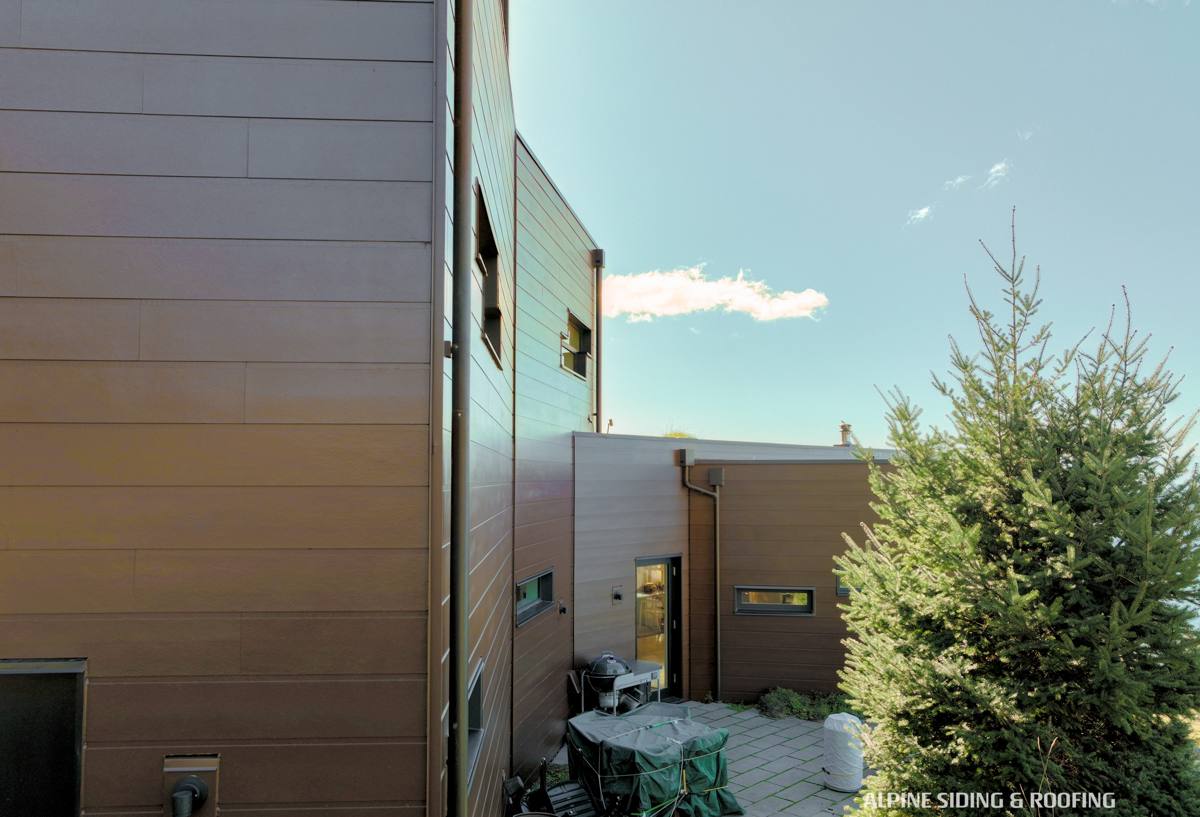
A lot of the character in Village of the Arts comes from rooflines that don't look like a standard subdivision roof — combination gable and hip sections, lower-slope porch roofs, additions tied into an original structure at a different pitch. These details are exactly where roofs most commonly leak, because every transition is a seam that has to be flashed and shingled correctly by hand rather than run through in a straight line.
On a roof like this, we pay close attention to:
Low-Slope Sections
Porches, additions, and some older roof sections may fall below the slope where standard shingles are rated to perform. In those cases, the underlayment and flashing strategy has to change, or a different roofing approach may be the more honest recommendation for that section specifically.
Valleys and Tie-Ins
Where two roof planes meet, water concentrates. We treat valleys as high-risk zones and detail them accordingly rather than relying on the shingle alone to shed water.
Older Decking
Some homes in this part of Bradenton still have original roof decking. We check its condition once the old roof is off and replace any deteriorated sections before a single new shingle goes down — a new roof is only as good as the deck it's fastened to.
Our Process, Start to Finish
- Inspection and estimate. We walk the roof, check the attic where accessible, and look at ventilation, flashing condition, and deck condition before quoting anything.
- Material selection. We go over shingle options, wind ratings, and warranty structure so the decision fits the home and the budget, not just the cheapest line item.
- Tear-off and deck inspection. Old material comes off down to the deck, and we flag any decking that needs replacement before moving forward.
- Underlayment and flashing. This is the layer that actually keeps water out — we don't shortcut it to save time.
- Shingle installation. Installed to high-wind fastening specifications, with attention to every valley, edge, and penetration.
- Ventilation check. We confirm intake and exhaust are balanced so the new roof isn't fighting trapped heat and moisture from day one.
- Final walkthrough and cleanup. Full site cleanup, including a magnetic sweep for stray nails, and a walkthrough so you know exactly what was done.
Shingle Options and Cost Factors
Most homeowners in this neighborhood are choosing between a handful of asphalt shingle tiers. Here's how they generally compare on the factors that matter most in this climate:
| Shingle Type | Wind Performance | Typical Lifespan | Best Fit |
|---|---|---|---|
| 3-tab (economy) | Lower wind rating, fewer sealant points | Budget-driven projects on lower-risk roof sections | |
| Architectural / laminate | Higher wind rating, better sealant strip design | Longer service life with proper installation | Most Village of the Arts roofs, given wind and UV exposure |
| Impact-rated architectural | Highest wind and impact rating available in shingles | Comparable to standard architectural when installed correctly | Homes wanting the strongest wind/hail protection option in shingle form |
Beyond the shingle tier itself, the biggest cost swings on a real quote usually come from roof complexity (number of valleys, dormers, and transitions), deck condition once torn off, and whether ventilation or flashing upgrades are needed to bring an older roof system up to current standards. We break all of this out in writing before work starts, so there are no surprise add-ons mid-project.
Signs Your Roof May Need Attention
Between full inspections, these are worth checking from the ground or having us look at:
- Granules collecting in gutters or at downspout outlets
- Shingle edges that look curled, cupped, or lifted, especially after a windy stretch
- Dark streaking or soft-looking patches on the roof surface
- Visible gaps or rust at flashing around chimneys, vents, or wall transitions
- Ceiling stains or musty smells in rooms directly under the roof, even without an obvious active leak
- Sagging in any section of the roofline, which can point to deck or structural issues underneath
None of these automatically mean a full replacement is needed, but they're all reasons to get an honest look before a problem becomes a bigger repair.
Living With a Shingle Roof in Salt Air
Ongoing maintenance matters more here than in inland parts of Manatee County. Salt air accelerates corrosion on anything metal, so flashing, vent boots, and fasteners deserve a periodic visual check, not just the shingles themselves. Keeping gutters and valleys clear of debris prevents water from sitting against shingle edges longer than it should. And after any major wind event, a quick post-storm check for lifted shingles or displaced flashing can catch a small problem before the next rain turns it into a ceiling stain.
Why Local Experience in This Neighborhood Matters
A roofing crew that's worked in Village of the Arts before already knows the kinds of roof shapes, deck ages, and prior-repair quirks common to homes here. That means a more accurate estimate up front, fewer mid-project surprises when the old roof comes off, and a finished roof that respects the character of the home instead of flattening it into a generic install. It also means we're a Bradenton-based crew who can respond quickly if a storm rolls through Manatee County and something needs an urgent look.
If you're weighing a repair against a full replacement, or just want an honest read on where your roof stands, we're happy to take a look. Fill out the form below for a free, no-pressure estimate and straightforward answers about what your roof actually needs.