 Bradenton Siding
 Siding That Can Handle Village of the Arts' Combination of Old Homes and Hard Weather
Village of the Arts sits close to downtown Bradenton, and it's one of the more distinctive pockets of Manatee County — a neighborhood built around older bungalow-style homes that have been reimagined as studios, galleries, and residences. That character is part of what makes the area worth protecting properly. Many of these homes were built decades ago, long before today's wind-load codes and moisture-barrier standards existed, and their exterior cladding is often past the point where patching or repainting does much good.
At the same time, this is still Bradenton — which means the same climate punishing every other neighborhood in the county is punishing Village of the Arts too. Hurricane-force wind events, sun exposure that runs nearly year-round, wind-driven rain that gets pushed sideways into wall assemblies, and salt-laden air drifting in off the Gulf all combine to wear down siding faster here than in most parts of the country. A home in this neighborhood needs cladding that respects its character but doesn't compromise on how it performs against that weather.
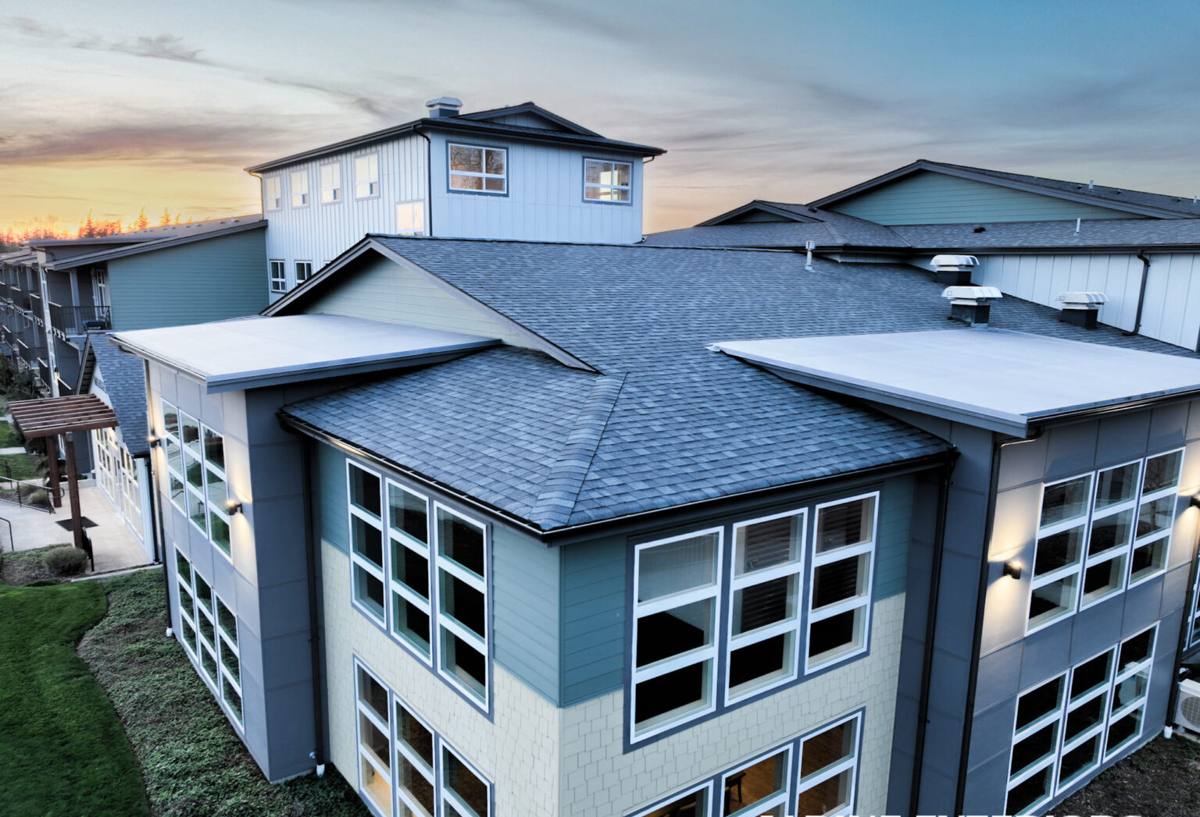
What Local Homes Actually Need From Their Siding
Durability Against Sun and Salt
Intense, near-constant UV exposure is one of the fastest ways to age exterior materials in this part of Florida. Paint chalks and fades, vinyl can warp or become brittle, and wood finishes break down years ahead of schedule. Add in salt air moving inland from the coast, and any siding with weak corrosion resistance or a paint system that isn't built for UV starts showing its age within a few short years.
Moisture and Wind Resistance
Wind-driven rain doesn't fall straight down — it gets forced sideways and upward under eaves, around trim, and behind poorly sealed joints. On older homes, this is often where the real damage is hiding: rot in sheathing, moisture trapped behind old siding, and fastener patterns that were never rated for today's understanding of hurricane wind loads. Any siding installation in this neighborhood has to address water management and wind resistance as seriously as it addresses appearance.
Respecting the Neighborhood's Character
Because Village of the Arts has a distinct visual identity, homeowners here are often more particular about color and profile than in a typical subdivision. That's a legitimate priority — but it shouldn't come at the cost of picking a product that can't stand up to Manatee County weather. The good news is that a well-engineered fiber cement product gives you both: authentic lap and panel profiles with a broad, fade-resistant color range, in a material that's actually built for this climate.
Why We Only Install James Hardie Fiber Cement
We don't install LP SmartSide, vinyl, Cemplank, Allura, or primed wood siding — not because those products have no merit, but because after years of installing and inspecting siding in this exact climate, we standardized on one product line we can stand behind completely: James Hardie fiber cement.
Where Vinyl Falls Short Here
Vinyl siding is affordable and easy to install, and for many climates it's a perfectly reasonable choice. In coastal Florida, it's a different story. Vinyl softens and can distort in sustained high heat, its color is baked in rather than factory-cured the way Hardie's ColorPlus finish is, and it has a lower wind-pressure rating than fiber cement in most published comparisons. It's also not fire-resistant, which matters to some homeowners weighing long-term risk.
Where Wood and Engineered Wood Fall Short Here
Wood-based sidings, including engineered wood products like LP SmartSide, require a level of ongoing maintenance — caulking, repainting, moisture inspection — that most homeowners underestimate until they're several years in. In a climate with this much rain and humidity, engineered wood is more vulnerable to moisture intrusion at cut edges and fastener points than fiber cement, and the consequences of a missed maintenance cycle are more serious: swelling, delamination, and rot.
Where Other Fiber Cement Brands Fall Short
Cemplank and Allura are legitimate fiber cement competitors, and the base material isn't dramatically different from Hardie's. What we don't get with them is the same factory-applied ColorPlus finish system, the same depth of climate-specific product engineering (Hardie's HZ5 line is formulated specifically for humid, high-moisture climates like ours), and the same warranty backing. When we're putting our name behind an installation, we want the product behind us to have a track record as long as ours.
What a Correct Siding Installation Actually Involves
Siding is only as good as what's underneath it and how it's fastened. A rushed or shortcut installation will fail early no matter how good the product is — this is where most siding problems in Bradenton actually originate.
Tear-Off and Substrate Inspection
We remove the old siding down to the sheathing and inspect for rot, insect damage, or trapped moisture before anything new goes up. On older Village of the Arts homes, this step often reveals issues that have been hidden for years — and it's far cheaper to fix them now than to seal them behind new siding and deal with them later.
Weather-Resistive Barrier and Flashing
A correctly lapped weather-resistive barrier, along with properly integrated flashing around windows, doors, and any wall penetrations, is what actually stops wind-driven rain from reaching your framing. This layer matters more in our climate than in almost anywhere else in the country.
Fastening to Wind Standards
James Hardie specifies exact fastener types, spacing, and placement for every product line, and those specs change depending on wind zone. We follow Hardie's published fastening schedules to the letter rather than a generic pattern — this is what actually determines how the siding performs in a named storm, not just how it looks the day it goes up.
Trim, Caulking, and Paint Details
The finish details — where trim meets siding, how joints are caulked, how butt joints are staggered — are what separate an installation that looks good for one season from one that looks good for twenty years. This is also where craftsmanship becomes visible on a home with the kind of architectural character found throughout this neighborhood.
Homeowner Checklist: What a Proper Installation Should Include
- Full tear-off and substrate inspection, not installation over existing damaged siding
- A continuous, correctly lapped weather-resistive barrier
- Properly integrated flashing at every window, door, and penetration
- Fastener type and spacing matched to Hardie's published specifications for your wind zone
- Factory-finished ColorPlus panels where possible, to avoid field-painting seams
- A written scope of work and warranty terms before any deposit changes hands
How Our Process Works, Start to Finish
Every project starts with an on-site visit, not a phone estimate — siding pricing depends on substrate condition, home shape, and access, and none of that can be judged accurately from a photo. From there:
- We inspect the current siding and, where visible, the substrate and framing condition.
- We walk through James Hardie product options, profiles, and colors suited to your home's style.
- We provide a written estimate with a clear scope — materials, labor, and timeline.
- Tear-off, substrate repair (if needed), barrier and flashing installation, then Hardie siding installation to manufacturer spec.
- Final walkthrough and warranty paperwork.
Comparing Siding Materials for This Climate
| Material | Wind/Storm Performance | Maintenance Needs | Typical Lifespan Here |
|---|---|---|---|
| James Hardie Fiber Cement | Strong, factory-rated for high wind zones | Low — factory-cured ColorPlus finish resists fading | Decades when installed to spec |
| Vinyl | Moderate; lower wind-pressure ratings | Low, but prone to warping and fading in intense sun | Shorter in this climate than fiber cement |
| Engineered Wood (e.g. LP SmartSide) | Moderate | Higher — regular caulking, painting, and moisture checks | Shorter if maintenance lapses |
| Other Fiber Cement Brands | Similar base material to Hardie | Varies by finish system | Depends on warranty and finish quality |
What Drives the Cost of a Siding Project Here
| Factor | Why It Matters |
|---|---|
| Home size and wall complexity | More corners, gables, and dormers mean more cutting, flashing, and labor |
| Substrate condition | Rot or moisture damage found during tear-off adds repair scope before siding goes on |
| Product line and profile | HardiePlank, HardiePanel, and shingle-style profiles carry different material costs |
| Trim and accessory work | Corner boards, fascia, and soffit work are often bundled with a siding project |
| Access and site conditions | Older, closely-set homes can require more careful staging and protection of neighboring structures |
We give exact numbers only after seeing the home in person — anything else is a guess, and we'd rather earn your trust with an accurate estimate than a fast one.
Why Hire a Crew That Already Works in This Neighborhood
Older neighborhoods close to downtown Bradenton come with their own quirks — tighter lot lines, mature landscaping to work around, and homes where the framing and sheathing underneath don't always match what modern plans would show. A crew that has already worked on homes like these in Village of the Arts knows what to expect before the tear-off even starts, which means fewer surprises and fewer change orders once the job is underway. It also means we understand what matters to homeowners in a neighborhood built around visual identity — getting the color and profile right isn't an afterthought, it's part of doing the job correctly the first time.
Ready for a Straightforward Estimate?
If your Village of the Arts home has siding that's cracking, fading, holding moisture, or just past its useful life, we're happy to come take a look and give you an honest read on what it needs — no pressure, no inflated scare tactics, just a clear estimate for James Hardie siding installed correctly for Bradenton's climate. Use the form below to request your free estimate.