 Bradenton Siding
 Windows Built for a Whitfield Estates Address
Whitfield Estates sits close enough to Tampa Bay and the Gulf that its homes take a different kind of beating than houses further inland. Salt-laden air moves through the neighborhood most of the year, summer storms bring wind-driven rain sideways against west- and south-facing walls, and the sun is overhead and intense for the better part of every day. Windows here aren't just a comfort feature — they're one of the main things standing between your living room and a named storm, and one of the biggest factors in how hard your air conditioner has to work in August.
A window that's correctly rated, correctly sized, and correctly installed can handle all of that for fifteen to twenty-five years with basically no drama. A window that's slightly wrong — undersized flashing, a gap in the sealant bead, the wrong glass package for the exposure — will usually still look fine for a year or two before the problems show up as fogging, staining, or a soft spot in the wall framing that nobody notices until it's expensive.
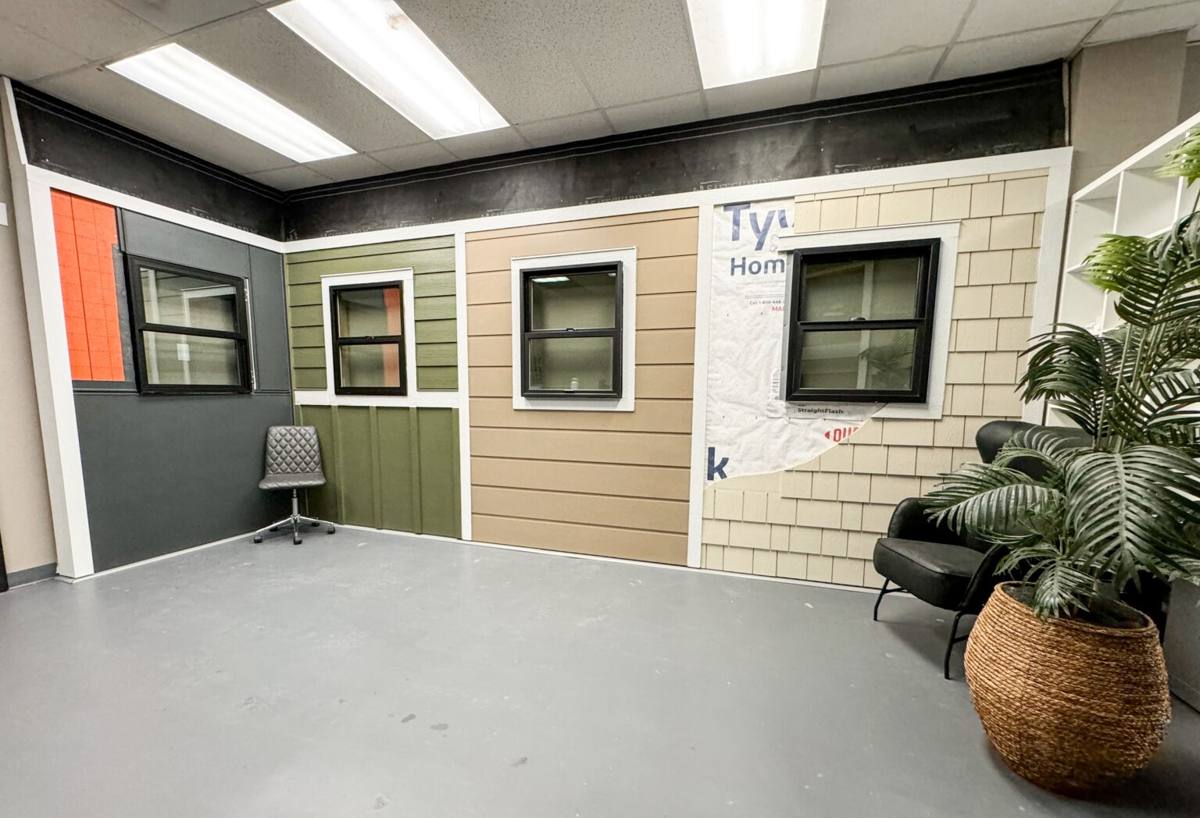
What Bradenton's Climate Actually Does to a Window
Wind and Storm Pressure
Manatee County's building code requires windows to meet specific wind-load and, in most cases, impact-resistance standards, because a failed window during a hurricane doesn't just let water in — it lets the storm pressurize the whole house from the inside, which is how roofs come off. The rating on the window matters, but so does how it's anchored into the wall. A correctly rated window installed with the wrong fasteners or insufficient embedment into structural framing is not actually rated for anything once it's in the wall.
Wind-Driven Rain
Even outside of tropical systems, Bradenton gets intense, wind-pushed thunderstorm rain in summer. That kind of rain doesn't just fall on a window — it drives sideways and upward under sills and around trim. This is where flashing and sealant detail work matters more than the window itself. Most leaks we get called out to inspect aren't a bad window; they're a window that was installed without proper flashing integration into the wall's water-resistive barrier.
UV Exposure
Year-round Florida sun degrades window seals, vinyl frames, and interior finishes faster than in most of the country. Low-E glass coatings and UV-stable frame materials aren't optional upgrades here so much as baseline requirements if you want the window to still look and perform well a decade from now.
Salt Air
Proximity to the coast means airborne salt settles on and around window hardware and metal components. Over time, unprotected fasteners, hinges, and low-grade aluminum components can corrode. Marine-grade or coated hardware costs a little more up front and saves you a frozen crank handle or a streaked frame five years later.
What a Correct Installation Actually Involves
Swapping a window sounds simple — remove old, set new, caulk the edges. Done that way, it usually looks fine for a while and fails within a few years. A proper installation is a sequence, and skipping a step doesn't show up until there's water or wind behind the wall.
- Remove the existing window and inspect the rough opening framing for rot, moisture staining, or insect damage before anything new goes in
- Confirm the opening is square, level, and correctly sized for the replacement unit — shimming and adjusting as needed rather than forcing a window to fit
- Integrate new flashing with the existing water-resistive barrier so water sheds outward and down, not into the wall cavity
- Set the window plumb and level, anchor it per the manufacturer's and code-required fastening schedule
- Apply backer rod and a proper sealant bead — not just a bead of caulk over a gap — at all exterior joints
- Insulate the gap between the window frame and rough opening with a low-expansion foam or backer material rated for window installation
- Finish interior and exterior trim, then test operation and check for daylight gaps or drafts before calling the job done
None of these steps are unusual or proprietary — they're standard trade practice. The difference between a window that lasts and one that doesn't is almost always whether every step got done, not whether an exotic technique was used.
Choosing the Right Window for a Whitfield Estates Home
Frame material, glass package, and impact rating all interact with each other, and the right combination depends on which side of the house you're replacing and what it faces.
| Window Type | Best Suited For | Trade-Offs |
|---|---|---|
| Vinyl, impact-rated | Most residential replacements; good value, low maintenance | Frame color options more limited than aluminum; quality varies a lot by manufacturer |
| Aluminum, impact-rated | Larger openings, sliders, homes wanting slimmer sightlines | Conducts more heat than vinyl unless thermally broken; needs corrosion-resistant hardware near the coast |
| Laminated impact glass | Any exposure, especially street-facing and second-story windows | Heavier, costs more than standard tempered glass, but eliminates the need for storm shutters or panels |
| Non-impact with shutter system | Budget-limited replacements on protected elevations | Lower upfront cost but requires manual shutter deployment before every storm |
We'll walk you through which combination makes sense for your specific elevation and budget rather than defaulting to one product for the whole house. A rear window under a covered lanai doesn't need the same spec as a west-facing window with no overhang.
Impact-Rated vs. Standard: What You're Actually Paying For
Impact-rated windows cost more than standard windows, and it's fair to ask what that money buys. The honest answer: laminated glass that stays intact under wind-borne debris impact, a frame and anchoring system engineered to hold under sustained storm pressure, and — often overlooked — noise and UV reduction as a side benefit even outside of storm season. Standard windows paired with a shutter or panel system can meet code at lower upfront cost, but they shift the burden onto you to install shutters before every storm, including the ones that don't give much warning.
How We Handle a Whitfield Estates Job
1. On-Site Assessment
We measure every opening individually — homes in this area span several decades of construction, and openings that look identical from the street are often not the same size once you get a tape measure on them.
2. Product Selection
We go over frame material, glass package, and impact rating options against your budget and which walls take the worst weather. No pressure toward the most expensive option if it isn't what the house needs.
3. Permitting
Window replacement in Manatee County generally requires a permit and inspection, particularly when the wind or impact rating changes from what's currently installed. We handle the permit paperwork and coordinate the inspection so you're not tracking down the county yourself.
4. Installation
Removal, opening inspection, flashing, setting, anchoring, sealing, and trim — done in sequence, by a crew, not rotating subcontractors learning the house as they go.
5. Final Walkthrough
Every window gets operated, checked for gaps, and reviewed with you before we consider the job finished.
Signs Your Current Windows Need Attention
Not every window issue means a full replacement, but these are worth having looked at:
- Fogging or a visible haze between panes of double-glazed glass — a sign the seal has failed
- Difficulty opening, closing, or locking that isn't from paint buildup
- Soft or discolored drywall, trim, or sill area near the window
- Visible daylight or a noticeable draft around the frame
- A noticeable rise in energy bills without another clear cause
- Chalking, pitting, or corrosion on aluminum frames or hardware
What to Ask Before Hiring a Window Contractor
Whitfield Estates has enough older homes and enough storm exposure that a bad installation is expensive to discover later. Before signing anything, it's worth asking:
- Is the company licensed to do this work in Manatee County, and can they provide proof of insurance?
- Will they pull the required permit, or is that left to you?
- What wind load and impact rating are the proposed windows certified for, and does that match code for your specific elevation?
- Who performs the actual installation — the company's own crew, or a rotating subcontractor?
- What's covered under warranty, and is that the manufacturer's warranty, the installer's workmanship warranty, or both?
- How do they handle flashing and integration with the existing wall's water barrier — can they explain it, not just say "we caulk it well"?
Why Local Experience in This Neighborhood Matters
A crew that's already worked in Whitfield Estates has a practical head start: they've seen how homes of this area's typical vintage were originally built out, what rough-opening quirks tend to show up, and what wall assemblies are common enough to plan around instead of discovering mid-job. That translates into fewer surprises, more accurate quotes, and less time your house sits open to the weather during the swap. It also means a crew that understands what Manatee County's permitting office actually wants to see, which keeps inspections from turning into a second visit.
Whether you're replacing one storm-damaged window or updating the whole house before hurricane season, we'll give you a straight assessment of what your home actually needs — not an upsell. If you'd like a free, no-pressure estimate for window installation at your Whitfield Estates home, fill out the form below and we'll get back to you.