 Bradenton Siding
 Storm Damage Roofs in Bayshore Gardens Take a Different Kind of Beating
Bayshore Gardens sits close to the water along Sarasota Bay, which is part of what makes it a great place to live — and part of what makes its roofs work harder than roofs a few miles inland. Homes here catch bay-driven wind gusts head-on, sit under near-constant Gulf Coast humidity, and take on salt-laden air that inland Manatee County neighborhoods simply don't deal with in the same concentration. When a storm rolls through, whether it's a tropical system or just a hard summer squall off the bay, the damage pattern on a Bayshore Gardens roof often looks different from what we see on a repair call across town, and it needs to be evaluated that way.
This page is about one thing: getting a storm-damaged roof in Bayshore Gardens repaired correctly, the first time, by a crew that already understands what this specific stretch of Bradenton does to a roof system.
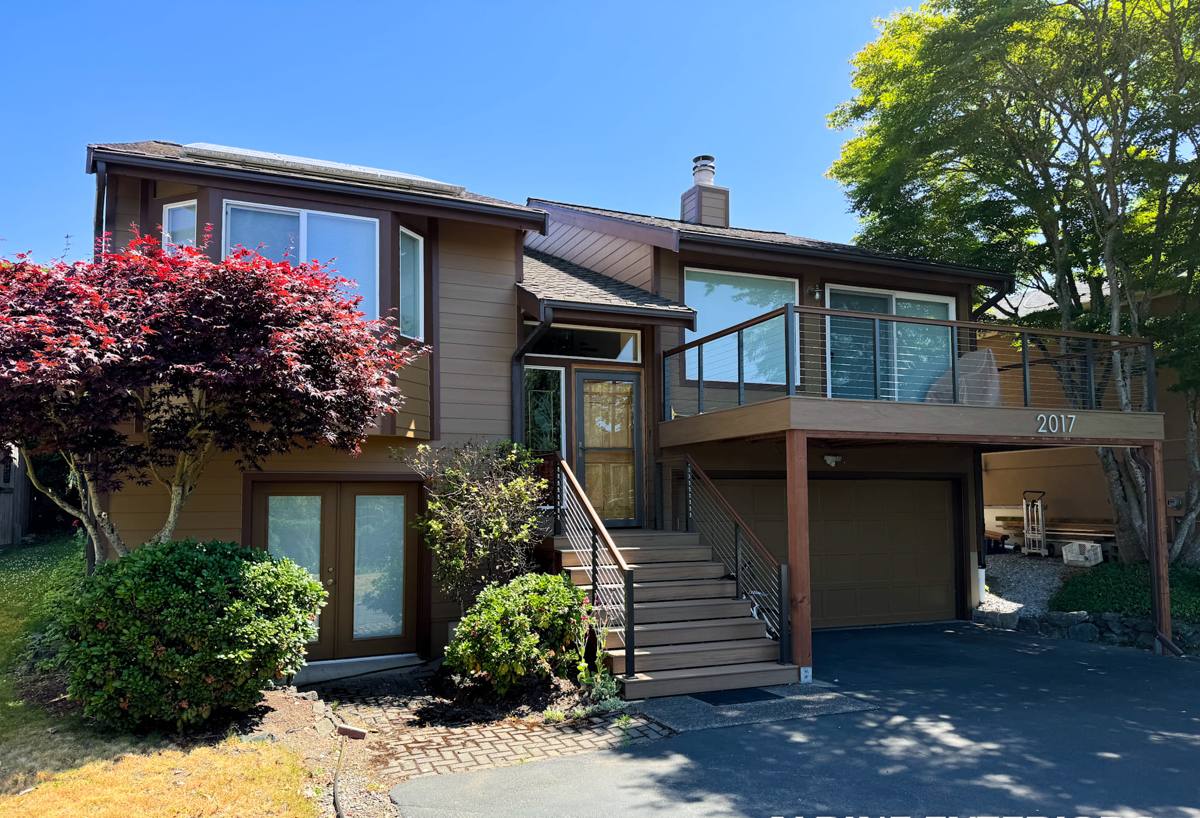
What the Local Climate Does to a Bayshore Gardens Roof
Every roofing material sold in Florida is rated to handle heat and rain in general. Fewer of them are installed with the specific combination Bayshore Gardens throws at a roof:
Hurricane-Force and Straight-Line Wind
Proximity to the bay means less tree buffer and more open exposure on certain sides of a property. Wind doesn't just tear shingles off — it gets underneath the roof edge and starter course first, then works its way in. A roof that looks fine from the ground can have lifted or partially unsealed shingles along the perimeter that only show up under close inspection.
Wind-Driven Rain
Rain that comes in sideways during a storm doesn't behave like rain falling straight down. It gets pushed up under shingle tabs, around vent boots, and into any gap in flashing that would never leak in a normal rainstorm. Wind-driven rain is the number one reason a roof can pass a casual visual check and still be actively leaking into the attic.
Year-Round, High-Intensity UV
Bradenton sun is not gentle. UV exposure breaks down asphalt shingle oils, dries out sealant strips, and makes roofing materials more brittle over time — which means a roof that's already a decade or more old has less flex left in it to absorb storm stress before something cracks or tears loose.
Salt Air
Being close to Sarasota Bay means airborne salt settles on roofing materials and metal components more than it would further inland. Salt accelerates corrosion on exposed fasteners, flashing, and any unprotected metal edge. Over years, that corrosion is what turns a small storm-related issue into a bigger repair.
Individually, none of these are unusual for a Gulf Coast roof. Together, on a bayside street in Bayshore Gardens, they add up to a roof that ages faster and needs a more thorough post-storm inspection than a generic checklist covers.
Common Storm Damage We Find on Bayshore Gardens Roofs
- Lifted or missing shingles along ridges, hips, and roof edges where wind uplift starts
- Cracked or displaced ridge caps, often the first thing to go in sustained wind
- Damaged or lifted flashing around chimneys, skylights, and wall-to-roof transitions
- Torn or missing pipe boot seals, a very common source of a slow, hard-to-find leak
- Granule loss on asphalt shingles from wind-blown debris, which shortens the shingle's remaining lifespan even where there's no visible hole
- Soffit and fascia damage where wind gets up under the roofline overhang
- Fastener corrosion or backing-out on metal roofing components exposed to salt air over time
- Hidden decking damage under shingles that look intact from the ground but have taken water underneath
That last one is the item that causes the most trouble after the fact. A roof can look repairable from the street and still have wet, soft decking underneath that won't hold a proper shingle seal. That's why any honest storm damage inspection includes checking what's under the surface layer, not just what's visible from a ladder or a drone photo.
What a Correct Storm Damage Repair Actually Involves
Storm repair done right is not just "replace what's missing and match the color." A proper repair addresses the cause of the damage, not only the symptom.
- Full roof inspection, not just the damaged section. Wind damage rarely stays contained to one spot — we check the whole roof plane, not just where the homeowner saw a problem.
- Decking assessment. Any area that took water gets checked for soft spots, delamination, or rot before new material goes down over it.
- Underlayment evaluation. If wind-driven rain got past the shingles, the underlayment may have failed too — it's the actual water barrier, and it's often overlooked in a quick patch job.
- Flashing repair or replacement. Flashing that's been bent, lifted, or corroded doesn't get re-bent and reused — it gets replaced so the seal is reliable.
- Matching materials correctly. Shingle color, profile, and wind rating all matter for both appearance and performance — a mismatched patch is a visible and sometimes a functional weak point.
- Fastener and seal check on the whole repaired area. Given the salt-air factor in Bayshore Gardens, we don't leave marginal fasteners or seals in place just because they weren't part of the original damage.
Documentation for Insurance
Most storm damage repairs in this area involve an insurance claim. A repair done without proper documentation — clear photos of the damage before and during repair, a written scope of work, and dated records — can slow down or complicate a claim. We document the job as we go so homeowners have what they need if their insurer has questions.
Repair or Replace? What Actually Drives That Decision
| Factor | Leans Toward Repair | Leans Toward Replacement |
|---|---|---|
| Roof age | Under 10-12 years, still has useful life | Nearing or past expected lifespan for the material |
| Extent of damage | Isolated to one section or slope | Spread across multiple slopes or the whole roof |
| Decking condition | Solid, dry decking under the damaged area | Soft, wet, or rotted decking found during inspection |
| Prior storm history | First significant damage event | Repeated patches from multiple past storms |
| Material availability | Matching shingles/material still available | Discontinued product, visible mismatch likely |
We'll give a straight answer on which side of this table a given roof falls on. If a repair is the honest call, we won't push a replacement — and if the damage or the roof's age means a repair would just be a short-term fix, we'll say that too.
Our Storm Damage Repair Process
1. Fast, Thorough Inspection
After a storm, timing matters — both for preventing further water intrusion and for insurance purposes. We inspect promptly and put findings in writing.
2. Emergency Mitigation if Needed
If there's active exposure — a section open to the weather — we address that first to stop ongoing water damage while the full repair is scoped.
3. Clear Scope and Estimate
Before any work starts, the homeowner gets a clear explanation of what's damaged, what needs to be done, and why — no vague line items.
4. The Repair Itself
Work is done to match existing roofing where possible and to current code requirements where repair triggers code compliance, using materials suited to wind and UV exposure typical of this part of Bradenton.
5. Final Walkthrough
We review the completed work with the homeowner and make sure documentation is in order for insurance records.
Why Hiring a Crew That Already Works in Bayshore Gardens Matters
A contractor who regularly works this part of Manatee County already knows the wind exposure patterns near the bay, has a feel for how salt air affects fastener and flashing choices, and isn't guessing at what "normal wear" looks like versus genuine storm damage on a home this close to the water. That local familiarity shows up in small but real ways — knowing which roof sections on bayfront-adjacent homes tend to take the worst of a storm, and not treating every job like a generic checklist.
It also matters for follow-through. Storm season in this part of Florida isn't a once-a-year event — it's a recurring reality, and a roof repaired this year may need to be checked again after the next significant system. Working with a contractor who's local and accessible, rather than a storm-chasing crew that's gone once the check clears, means someone is actually around if a follow-up question or warranty issue comes up.
After the Repair: Protecting Your Roof Going Forward
- Have the roof inspected after any major wind event, even if no leak is visible yet
- Keep gutters and downspouts clear so water sheds properly during heavy rain
- Trim back any overhanging limbs that could drop debris in high wind
- Check attic ventilation periodically — poor ventilation accelerates heat and moisture damage from the inside
- Address small issues (a lifted shingle, a cracked pipe boot) promptly rather than waiting for the next storm to make it worse
- Keep a simple record of past repairs and inspections — it helps with both maintenance planning and future insurance claims
A little routine attention between storms goes a long way toward keeping a Bayshore Gardens roof out of emergency-repair territory in the first place.
Get a Straight Answer on Your Roof
If your Bayshore Gardens home has storm damage — or you're just not sure whether what you're seeing is worth a closer look — we're glad to come out, inspect it honestly, and explain what we find in plain terms. There's no pressure and no obligation. Use the form below to request a free estimate.