 Bradenton Siding
 Board & Batten Siding in Tara: What Makes This Style Right (and Wrong) for the Climate
Board and batten siding has become one of the more requested looks in Tara and the surrounding Bradenton neighborhoods — the vertical panel-and-strip pattern reads as modern farmhouse or coastal cottage, and it pairs well with the mix of single-family homes and community-style architecture common in this part of Manatee County. It's a great look. It's also a style that punishes bad installation faster than most, because the vertical seams and exposed battens create more joints, more fastener points, and more places for water to find a way in if the job isn't done right.
That matters more here than in most parts of the country. Homes in Tara deal with hurricane-force wind gusts during storm season, intense UV exposure nearly year-round, wind-driven rain that gets pushed sideways into wall assemblies, and salt-laden air drifting in off the Gulf and Tampa Bay. Board and batten siding installed to spec handles all of that well. Board and batten siding installed with shortcuts — gaps sealed with caulk instead of proper flashing, battens face-nailed through the panel instead of through solid backing, fastener spacing stretched to save time — becomes a maintenance headache within a few years.
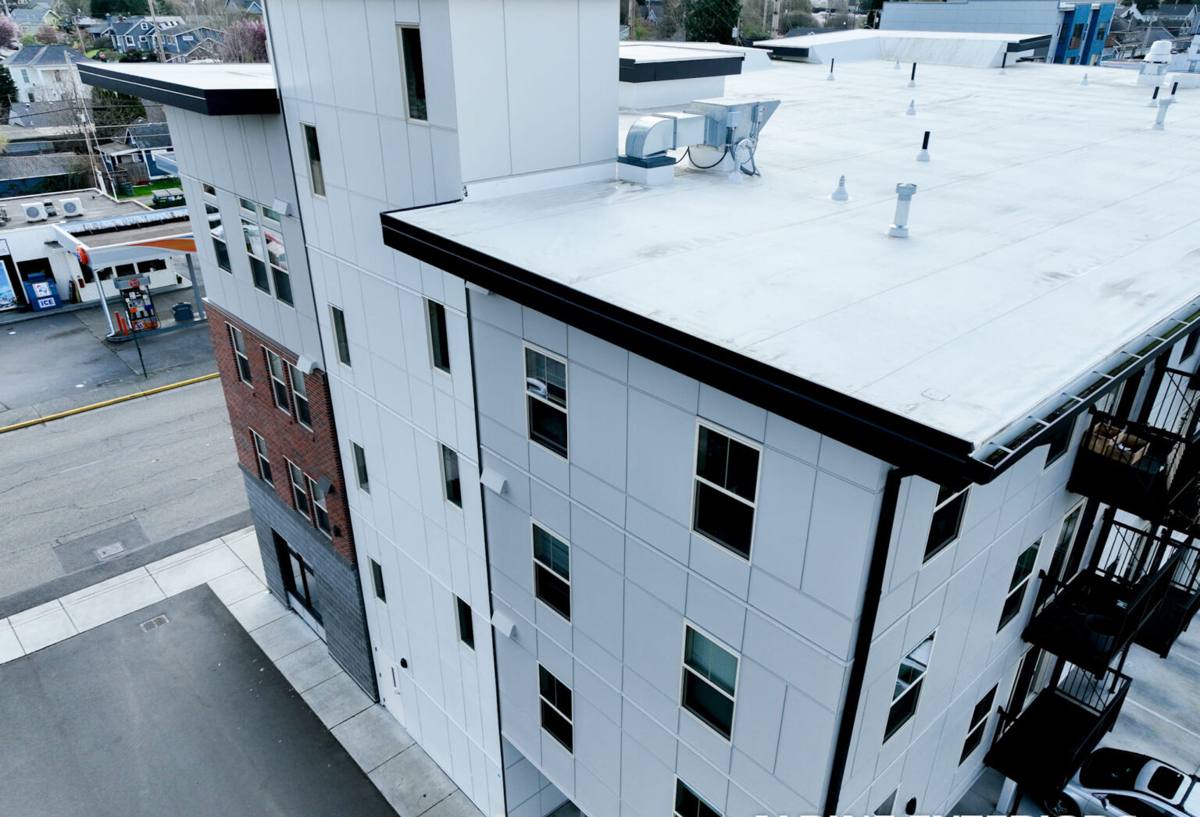
Why Board & Batten Needs to Be Engineered for This Climate, Not Just Installed
Vertical Seams Are Water Pathways
Every vertical joint between panels is a potential entry point for wind-driven rain. In a calm climate that's a minor design consideration. In Manatee County, where tropical systems push rain horizontally against exterior walls for hours at a time, those seams need proper overlap, backer strips, and weather-resistant barrier detailing behind them — not just a bead of sealant that will eventually crack under UV exposure and temperature cycling.
UV Breaks Down Weak Points First
Florida sun is relentless on exterior building materials. Caulk, unprotected raw edges, and poorly primed cut ends fail under UV exposure well before the siding material itself does. A board and batten installation with a lot of exposed sealant lines is an installation with a lot of future maintenance built in.
Salt Air Accelerates Fastener Corrosion
Tara sits close enough to the coast that salt air is a real factor in material selection. Fasteners, flashing, and trim hardware that aren't rated for coastal exposure corrode faster here than inland, and a corroded fastener behind a batten strip is invisible until the batten starts to loosen or streak with rust.
What a Correct Board & Batten Job Actually Involves
We install James Hardie fiber cement board and batten systems — typically HardiePanel vertical siding with HardieTrim battens — because the product is engineered specifically for high-humidity, high-UV, storm-exposed climates like ours. That engineering only pays off if the installation matches it. A correct job includes:
- Proper weather-resistant barrier installed continuously behind the panels, lapped correctly at every seam
- Panel and batten fastening into solid framing at manufacturer-specified spacing — not just "close enough"
- Corrosion-resistant fasteners rated for coastal and high-moisture exposure
- Correct clearance at the base of the wall, off grade and hardscape, to prevent wicking moisture
- Factory-primed or ColorPlus-finished cut edges sealed before installation, not left raw
- Flashing integrated at every window, door, and roof-to-wall intersection — not bridged with caulk alone
- Expansion gaps sized correctly at trim and corners so the material can move with heat cycling without buckling
None of this is exotic. It's the standard the manufacturer publishes. The difference between a board and batten job that looks good for fifteen-plus years and one that needs recaulking and touch-up work within three or four almost always comes down to whether these details were followed or skipped.
Our Process for a Tara Board & Batten Project
| Step | What Happens |
|---|---|
| 1. On-site assessment | We walk the home, check existing wall condition, note wind exposure and moisture risk areas specific to the lot |
| 2. Material plan | We spec panel width, batten spacing, and James Hardie color/finish based on the home's style and any HOA guidelines that apply in the community |
| 3. Tear-off and inspection | Old siding removed, sheathing inspected for hidden moisture damage before anything new goes up |
| 4. Weather barrier and flashing | Continuous barrier installed, all penetrations and transitions flashed before panels go on |
| 5. Panel and batten install | Fastened to manufacturer spec, correct fastener type, correct spacing, correct clearances |
| 6. Trim, sealant, and finish check | Final sealant only where specified, edges checked, walkthrough with the homeowner |
Why a Crew That Already Works Tara Matters
There's a practical reason to hire a contractor already familiar with this specific area rather than a company working from an out-of-town template. A crew that regularly works Bradenton and Manatee County knows the wind load requirements local permitting will check for, has already dealt with the coastal-adjacent moisture and salt exposure that this part of Florida presents, and is familiar with the HOA aesthetic guidelines that some Tara communities enforce on exterior changes — panel width, color palette, and trim proportions can all be subject to community review before work starts. Getting that wrong means delays and rework. A local crew builds the plan around it from day one instead of discovering it mid-project.
There's also a simple accountability argument. A siding job is a multi-year investment in the home's exterior. A contractor with an established presence in the area — not a crew that showed up from three counties away for storm-chasing work after a hurricane — is the one who's still around to stand behind a warranty claim or a callback five years later.
Board & Batten vs. Other Siding Approaches for Tara Homes
| Approach | Look | Climate Performance in Manatee County |
|---|---|---|
| James Hardie board & batten (fiber cement) | Crisp vertical lines, modern farmhouse/coastal look | Non-combustible, engineered for humidity and storm exposure, holds paint/finish long-term |
| Vinyl board & batten | Similar visual style, lighter material | Prone to warping and fading under sustained Florida UV and heat; less impact resistance |
| Wood board & batten | Authentic traditional texture | High maintenance burden — repainting, moisture and rot risk, termite exposure in this region |
| Standard lap siding | Traditional horizontal look | Solid performer, but doesn't give the vertical architectural accent homeowners are asking for in Tara |
We don't install vinyl or wood board and batten. Vinyl softens and can distort in sustained Florida heat, and its seams and fastening system don't hold up to wind-driven rain the way a properly detailed fiber cement panel system does. Wood requires a maintenance commitment — repainting, sealing, moisture watch — that most homeowners don't want to sign up for twice a decade. James Hardie fiber cement gives the same crisp vertical look with a factory ColorPlus finish that's engineered to resist fading and doesn't require the repainting cycle wood does.
Maintenance and What to Expect Long-Term
A correctly installed James Hardie board and batten system in this climate is low-maintenance, not no-maintenance. Homeowners in Tara should expect to:
- Rinse the siding periodically to remove salt residue and pollen buildup
- Do a visual walk after major storms to check for any dislodged trim or damaged sealant points
- Repaint on the extended cycle typical for ColorPlus finishes if the home is painted rather than factory-finished, versus the more frequent repainting wood or older fiber cement systems require
- Have caulk lines at trim and penetrations checked every few years, since sealant is the one component that wears faster than the siding itself
James Hardie backs its fiber cement products with a strong transferable warranty when installation follows manufacturer specifications — another reason installation quality isn't optional. A warranty is only as good as the install it's attached to.
Signs Your Current Siding Isn't Holding Up
If you're in Tara and considering board and batten for a new look or a replacement, a few signs point to siding that's already past the point of patching:
- Soft or spongy spots when you press on the wall near the base or around windows
- Visible gaps opening up at seams or trim that weren't there a year or two ago
- Persistent caulk failure — cracking or pulling away faster than it should
- Streaking, staining, or a chalky surface texture that doesn't wash off
- Warping or buckling panels, especially after storm season
Any of these point to moisture getting behind the siding, which in Manatee County's humidity doesn't stay a small problem for long.
Get a Straight Answer for Your Home
Every home in Tara sits a little differently — sun exposure, wind exposure, age of the existing wall assembly, and any HOA requirements all factor into what a board and batten project actually needs. We'll walk your home, give you a straightforward assessment, and put together a plan using James Hardie fiber cement — the only siding system we install. Reach out through the form below for a free, no-pressure estimate.