 Bradenton Siding
 Why Bradenton Beach Homes Need a Different Approach to Windows
Bradenton Beach sits right on the water on Anna Maria Island, which means the windows on these homes work harder than windows almost anywhere else in Manatee County. You're dealing with salt-laden air moving off the Gulf and the bay, intense sun exposure nearly every day of the year, wind-driven rain during summer storms, and the real possibility of hurricane-force wind loads. A window that's rated fine for an inland subdivision isn't necessarily the right call a few blocks from the beach. When we talk about "energy-efficient windows" for a Bradenton Beach home, we're really talking about three things at once: keeping conditioned air inside, keeping heat and UV out, and keeping the window itself intact and watertight against a coastal environment that's actively trying to break it down.
A lot of homeowners assume energy efficiency and storm resistance are separate conversations. On the barrier islands and coastal parts of Manatee County, they're the same conversation. The seal, frame material, and glass package that make a window energy efficient are the same components that determine whether it holds up against salt corrosion and wind pressure. Get one wrong and you've usually gotten both wrong.
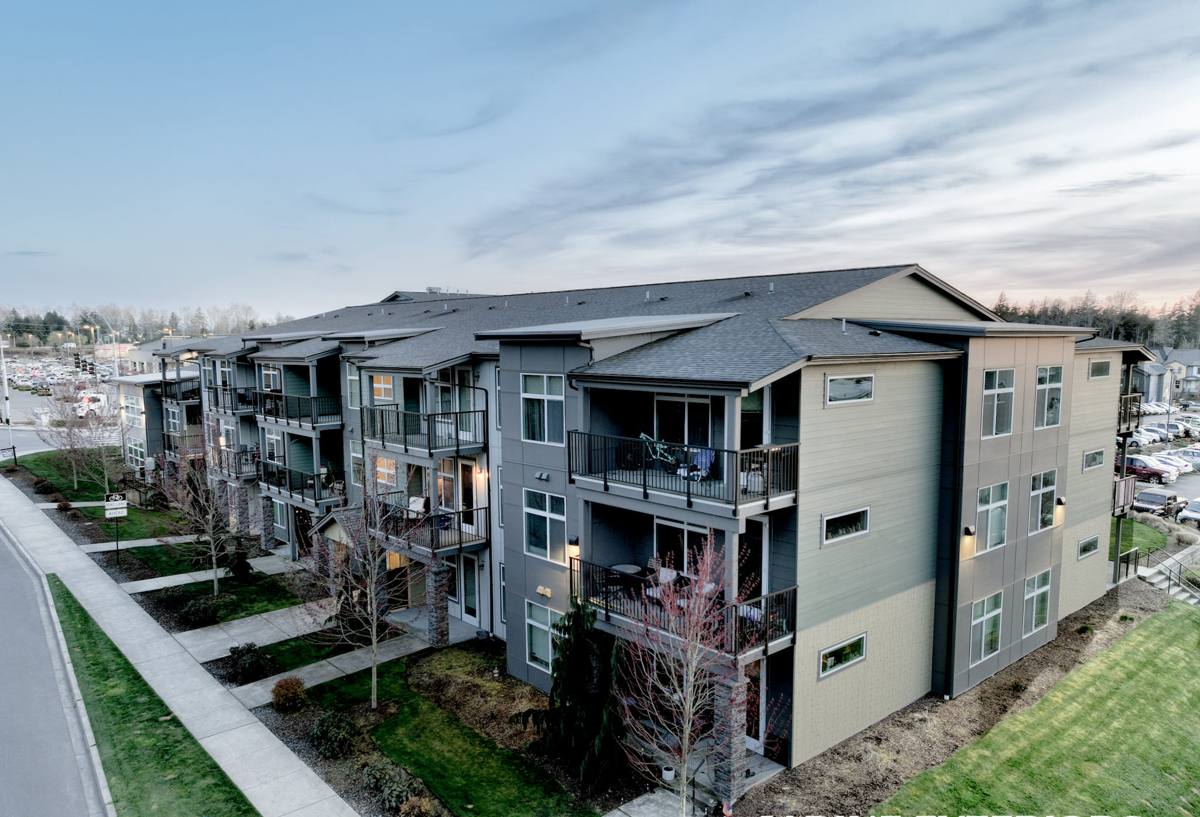
What Salt Air and Coastal Sun Actually Do to a Window
Salt Air and Corrosion
Airborne salt settles on everything near the coast, including window hardware, frame fasteners, and metal reinforcement inside vinyl or fiberglass frames. Over years, that salt exposure corrodes untreated hardware, pits aluminum, and can compromise the seals that keep a window's insulating gas and weatherstripping doing their job. Once a seal starts to fail, the window loses its efficiency long before it looks obviously broken — you'll notice it as a higher power bill or a draft before you notice fogging glass.
UV Exposure
Florida sun is intense year-round, not just in summer. Constant UV exposure breaks down cheap vinyl over time, causing discoloration, warping, and brittleness in frame components that weren't formulated for it. UV also degrades low-quality window films and can shorten the working life of weatherstripping. Glass packages matter here too — a proper low-E coating blocks a meaningful share of solar heat gain before it ever gets into the house, which is a bigger deal on the coast where there's no tree canopy to help shade a home.
Wind-Driven Rain and Storm Pressure
Wind-driven rain doesn't fall straight down — it gets pushed sideways into a window under pressure, which is a completely different test than a window just sitting in a rainstorm. Combine that with the wind loads a Gulf-front or near-Gulf property can see during named storms, and you need a window rated and installed to handle both water intrusion and structural pressure at the same time. This is where installation quality matters as much as the window itself.
What "Energy-Efficient" Should Mean for This Location
Energy efficiency isn't one spec — it's a combination of frame material, glass package, and installation quality working together. For a Bradenton Beach home, we look at all three:
- Frame material that resists salt corrosion and UV breakdown without warping or chalking over time
- Low-E glass coatings that reduce solar heat gain without darkening the view or making rooms feel closed off
- Multi-chamber or insulated frame construction that cuts down on conducted heat transfer through the frame itself, not just the glass
- Impact-rated or storm-rated glazing where the property's location and local code call for it
- Proper flashing and sealant detailing at the rough opening, since even a top-tier window will leak air and water if it's installed loosely
That last point is the one homeowners underestimate most. We've seen high-end windows installed poorly perform worse — on energy bills and on storm protection — than mid-range windows installed correctly. The installation is not a footnote to the window's performance; it's a core part of it.
Coastal-Grade vs. Standard Window Packages
| Factor | Standard Inland Package | Coastal-Grade Package (Recommended Near the Beach) |
|---|---|---|
| Frame hardware | Standard-grade fasteners and hinges | Corrosion-resistant hardware rated for salt exposure |
| Glass coating | Basic or no low-E coating | Low-E coating tuned for high solar heat gain areas |
| Wind/impact rating | Often not rated for high wind pressure | Rated to local wind-load and water-infiltration requirements |
| Frame finish | May chalk or discolor faster under constant UV | UV-stabilized finish built for sustained coastal sun |
| Sealant/flashing detail | Standard installation practice | Storm-grade flashing and sealant sequencing at the opening |
Not every home in Bradenton Beach needs the top tier of every category — a home set back from the water with some wind protection from surrounding structures has different needs than one directly exposed to open water. Part of our job during the estimate is telling you honestly where you can save money and where it's not worth cutting corners.
Our Process for Bradenton Beach Window Projects
1. On-Site Assessment
We look at your home's actual exposure — direction it faces, how close it sits to open water, existing window condition, and any signs of past water intrusion or frame corrosion. This tells us what tier of window package makes sense and whether there are structural or code considerations tied to your specific property.
2. Product Selection Walkthrough
We walk you through frame material, glass options, and wind/impact ratings in plain terms — what each option actually does for your energy bills, your comfort, and your storm protection, and what it costs. No pressure to upgrade to the most expensive option if it's not what your home needs.
3. Precise Measurement and Ordering
Coastal homes, especially older construction, often have openings that aren't perfectly square or standard-sized. We measure carefully so the windows we order actually fit, which avoids the gaps and shim-heavy installs that undermine energy performance later.
4. Removal and Installation
Old windows come out, the opening gets inspected for hidden rot, corrosion, or water damage before anything new goes in, and the new window is set, shimmed, and sealed following manufacturer specs and storm-appropriate flashing detail.
5. Sealing and Final Check
This is where a lot of the long-term performance is won or lost. We seal and flash the opening properly, then check operation, seal integrity, and fit before we consider the job done.
Signs Your Current Windows Are Costing You Money
- Rooms near windows feel noticeably hotter than the rest of the house during the day
- You can feel air movement around the frame when it's windy outside
- Condensation or fogging between panes of double-glazed units
- Visible corrosion or pitting on hardware, hinges, or frame fasteners
- Frames that have started to chalk, discolor, or feel brittle to the touch
- Difficulty opening, closing, or locking a window that used to operate smoothly
- A noticeable jump in cooling costs without a clear reason
Any one of these on its own might not mean much. Several of them together, especially on a home with original or older windows, usually mean the windows are past the point where efficiency is being maintained.
Cost Factors Homeowners Should Understand
Pricing on window projects varies a lot based on real factors, not just the brand name on the box. The main drivers we see on Bradenton Beach projects are:
- Number of openings and whether it's a full-home replacement or select rooms
- Wind/impact rating required for the property's location and local code
- Frame material chosen — vinyl, fiberglass, and aluminum all price differently
- Glass package — standard low-E versus higher-performance coatings
- Condition of existing openings — hidden rot or corrosion found during removal adds scope
- Size and configuration of individual windows, including any custom shapes
We give straightforward, itemized estimates so you know what you're paying for and why, rather than a single number with no explanation behind it.
Why Local Experience on the Barrier Islands Matters
A crew that mostly works inland jobs in Manatee County isn't automatically prepared for what a Bradenton Beach installation demands. Working this close to the Gulf means understanding how salt air behaves against different frame finishes, knowing which sealant and flashing sequences actually hold up to wind-driven rain, and being familiar with the wind-load and water-infiltration expectations that apply to homes in this kind of exposure. That familiarity comes from doing the work here repeatedly, not from a general contracting background applied to a coastal job. It also means we can spot problems early — like the beginnings of hardware corrosion or a flashing detail that's starting to fail — before they turn into a bigger repair.
Get a Straightforward, No-Pressure Estimate
If your windows are original to the home, showing signs of wear, or you're just trying to get ahead of hurricane season, we're happy to take a look and give you an honest read on what your home actually needs. Fill out the form below for a free estimate — no pressure, no upsell, just a clear picture of your options for your specific property in Bradenton Beach.