 Bradenton Siding
 Palmetto Decks Face a Tougher Job Than Most
A deck in Palmetto works harder than a deck almost anywhere inland. Between the hurricane-force winds that roll through Manatee County during storm season, the near-constant Gulf Coast sun, and the salt-laden air drifting off the water, your deck's structure and hardware are under attack from multiple directions at once — not just occasionally, but every single day it stands.
Most deck problems we find in Palmetto homes didn't happen overnight. They're the slow result of moisture getting where it shouldn't, fasteners corroding faster than homeowners expect, and UV exposure drying out wood fibers until boards cup, split, or splinter. By the time a deck feels "off" underfoot — a soft spot, a wobbly rail, a board that's started to silver and crack — the damage is usually further along than it looks from the surface.
This page is specifically about deck repair for homes in and around Palmetto. It's not a general how-to; it's what we've learned repairing decks in this exact climate, on this exact coastline, for homeowners who need an honest read on what's wrong and what it actually takes to fix it right.
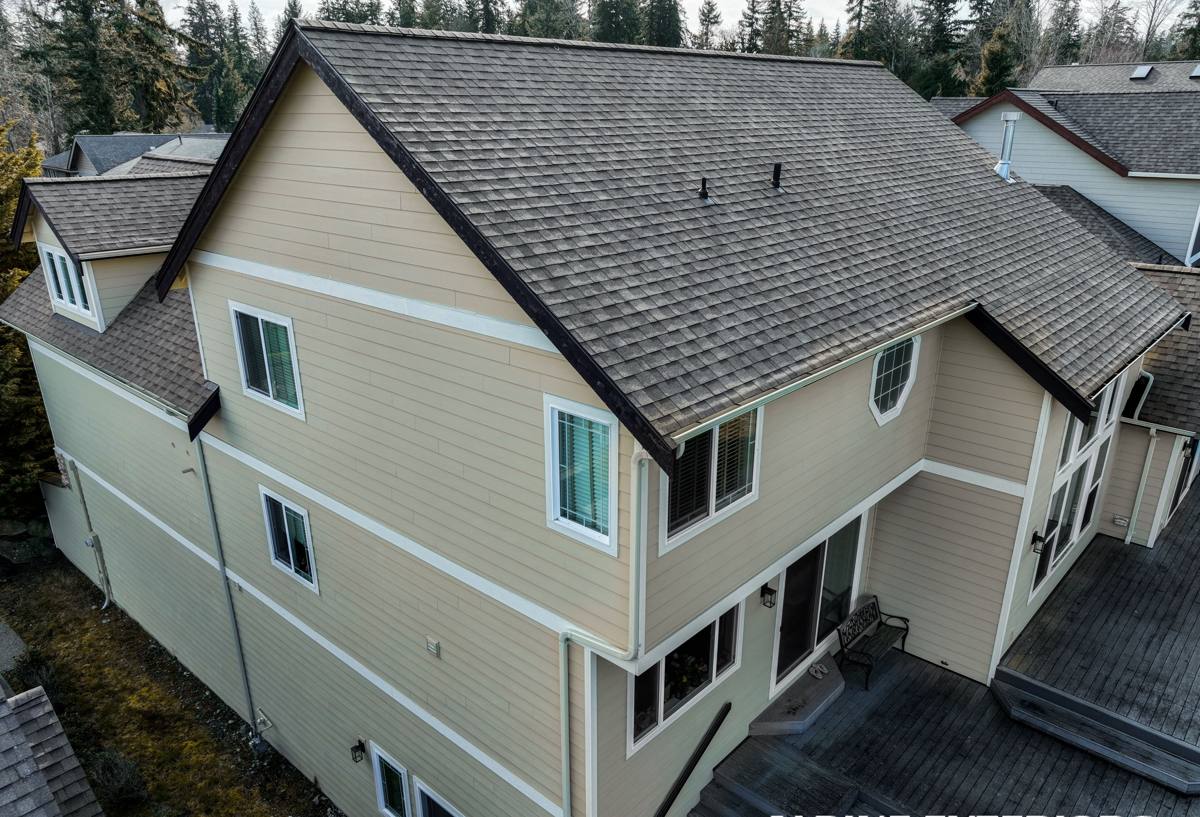
What the Local Climate Does to a Deck
Wind
Sustained hurricane-force winds put real lateral load on a deck's structure — not just the surface boards, but the ledger connection to the house, the posts, and the railing system. Loose railings and understrength ledger attachments are two of the most common failure points we find, and they're rarely visible until you know exactly where to look.
UV
Florida sun is relentless year-round, not seasonal. UV breaks down the lignin in wood fibers over time, which is why untreated or under-maintained wood decking eventually turns gray, dries out, and starts to crack and splinter — even if it's never gotten wet. Sealants and stains that protect against UV wear out faster here than manufacturer labels (written for milder climates) suggest.
Wind-Driven Rain
Rain that comes in sideways during a storm finds every gap in flashing, every unsealed fastener hole, and every spot where a board butts up against the house. That moisture gets trapped, and trapped moisture is what starts rot — often in the framing underneath, well before it shows on the surface.
Salt Air
Even homes that aren't waterfront pick up salt in the air along this stretch of the Gulf Coast. Salt accelerates corrosion in metal fasteners, brackets, and connectors — the parts of your deck doing the actual structural work. A fastener that would last decades inland can weaken in a fraction of that time here if it isn't rated for coastal exposure.
The Deck Problems We Actually See in Palmetto
Wood Rot at the Ledger and Posts
The ledger board — where the deck attaches to the house — is the single most important structural connection on most decks, and it's also the most common place we find hidden rot. Water gets behind the flashing (or there's no flashing at all on older builds) and soaks into the framing where nobody can see it.
Corroded or Failing Fasteners
Nails and screws that aren't rated for coastal or treated-lumber exposure corrode from the inside out. You'll often see rust streaking on the board surface before you notice the fastener itself has lost most of its holding strength.
Cupped, Split, or Silvering Boards
Repeated UV exposure combined with wet-dry cycling causes deck boards to cup (edges higher than the center) or split along the grain. Once boards start cupping, they trap water on the surface, which speeds up rot underneath.
Loose or Wobbly Railings
Railings take direct wind load, and post connections that were adequate when installed can loosen over years of wind and weather. A wobbly rail isn't cosmetic — it's a safety issue.
Soft or Spongy Decking
If a board flexes or feels soft underfoot, moisture has already compromised the wood fiber. This is usually further along than surface staining or discoloration suggests.
Repair or Replace? How We Make the Call
Not every issue means a full deck rebuild, and not every repair is worth doing instead of replacement. We look at the structure first, then the surface, and give you a straight answer — not an upsell.
| Situation | Usually Means | Why |
|---|---|---|
| Isolated soft or cracked boards, sound framing underneath | Board-level repair | The structure is doing its job; only the surface needs attention |
| Rot at the ledger board or support posts | Structural repair, sometimes partial rebuild | These are load-bearing connections — patching around rot isn't safe |
| Widespread cupping, graying, and splintering across most boards | Full decking replacement | If most boards are failing, board-by-board repair costs more over time than replacing the surface at once |
| Deck is over 15-20 years old with no upgrades to fasteners or flashing | Full evaluation before any repair | Older decks often predate current fastener and flashing standards |
| Loose railings, sound decking and framing | Railing repair or reinforcement | Railing failure is a safety issue but doesn't always mean the whole deck is compromised |
What a Correct Deck Repair Actually Involves
Structural Inspection First
Before we touch a single board, we check the framing, ledger connection, posts, and footings. Surface repairs on a deck with compromised structure underneath don't hold — they just hide the real problem for another season.
Ledger and Flashing
If the ledger board or its flashing is the source of water intrusion, that gets addressed before anything else. This is the fix that prevents the same rot from coming back.
Fastener Upgrades
Where we find corroded fasteners, we don't just replace them with the same grade — we upgrade to fasteners rated for coastal, treated-lumber exposure so the repair actually outlasts the original build.
Board Replacement
Damaged boards are removed and replaced, matched as closely as possible to the surrounding decking so the repair blends in rather than becoming an obvious patch.
Refinishing and Sealing
Any exposed wood gets properly sealed against UV and moisture before we consider the job done. Skipping this step is one of the fastest ways a repair fails early.
Materials: What We Use and Why
Material choice matters more here than in milder climates, because the margin for error is smaller. We'll walk you through the honest trade-offs for your specific deck rather than pushing one product for every job.
Pressure-Treated Lumber
Still a solid, cost-effective choice for framing and often for decking, provided it's properly sealed and re-sealed on a regular schedule. The trade-off is ongoing maintenance — skipping a resealing cycle in this climate shows up fast.
Composite Decking
Composite holds up well against UV fading and doesn't rot, which makes it attractive for surface-level repairs and replacements in coastal conditions. The trade-off is a higher upfront cost and the fact that it still requires a sound, properly flashed structure underneath — composite doesn't fix a bad frame.
Fasteners and Hardware
This is where we don't cut corners. Fasteners and structural connectors rated for coastal exposure cost more than standard-grade hardware, but replacing a rotted ledger board because a bargain fastener failed early costs far more than the difference.
Our Deck Repair Process
- On-site evaluation. We inspect the full structure — not just the boards you're worried about — and explain what we find in plain terms.
- Written scope and estimate. You know exactly what's being repaired, what materials are used, and what it costs before work starts.
- Repair or replacement. Framing and structural issues are addressed first, then decking, then railings and finish work.
- Sealing and finishing. All exposed wood is properly treated before the job is called complete.
- Final walkthrough. We check the repair with you and answer any questions about care going forward.
Permits in Manatee County
Deck repair work in Palmetto often falls under Manatee County's building permit requirements, particularly for structural work involving the ledger board, framing, or footings. Minor cosmetic board replacement may not require a permit, but structural repairs generally do. We handle the permit process as part of the job so you're not left guessing what's required.
Keeping Your Deck in Good Shape After Repair
A repair only lasts as long as the maintenance behind it. A few habits go a long way in this climate:
- Rinse salt residue and debris off the deck surface periodically, especially after storms
- Reseal or restain wood decking on the schedule the product actually requires in Florida sun — often shorter than the label suggests
- Check railing posts for looseness once or twice a year, particularly after high-wind events
- Look underneath the deck occasionally for signs of moisture, dark staining, or soft framing
- Keep gutters and downspouts near the deck clear so water isn't draining directly onto or under it
- Address small issues — a single cracked board, a slightly loose rail — before the next storm season instead of after
Why It Matters to Hire a Crew That Already Works in Palmetto
Deck repair advice written for a national audience doesn't account for hurricane wind loads, salt air corrosion, or the intensity of Gulf Coast UV exposure. A crew that already works in Palmetto and across Manatee County knows which fasteners actually hold up here, which flashing details prevent repeat rot, and which materials are worth the extra cost versus which ones just look good on day one. That local experience is the difference between a repair that lasts one season and one that lasts many.
If your deck has a soft spot, a loose railing, or boards that are starting to show their age, we're happy to take a look and give you a straight assessment. Reach out for a free, no-pressure estimate using the form below.