 Bradenton Siding
 Why Decks Fail Faster on Bradenton Beach
A deck on Anna Maria Island's south end lives a harder life than one a few miles inland. Bradenton Beach sits right up against the Gulf, which means every board, fastener, and footing on an exposed deck is dealing with salt-laden air, near-constant humidity, and direct sun for most of the year. Add in wind-driven rain during summer storms and the occasional direct hit from a tropical system, and it's easy to see why decks here rarely fail from one dramatic event. They fail slowly, from the inside, long before the surface looks bad.
Salt air accelerates corrosion on any metal that isn't rated for coastal exposure. UV breaks down the lignin in wood fibers and the surface resins in some composites, leaving boards gray, brittle, or prone to splintering years ahead of schedule. And wind-driven rain finds its way into any gap in flashing or fastening, rotting framing from underneath while the top deck boards still look fine. By the time cupping, soft spots, or rust streaks show up on the surface, the structure underneath has usually been compromised for a while.
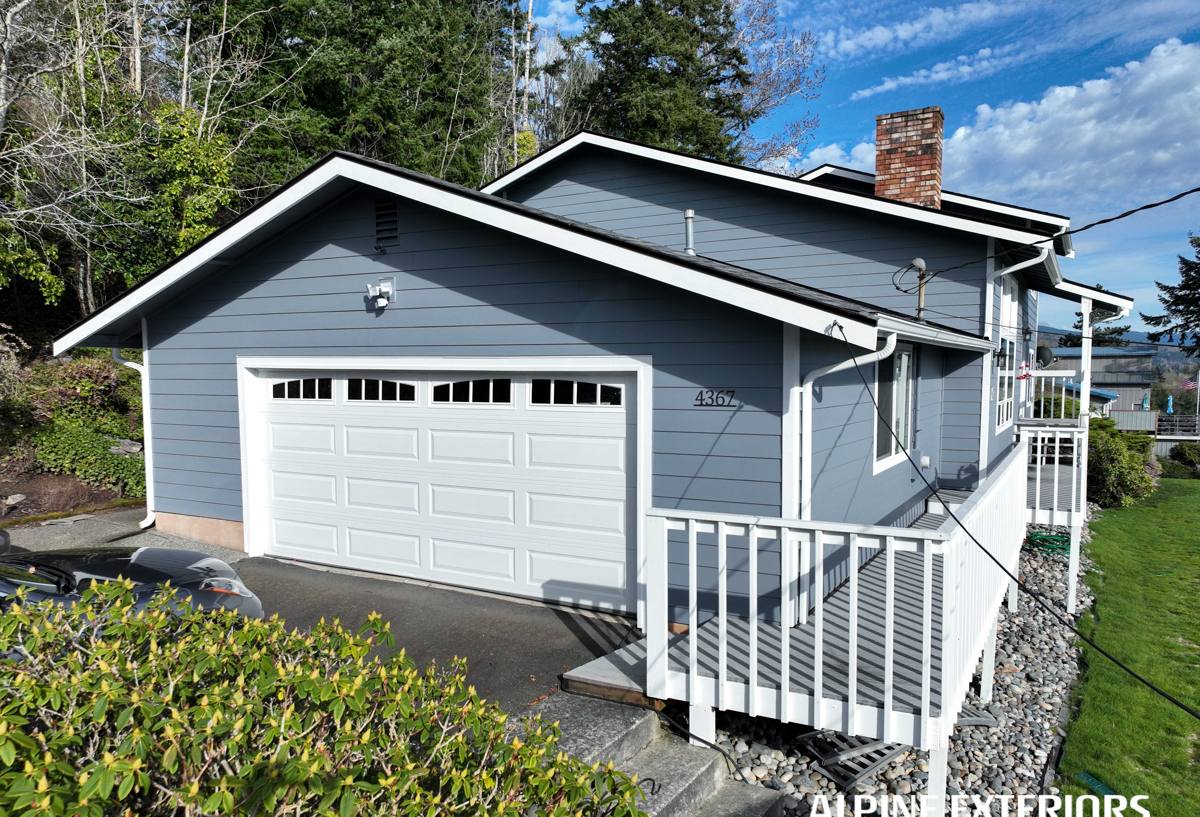
What a Correct Deck Replacement Actually Involves
Replacing a deck isn't just pulling up old boards and screwing down new ones. On a barrier island property, the framing, fasteners, and attachment points matter more than the decking material itself, because those are the parts that determine whether the new deck lasts 8 years or 25.
Framing and Fasteners
Standard hot-dip galvanized hardware corrodes faster in salt air than it would a few miles inland. We spec stainless steel or coastal-rated (often marine-grade or heavy triple-coat) fasteners, joist hangers, and structural screws for anything exposed to salt spray, and we match fastener metal to the decking material to avoid galvanic corrosion between dissimilar metals. Pressure-treated framing lumber should be rated for ground contact where posts meet footings, and any cut ends need to be field-treated before they're buried or enclosed.
Ledger Board Attachment
Where the deck attaches to the house is the single most common failure point we find on tear-outs, and it's almost always hidden until demolition starts. Improper or missing flashing behind the ledger board lets wind-driven rain track behind the siding and into the house framing over time. A correct replacement flashes the ledger properly, uses through-bolts rather than lag screws where spans call for it, and confirms the house-side framing hasn't already taken on hidden water damage before new decking goes over it.
Footings and Post Bases
Wind uplift, not just vertical load, is the design concern for open decks in our part of Florida. Footing depth, post-to-beam connectors, and hurricane ties all get sized to resist wind trying to lift the deck rather than just carry the weight of people standing on it. Post bases should keep wood off direct concrete contact to reduce moisture wicking, which matters even more in a location with high water tables and frequent heavy rain.
Choosing Decking Material for Salt Air and Sun
There's no single "best" decking material for every Bradenton Beach property — it depends on budget, maintenance appetite, and how exposed the deck is to direct salt spray. Here's how the common options actually compare in this environment.
| Material | Salt-Air Durability | Maintenance | Typical Lifespan Here | Trade-Offs |
|---|---|---|---|---|
| Pressure-treated wood | Good if maintained; fasteners are the weak point | Re-seal or stain every 1-2 years | 10-15 years | Lowest upfront cost, most upkeep, can cup or splinter under intense UV |
| Capped composite | Very good; caps resist salt and moisture intrusion | Occasional wash, no sealing | 20-25+ years | Higher upfront cost, surface can still fade or scratch over time |
| Cellular PVC | Excellent; no wood fiber to absorb moisture or salt | Wash only | 25-30 years | Highest upfront cost, can flex more underfoot, appearance is more uniform/less "wood-like" |
| Tropical hardwood | Good natively but fasteners and hardware still corrode | Oiling every 6-12 months to hold color | 15-25 years structurally | Dense and heavy, premium cost, needs consistent maintenance to avoid graying |
We don't push one material on every job. If a homeowner wants real wood and is willing to maintain it, pressure-treated or hardwood decking done with the right fasteners and flashing will hold up fine. If low maintenance is the priority, capped composite or PVC earns its higher price tag over a 20-year horizon. What we won't do is install any decking material over framing or fasteners that aren't suited to salt exposure, regardless of what's on top — that's where premature failures actually start.
Railings, Stairs, and Code Requirements
Florida Building Code and Manatee County's local amendments set minimum requirements for guard height, baluster spacing, stair rise/run, and structural connections, and those requirements get enforced through permit inspection, not left to judgment. A correctly built deck replacement meets guard height minimums (generally 36 inches for residential decks, more for commercial or elevated conditions), keeps baluster gaps narrow enough that a small child can't pass through, and uses graspable handrails on stairs with the required number of risers.
Wind load is where local code diverges most from what you'd see inland. Manatee County enforces wind speed design requirements that affect railing post attachment, guard bracing, and overall structural connections, especially on decks with any elevation or exposure to open water. Skipping these details might pass a casual glance, but it won't pass inspection, and more importantly, it won't hold up in the next named storm.
Our Deck Replacement Process
- On-site inspection: We assess the existing deck, framing, ledger attachment, and any hidden moisture damage before quoting anything.
- Scope and material selection: We walk through decking and hardware options based on your budget, maintenance preference, and how exposed the deck is to salt spray and sun.
- Permitting: We pull the required permit through the applicable local building department and design to current wind load and guard code requirements.
- Demolition: Old decking, framing, and fasteners come out, and we inspect the ledger and house framing behind it before anything new goes in.
- Framing and flashing: New footings, posts, beams, joists, and ledger flashing go in to code, using coastal-rated hardware throughout.
- Decking, railings, and stairs: Final surface material, railings, and stairs are installed and fastened per the manufacturer's coastal exposure guidelines.
- Final inspection: The completed deck is signed off by the local building inspector before we call the job done.
Permitting in Manatee County and Bradenton Beach
Deck replacement almost always requires a permit, and skipping that step creates real problems later — unpermitted structural work can complicate a home sale, an insurance claim, or a future renovation. Because Bradenton Beach sits on a barrier island, some properties fall into flood zones or have elevation considerations that affect footing design and post height, which the permitting process catches early rather than after construction. A contractor who pulls permits routinely in this specific jurisdiction knows what the reviewers will flag before submission, which keeps the timeline predictable instead of stuck in review cycles.
Why a Crew That Already Works Bradenton Beach Matters
A deck built to generic specs, or by a crew that mostly works inland jobs, often looks fine at handoff and starts showing problems within a few years — corroding fasteners, a ledger board that was never properly flashed, or railing posts that weren't braced for real wind exposure. A crew that regularly works Bradenton Beach and the surrounding barrier island communities already knows which fastener grades hold up here, which flashing details actually stop wind-driven rain, and what the local permitting office expects to see on a submission. That familiarity isn't a marketing line — it shows up in fewer callbacks and a deck that's still solid a decade later.
Signs Your Deck Needs Replacement, Not Repair
- Soft, spongy spots anywhere on the deck surface or around post bases
- Rust staining around fasteners, joist hangers, or railing posts
- Visible gaps, staining, or discoloration on the siding directly above the ledger board
- Boards that have cupped, split, or delaminated across a large portion of the surface
- Railings or posts that feel loose or move when pushed laterally
- A structure that predates current wind load code and has never been evaluated against it
If your deck shows one or two of these signs in isolated spots, a repair may genuinely be enough. If several show up together, or the framing underneath is compromised, replacement is usually the more honest recommendation — and the more cost-effective one over time, since patching failing framing rarely holds up as long as starting fresh.
If you're weighing repair versus replacement, or just want a straight answer on what your Bradenton Beach deck needs, we're happy to take a look. The estimate is free, there's no pressure, and you'll get a clear explanation of what we find — use the form below to get started.