 Bradenton Siding
 Composite Decking for Ellenton Homes
Ellenton sits in the transitional zone between Bradenton and the Tampa Bay corridor, and its homes take the same beating every property in Manatee County takes: long stretches of blazing UV, humidity that never really lets up, sudden downpours, and the occasional direct hit from tropical weather. A deck built here isn't a weekend backyard upgrade you install once and forget — it's an outdoor structure that has to survive a genuinely hard climate for fifteen, twenty, or more years. Composite decking has become the go-to choice for Ellenton homeowners who are tired of refinishing pressure-treated wood every spring, or who watched a neighbor's deck cup and split after just a few Florida summers.
This page is about that one job — composite decking, installed correctly, for houses in and around Ellenton. Not a generic decking overview. What follows is what actually matters here: how the local climate stresses a deck, what a correct installation looks like, how we run the job from estimate to final walkthrough, and why local experience isn't a marketing line but a practical advantage.
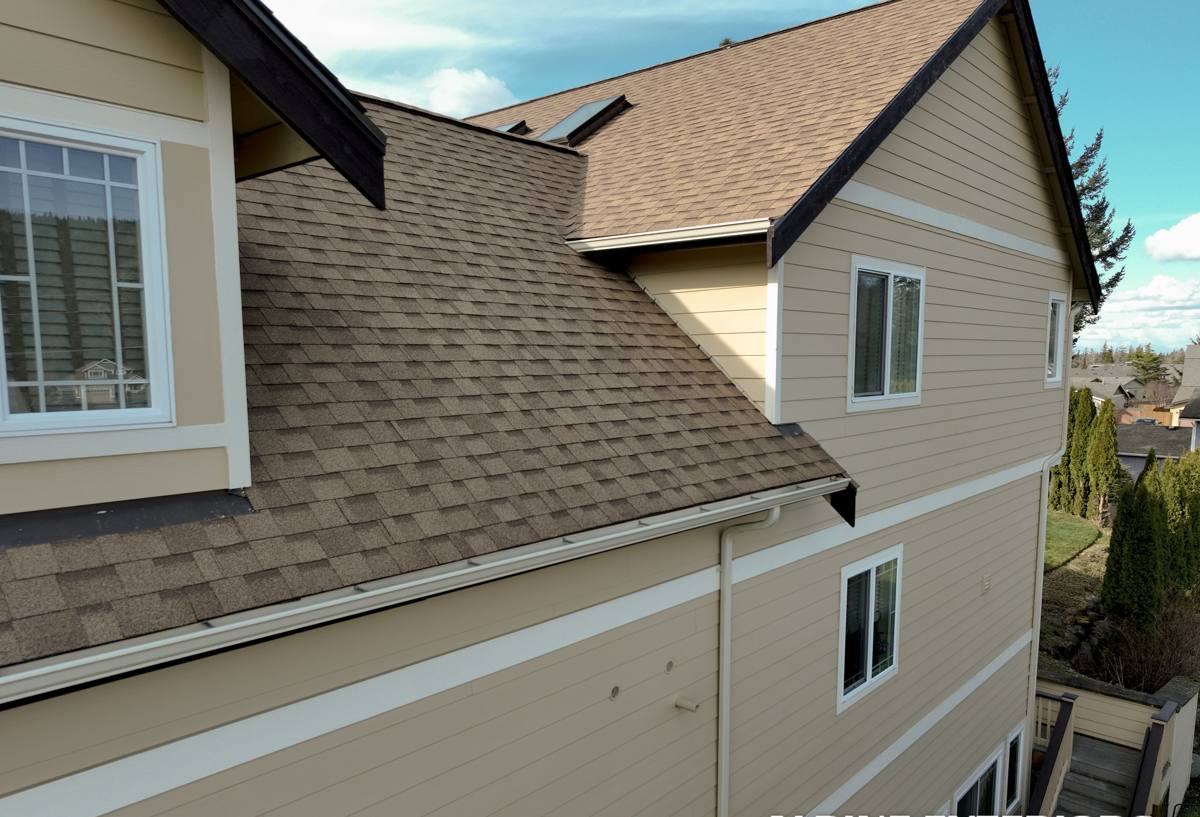
What Bradenton's Climate Actually Does to a Deck
Every material choice on this page traces back to the same set of stressors, and they don't take turns — they hit a deck simultaneously, year-round.
UV and heat
Florida sun is intense for most of the year, and a west- or south-facing deck can see direct exposure for eight or more hours a day in summer. Untreated or poorly finished wood grays, dries out, and splinters under that kind of exposure. Cheap composite boards without real UV inhibitors can fade unevenly within a couple of seasons.
Wind-driven rain and humidity
Manatee County doesn't get gentle rain — it gets wind-driven rain that finds its way into every gap, fastener hole, and end cut. Combined with ambient humidity that rarely drops, any decking material that isn't genuinely moisture-resistant stays damp longer than it should, which is exactly the condition that breeds rot, mold, and fastener corrosion.
Salt air
Ellenton isn't beachfront, but it's close enough to the Gulf and Tampa Bay that salt-laden air still reaches inland properties, especially on breezy days. Salt accelerates corrosion in fasteners, hardware, and any metal framing components that aren't rated for coastal exposure.
Hurricane-force wind
Tropical storms and hurricanes are a fact of life on this coast. A deck's structure — ledger attachment, joist spacing, post footings, railing anchorage — has to be built to hold under wind loads, not just look good on a calm day.
None of these are exotic risks. They're the baseline conditions any deck in this area has to be designed around, and they're the reason we treat composite decking as a full building project, not a surface upgrade.
Composite vs. Wood vs. PVC: What Actually Fits Ellenton
There's no single "best" decking material for every home — but for this climate, the trade-offs are pretty clear once you lay them out honestly.
| Material | Coastal Climate Performance | Maintenance | Typical Lifespan |
|---|---|---|---|
| Pressure-treated wood | Prone to cupping, splitting, and splinter from UV and moisture cycling; needs sealing to slow it down | Annual sealing/staining recommended | 10-15 years with upkeep |
| Composite decking (capped) | Resists moisture absorption, fading, and salt exposure well; consistent performance in sun and rain | Periodic washing; no sealing or staining | 25-30+ year warranties from major manufacturers |
| PVC/vinyl decking | Fully moisture-proof, very light; can flex more and shows tool marks/scratches more readily | Low; occasional washing | Similar to capped composite |
| Uncapped composite (older-generation) | Better than wood but can still absorb moisture at cut edges and fade over time | Low, but not maintenance-free | 15-25 years |
For most Ellenton homeowners, capped composite hits the right balance: it handles UV and moisture far better than wood without the higher cost and different feel of full PVC systems. We'll talk through the honest trade-offs for your specific deck during the estimate rather than pushing one product line by default.
What a Correct Composite Decking Install Actually Involves
The decking boards get all the attention, but in a climate like this, the substructure and details underneath are what determine whether the deck survives its first hurricane season — let alone its tenth.
Substructure and fasteners
Joists and framing need to be rated for ground contact or properly protected, spaced correctly for the specific composite board being used (composite often requires tighter joist spacing than wood), and fastened with corrosion-resistant hardware suited to salt-air exposure. Cutting corners on fasteners here is one of the most common causes of early hardware failure we see on older decks in this area.
Ledger attachment and structural connections
If the deck attaches to the house, that ledger connection has to be flashed and fastened to resist both moisture intrusion into the home and wind uplift. This is one of the most safety-critical parts of the entire project and not a place to guess.
Drainage and airflow
Standing water and trapped moisture under a deck are what cause hidden rot in the framing even when the visible composite boards look fine. Proper grading, gapping, and ventilation underneath the deck keep humidity from turning into a long-term structural problem.
Expansion gaps and fastening pattern
Composite boards expand and contract with heat, more than most homeowners expect. Installers who don't leave correct gapping or who over-fasten boards end up with buckling, warping, or squeaking decks within a year or two — a common warranty-voiding mistake.
Railing and post anchoring
Railings need to meet code height and load requirements and be anchored to resist wind loads, not just decorative composite trim screwed to the surface.
Our Process, Start to Finish
- Free on-site estimate. We look at your existing structure or planned footprint, sun exposure, drainage, and how the deck ties into your home before quoting anything.
- Design and material selection. We walk through composite board options, colors, and railing systems that fit your budget and the way you'll actually use the space.
- Permitting. Manatee County and the City of Bradenton have permitting and inspection requirements for deck construction, especially anything structural or attached to the house. We handle that process rather than leaving it to you.
- Demolition or site prep. If we're replacing an old wood deck, we remove and dispose of it and inspect the ledger and any framing that will be reused.
- Framing and structural work. Joists, ledger, footings, and posts go in to spec, built for both the composite manufacturer's requirements and local wind-load expectations.
- Decking, railing, and trim installation. Boards are installed with correct spacing, fastening, and expansion gaps; railing is anchored and finished.
- Final walkthrough and inspection. We review the finished deck with you, confirm everything passes any required inspection, and go over the low maintenance routine that keeps it looking right.
Choosing the Right Composite Board for This Climate
Not every composite product is built the same way, and in a market this demanding, the differences matter more than the marketing.
- Capped composite — a protective polymer shell wraps the board, which is the biggest factor in resisting Florida UV fade and moisture absorption at cut ends.
- Color and heat — darker composite boards absorb more heat and can get hot to the touch in direct summer sun; lighter and streaked color patterns run noticeably cooler underfoot.
- Fade and stain warranties — manufacturers back their better product lines with real warranties against fading and staining; that warranty is only as good as a correctly documented, professional installation.
- Grip and slip resistance — with wind-driven rain a regular occurrence, textured composite surfaces matter more here than in drier climates.
- Hardware compatibility — the fastener and clip systems are specific to each composite line, and mixing incompatible hardware is a common source of squeaks and loosening over time.
We'll bring samples to your estimate so you can see and feel the color and texture options in actual outdoor light, not a showroom.
Maintenance: What Composite Actually Needs
Composite decking's biggest selling point is low maintenance, not zero maintenance. A realistic routine for an Ellenton deck looks like this:
- Sweep off debris, leaves, and pollen regularly so it doesn't trap moisture against the board surface.
- Wash the deck with mild soap and water a few times a year, more often under trees or near sprinklers with hard water.
- Check railing connections and fasteners annually, especially after a rough storm season.
- Keep gutters and downspouts clear so runoff isn't dumping extra water onto or under the deck.
- Avoid dragging metal furniture or grills directly across the surface to prevent scratching the cap layer.
That's it. No annual sanding, staining, or sealing — which is exactly the trade-off most homeowners are making the switch for.
What to Ask Before Hiring a Deck Contractor
Composite decking is expensive enough, and structurally important enough, that it's worth vetting whoever you hire. A short checklist worth going through:
- Are they licensed and insured to do structural work in Manatee County?
- Will they pull the required permit, or are they asking you to skip it?
- Can they explain joist spacing and fastening requirements specific to the composite brand they're recommending?
- Do they use corrosion-resistant, coastal-rated hardware as standard, not an upcharge?
- Will the manufacturer's product warranty stay valid based on how they install it?
- Do they have experience with decks in this specific area, dealing with this specific climate?
Why Local Ellenton Experience Matters
A composite deck built to a generic national spec sheet and a composite deck built for a house that has to survive Bradenton's sun, salt air, and hurricane season are not the same project. Crews who already work in Ellenton and the surrounding Manatee County area know which framing details hold up here, which fastener grades actually resist salt-air corrosion long-term, and how local permitting and inspection actually runs — not just what the code book says. That local pattern-recognition is the difference between a deck that needs attention again in five years and one that's still solid at twenty.
If you're planning a new composite deck or replacing a tired wood one in Ellenton, we're happy to come take a look, walk the site with you, and put together a straightforward estimate — no pressure, no hard sell, just an honest read on what your home needs. Use the form below to get started.