 Bradenton Siding
 Ellenton Homes Take a Different Kind of Beating
Ellenton sits in the part of Manatee County that gets the full Gulf Coast weather package — hurricane-force wind events during storm season, intense sun that barely lets up across the calendar year, wind-driven rain that hits walls sideways instead of straight down, and salt-laden air moving in off the water. None of those forces are occasional inconveniences here. They're the baseline conditions every exterior surface on an Ellenton home has to survive, year after year, without a break long enough to fully recover between cycles.
Siding is the first thing standing between that weather and the structure of the house. When it's the wrong material, or the right material installed the wrong way, the effects show up as cupping panels, cracked caulk lines, faded finishes, and eventually water finding its way behind the wall. This page is about one specific job done right: fiber cement siding on an Ellenton home, installed by a crew that treats the local climate as a design input, not an afterthought.
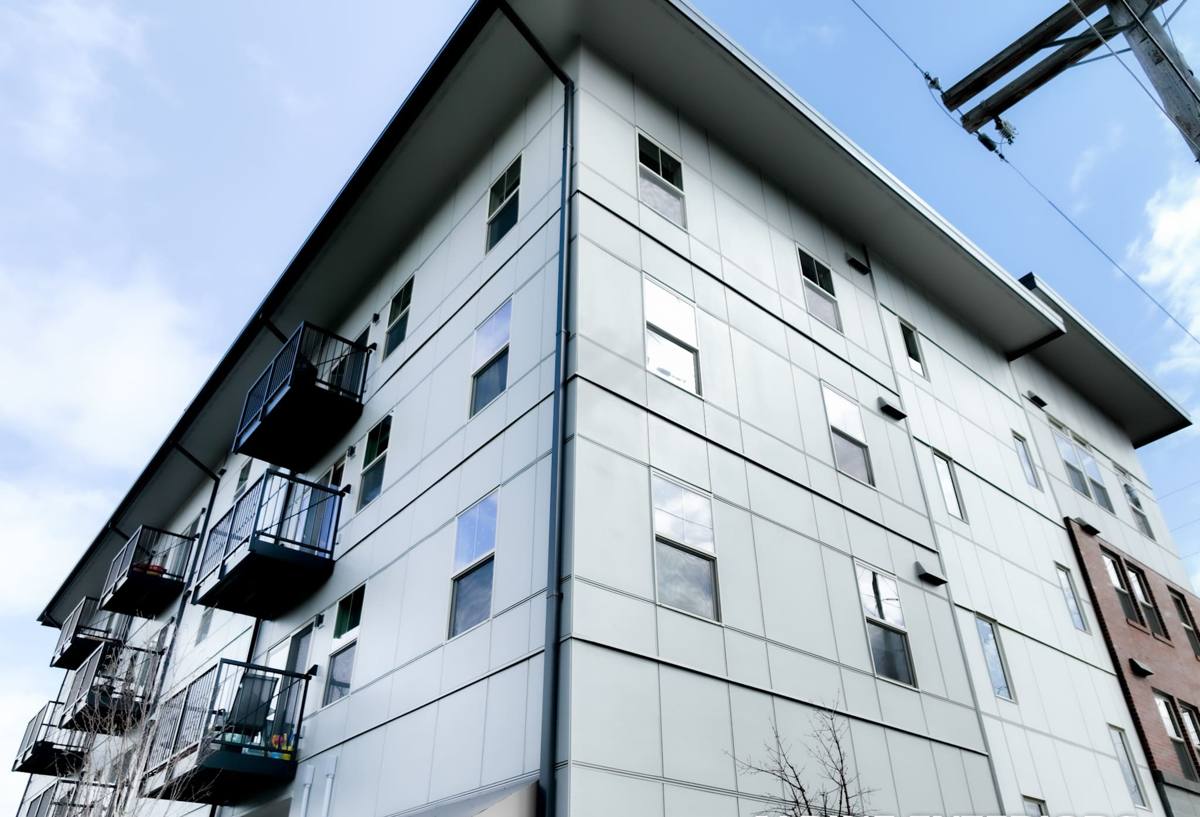
What Fiber Cement Siding Actually Is
Fiber cement is a composite of Portland cement, sand, and cellulose fiber, cured into a rigid, dimensionally stable board. Unlike wood-based siding, it doesn't swell and shrink the way solid or engineered wood does when it absorbs and releases moisture. Unlike vinyl, it doesn't soften, warp, or become brittle across the temperature extremes that a Florida summer and winter can put it through in the same year. It holds paint and factory finishes far better than either alternative because its surface doesn't move underneath the coating the way wood fiber can.
Why We Standardized on James Hardie Specifically
We install James Hardie fiber cement products exclusively — not other fiber cement brands, and not vinyl, engineered wood, or primed wood siding. That's a deliberate professional standard, not brand loyalty for its own sake. Hardie's HZ5 product line is engineered for climates exactly like Manatee County's: higher humidity, more rain exposure, and a longer, harsher UV season than most of the country ever deals with. The ColorPlus factory finish is baked on under controlled conditions, which gives it more consistent UV and color-fade resistance than field-applied paint can match, and it's backed by a transferable warranty that matters if an Ellenton home changes hands. We've made the call that installing one product line correctly, on every job, produces a better long-term result than installing several products across a range of quality tiers.
What a Correct Fiber Cement Job Involves
Fiber cement's performance record depends almost entirely on installation detail. The material itself is durable, but every manufacturer warranty and every real-world failure story traces back to how the boards were fastened, flashed, and sealed — not whether fiber cement was the right choice in the first place.
Fastening Patterns Built for Wind
Manatee County's wind exposure calls for fastening schedules that match the manufacturer's high-wind installation instructions, not the minimum spacing used in calmer climates. That means correct nail placement relative to the board's edge, consistent penetration into structural framing rather than just sheathing, and attention to corners and field edges where wind uplift concentrates first during a storm event.
Flashing and Water Management
Every window, door, and penetration through the siding is a potential entry point for wind-driven rain. Correct flashing sequencing — installed so each layer sheds water onto the layer below it, never behind it — is what keeps that rain moving down and out instead of finding its way into the wall cavity. This is one of the most commonly shortcut steps on rushed jobs, and it's invisible from the ground once the siding goes up, which is exactly why it has to be done right the first time.
Caulking and Sealant Joints
Fiber cement panels need gapping and sealant at butt joints, trim, and penetrations per manufacturer spec — not too tight, not too loose, and with a sealant rated for continuous UV exposure. Under Ellenton's sun load, a lower-grade or misapplied sealant will fail years before the siding itself shows any wear, and a failed joint is a direct path for water intrusion.
Clearances and Ground Contact
Fiber cement needs a minimum clearance from grade, roof lines, and horizontal surfaces to avoid sustained moisture contact at the bottom edge of the wall. Getting this wrong is one of the more common ways an otherwise well-installed fiber cement wall develops localized damage at the base over time.
Fiber Cement Against the Alternatives, for This Climate
Homeowners comparing siding options for an Ellenton property are usually weighing fiber cement against vinyl, engineered wood, or aluminum. Here's how those options actually hold up against the specific conditions this area produces.
| Material | Wind & Impact Resistance | Moisture Behavior | UV / Color Retention | Typical Long-Term Care |
|---|---|---|---|---|
| James Hardie fiber cement | Strong when fastened to spec; rigid, doesn't flex under gusts | Doesn't absorb and swell; joint detailing is what matters | Factory ColorPlus finish resists fading well | Occasional rinse; repaint only if uncoated or damaged |
| Vinyl siding | Can crack, warp, or blow off in high wind; softens in heat | Doesn't absorb, but seams and channels trap water | Fades and chalks noticeably over time in strong UV | Low upkeep but limited repair options once faded |
| Engineered wood / primed spruce | Moderate; edges vulnerable to impact | Absorbs moisture at cut edges; swells and can delaminate | Needs repainting on a regular cycle | Ongoing paint maintenance and edge sealing |
| Aluminum siding | Dents easily; can loosen under sustained wind | Doesn't absorb water, but seams and fasteners corrode | Finish chalks and fades; salt air accelerates corrosion | Requires corrosion checks in coastal exposure |
The pattern that matters most for this area is how each material handles repeated wet-dry cycling under intense sun, combined with the corrosive effect of salt air on fasteners and trim. Fiber cement's dimensional stability and factory-cured finish are why it holds up better through that specific combination than the alternatives.
What Actually Drives the Cost of a Fiber Cement Job in Ellenton
Every fiber cement estimate is a little different, but the variables that move the number are consistent. Knowing them ahead of time makes it easier to understand why two quotes for the same house might land differently.
| Cost Factor | Why It Matters Locally |
|---|---|
| Existing wall condition | Hidden moisture or sheathing damage found during tear-off adds repair scope before new siding can go on |
| Home shape and trim detail | More corners, penetrations, and trim lines mean more flashing and cutting labor |
| Board profile and finish selection | Lap width, texture, and ColorPlus color selection affect material cost |
| Wind zone and fastening requirements | Manatee County's exposure often calls for tighter fastening schedules than a calmer inland climate |
| Access and site conditions | Landscaping, fencing, and structure height affect staging and labor time |
How Our Process Works, Start to Finish
On-Site Assessment
We walk the property, note the wall assembly's current condition, check for signs of past moisture intrusion, and measure exposure by wall orientation — the sides of an Ellenton home facing prevailing storm winds typically need the most attention to flashing and fastening detail.
Material Staging
Boards are staged on-site and allowed to acclimate per manufacturer guidance before installation, which reduces the risk of movement after the boards are fastened and finished.
Installation
Old siding and any compromised sheathing come off, the water-resistive barrier gets inspected or replaced, flashing goes in at every penetration and transition, and boards go up following Hardie's fastening schedule for this wind zone — not a generic minimum spec.
Final Walkthrough
We check caulk lines, trim, and corners before calling a job finished, and we walk the property with the homeowner so nothing gets missed before we consider the work complete.
Why It Matters That This Crew Already Works Ellenton
A crew that only occasionally works this part of Manatee County has to relearn the local conditions on every job — which wall orientations take the worst of the wind, how quickly sealants degrade under this UV load, and how salt air exposure changes fastener and trim choices near the coast. A crew that already works Ellenton regularly has that knowledge built in before the first board goes up, which shows up in fewer callbacks and a wall assembly that's detailed for what it will actually face, not a generic installation pulled from a manual written for a different climate.
Local familiarity also matters for permitting and inspection. Wind-load and fastening requirements in this part of Florida are stricter than in much of the country, and a crew that pulls permits here regularly knows what inspectors are looking for and builds to that standard from the start rather than treating it as an afterthought.
A Homeowner's Checklist for a Correct Ellenton Fiber Cement Job
- Manufacturer-specified fastening pattern for this wind zone, not a generic minimum spacing
- Flashing installed and sequenced correctly at every window, door, and penetration
- Proper clearance maintained between siding and grade, roof lines, and decks
- Correct joint gapping with a UV-rated sealant at butt joints and trim
- Water-resistive barrier inspected or replaced, not simply covered over
- Boards acclimated on-site before installation per manufacturer guidance
- Factory-finished ColorPlus boards handled to avoid cut-edge exposure without sealing
- Written scope covering tear-off, disposal, and any sheathing repair found along the way
Maintenance After Installation
Correctly installed James Hardie siding is low-maintenance, not no-maintenance. A periodic rinse to clear salt residue and airborne debris, a visual check of caulk joints after major storm seasons, and prompt attention to any impact damage will keep a fiber cement wall performing the way it's designed to for decades. Because the ColorPlus finish is factory-applied, there's no repainting cycle to plan around under normal conditions — repainting only becomes necessary if a section is damaged down to bare board or if a color change is wanted down the road.
Get a Straight Answer for Your Ellenton Home
Every Ellenton property carries its own mix of sun exposure, wind direction, and wall condition, and the right scope of work depends on seeing it in person rather than guessing from a general estimate. If you're weighing fiber cement siding for your home, we're glad to walk the property, answer questions honestly, and put together a free, no-pressure estimate using the form below.