 Bradenton Siding
 Why Holmes Beach Windows Need to Be Built Different
Holmes Beach sits on Anna Maria Island, close enough to the Gulf that salt air, humidity, and direct sun hit every window on a house nearly every day of the year. That combination is harder on windows than almost anywhere else in Manatee County. Standard replacement windows sold at big box stores are engineered for inland climates — they're not built to handle salt-laden air corroding hardware, UV breaking down seals and vinyl, or the wind loads a barrier island home has to withstand during storm season.
When we talk about "energy-efficient windows" for a Holmes Beach home, we're really talking about two things at once: keeping conditioned air inside so cooling costs don't run away from you, and choosing a window built to survive the environment it's installed in. Get either one wrong and you end up replacing windows again in a fraction of their expected lifespan.
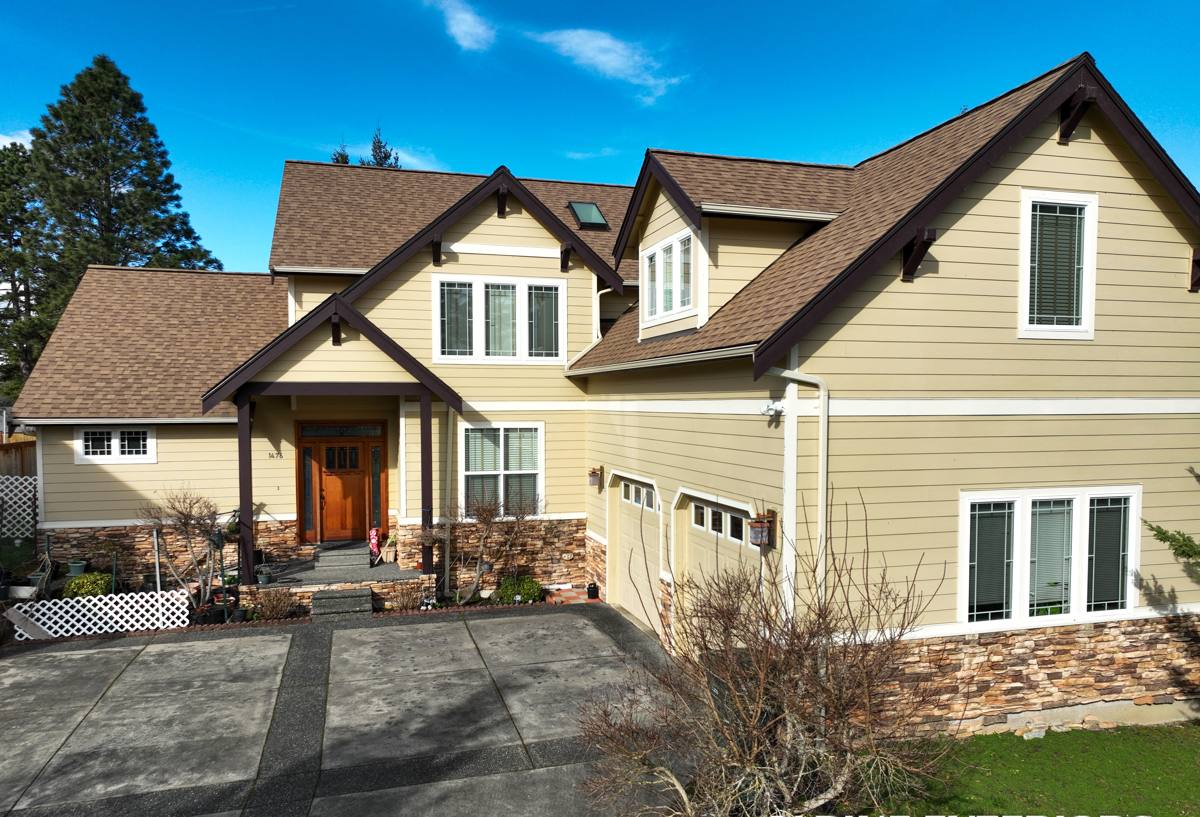
What Energy Efficiency Actually Means in This Climate
Energy efficiency isn't a single feature — it's a set of choices that work together. For a home this close to the Gulf, the priorities are a little different than they'd be for a house forty miles inland.
Solar Heat Gain Is the Big One
Florida's year-round sun means solar heat gain coefficient (SHGC) usually matters more here than winter insulation values. A low-SHGC glass package blocks a large share of the sun's heat before it ever gets inside, which takes real, ongoing load off your air conditioner. On a west- or south-facing elevation, this single spec can be the difference between a room that stays comfortable and one that never quite cools down.
Low-E Coatings and Gas Fills
Low-emissivity (low-E) coatings reflect infrared and UV energy while still letting visible light through, so rooms stay bright without turning into greenhouses. Paired with an insulated glass unit (argon or air-filled, depending on the product), this is what actually reduces heat transfer through the glass — the largest single source of heat gain or loss in most window assemblies.
Frame Material and Seal Quality
Glass gets most of the attention, but a well-built frame with tight, correctly installed weatherstripping and properly sealed joints does as much for comfort and utility bills as the glass package itself. A great pane of glass in a poorly sealed frame still leaks air.
Impact-Rated and Energy-Efficient: Why This House Needs Both
On Anna Maria Island, windows aren't optional between hurricane season and comfort — they have to do both jobs at once. Impact-rated windows use laminated glass bonded to a plastic interlayer, so the glass can crack under wind-borne debris without opening a hole in your exterior. That's a building-code and insurance consideration for many Holmes Beach properties, not just a nice-to-have.
The good news is that modern impact windows aren't a trade-off against efficiency — laminated glass and multi-chamber frames often perform as well or better on energy ratings than standard windows, because the extra layer of glass and interlayer adds insulating value along with impact resistance.
| Window Type | Wind/Impact Protection | Energy Performance | Best Fit |
|---|---|---|---|
| Standard non-impact, low-E | Requires separate shutters or panels to meet code in wind zones | Good, if properly rated | Interior rooms not exposed to storm shutters requirement, budget-conscious upgrades |
| Impact-rated laminated glass | Meets Florida Building Code coastal wind zone requirements without added shutters | Very good — laminate layer adds insulating value | Most Holmes Beach exteriors, especially street- and water-facing walls |
| Impact-rated with low-E/argon package | Same protection as above | Best available — combines impact laminate with reflective coatings | West/south exposures, rooms with heavy AC load |
We'll walk you through which category makes sense for which elevation of your home — not every window needs the top-tier package, but the ones taking direct sun or wind exposure usually benefit from it.
Frame Materials That Hold Up to Salt Air
Material choice matters as much here as glass choice. Salt air accelerates corrosion on hardware and finishes, and constant UV exposure breaks down lesser vinyl and weakens seals over time.
- Vinyl: Common and cost-effective, but quality varies widely — look for UV-stabilized vinyl rated for coastal use, not a generic inland product.
- Fiberglass: Handles temperature swings and UV exposure well with minimal expansion/contraction, which helps seals last longer.
- Aluminum: Strong and slim-profile, but needs a marine-grade or coastal-rated finish and stainless or coated hardware to resist salt corrosion — standard aluminum hardware will pit and stain faster here than inland.
- Wood or wood-clad: Beautiful, but high-maintenance in a salt environment; we're honest with clients that this is rarely the practical choice for exposed elevations on the island.
Whatever the frame material, the hardware — hinges, locks, cranks — should be corrosion-resistant. This is one of the most overlooked details in a window purchase, and it's usually the first thing to fail on a coastal home.
What a Correct Installation Actually Involves
A quality window is only half the job. Installation is where most of the real-world performance — and most failures — actually happen.
Proper Flashing and Sealing
Wind-driven rain in a coastal storm doesn't fall straight down — it drives sideways into walls. Flashing has to be layered correctly around each opening so water is directed out, not trapped behind the window where it can rot framing or grow mold before you ever see a stain.
Correct Fastening for Wind Load
Impact windows are only as strong as their anchoring. Fastener type, spacing, and embedment depth into the substrate all have to match the window's engineering approval and the wall construction behind it — this is a code and inspection item, not a guess.
Shimming and Squaring
A window that's out of square won't seal or operate correctly no matter how good the product is. This step gets rushed on production-line installs; it shouldn't be.
Interior and Exterior Sealant
The right sealant, applied correctly at both the interior and exterior joints, is what keeps conditioned air in and moisture out for the long haul — not just at the walkthrough, but five and ten years later.
Our Process for Holmes Beach Window Projects
- On-site assessment. We look at each elevation's sun exposure, current window condition, and any moisture or seal issues before recommending anything.
- Product selection. We recommend glass packages and frame materials matched to each elevation — not a one-size-fits-all spec for the whole house.
- Permitting. Coastal wind zone work in Manatee County requires permits and inspections; we handle that process so it's done correctly, not skipped.
- Removal and installation. Old units come out, openings are inspected and flashed properly, new windows go in plumb, level, and square.
- Sealing and finish work. Interior and exterior sealant, trim, and a final operational check on every window before we call it done.
- Walkthrough. We show you what was done and answer questions before we consider the job finished.
Signs Your Current Windows Are Costing You Money
Homeowners often live with underperforming windows for years without realizing how much they're paying for it. A few things worth checking:
- Glass or frames feel warm to the touch on the interior side during peak afternoon sun
- Visible condensation or fogging between panes — a sign the seal has failed
- Hardware that's stiff, corroded, or won't lock smoothly
- Noticeable outside noise that seems louder than it used to be
- Drafts you can feel near the frame, even with the window closed and locked
- Cracking, chalking, or discoloration on the frame material itself
Any one of these usually means the window is no longer doing its job — either letting conditioned air escape or letting heat and moisture in, both of which show up on your energy bill over time.
Why Hiring a Crew That Already Works Holmes Beach Matters
Coastal wind zone permitting, product approvals, and inspection requirements in this part of Manatee County aren't the same as general residential work elsewhere in the state. A crew that regularly works Holmes Beach and the surrounding barrier island communities already knows which products carry the right approvals, what inspectors are looking for, and how salt exposure changes material choices — that's knowledge you don't want your project to be the one paying to acquire.
It also means fewer surprises: realistic timelines around weather, straightforward answers about what a given window package will and won't do, and a crew that's seen how these homes hold up over years, not just at installation.
Get a Straight Answer for Your Home
Every Holmes Beach home has its own mix of sun exposure, window age, and wind zone requirements — there's no substitute for having someone look at your actual house before recommending a fix. If you'd like an honest, no-pressure estimate on energy-efficient windows for your home, fill out the form below and we'll take it from there.