 Bradenton Siding
 Building or Framing a Home in Samoset? The Windows Are Not an Afterthought
Samoset sits close enough to Tampa Bay and the Gulf that every home here answers to the same set of demands: hurricane-force wind, wind-driven rain that finds any gap in a rough opening, UV exposure that runs year-round instead of seasonal, and salt-laden air that works on hardware and fasteners even miles inland. When a home is under new construction or a major addition, the window package gets specified once and lived with for decades. Getting the product, the opening prep, and the installation sequence right at this stage is far cheaper than fixing a leak or a failed seal after drywall and finishes are in.
This page covers new-construction window work specifically — installing windows into a framed, unfinished opening as part of a build — as opposed to replacing existing windows in a finished home. The two jobs use different products, different techniques, and different code paths, and confusing them is one of the most common ways a Manatee County build ends up with a window problem that shows up during the first big storm season.
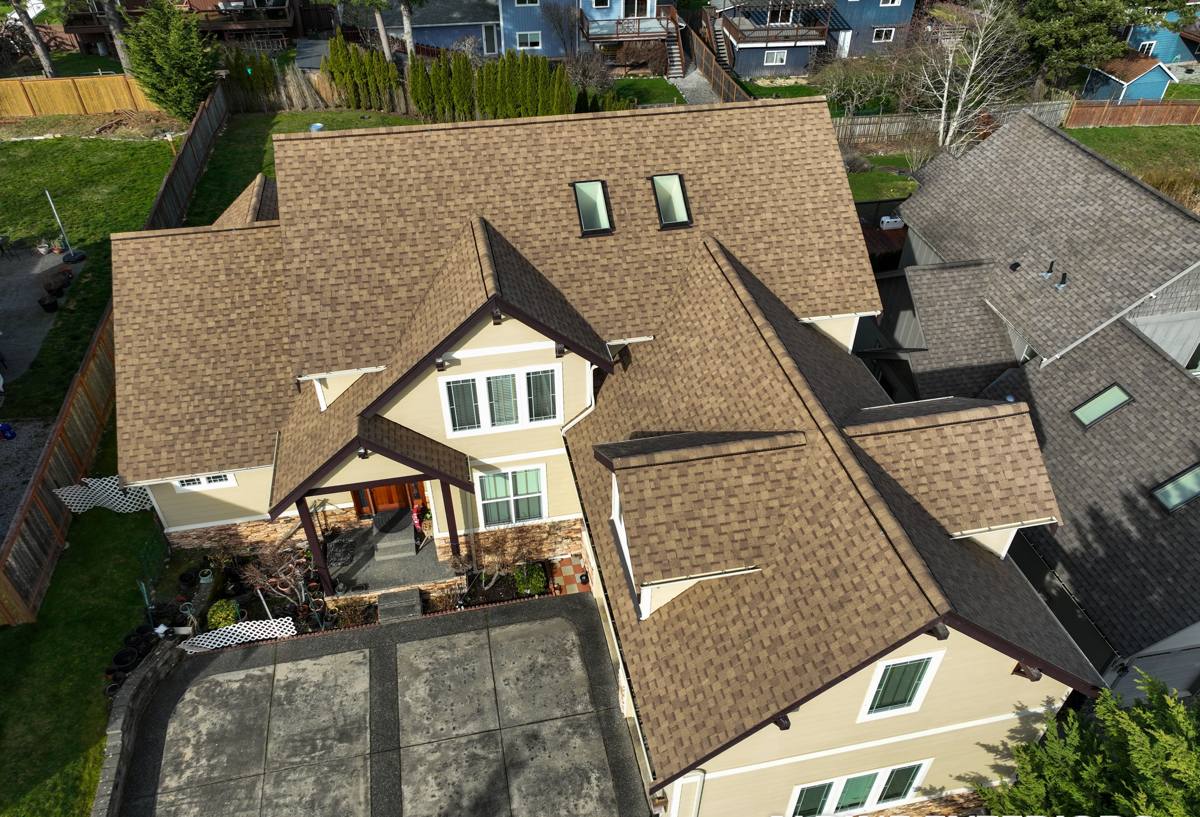
New-Construction Windows vs. Replacement Windows
Homeowners and even some builders use these terms interchangeably, but they describe two different products and two different installation methods. Getting this distinction right matters for cost, timeline, and how the window will perform.
| Factor | New-Construction Window | Replacement Window |
|---|---|---|
| Frame style | Has a nailing fin or flange around the perimeter | Flangeless, sized to fit inside the existing frame |
| Where it's used | Open, framed rough opening before exterior finish goes on | Existing home, opening already finished with siding/stucco |
| Water management | Fin ties into the house wrap and flashing system directly | Relies on sealant and the condition of the existing opening |
| Best fit for Samoset builds | New homes, additions, full stucco or siding replacement projects | Window-only upgrades on an otherwise finished exterior |
Because Samoset has a mix of older homes getting additions or reroofs alongside genuinely new builds, we see both jobs regularly. On any project where the wall is open down to the studs — new construction, an addition, or a full re-side — the nailing-fin window is almost always the right call, because it lets us build a continuous, lapped water barrier instead of patching around an existing opening.
Why This Matters for Wind-Driven Rain
A hurricane doesn't push rain straight at a wall — it drives it sideways and upward, testing every seam. A new-construction window installed with a properly flashed nailing fin sheds that water down and out over the house wrap, the way shingles shed water down a roof. A window installed without that lapped sequence is depending entirely on sealant, and sealant is the first thing that fails under UV and thermal cycling.
What Manatee County Code Requires
Bradenton and Manatee County fall under the Florida Building Code's wind-borne debris and high-velocity provisions that apply to coastal counties. Every window installed here needs a valid Florida Product Approval number (or Miami-Dade Notice of Acceptance for products rated to that higher standard), matched to the specific design pressure and wind zone for the home's location and height. This isn't paperwork for its own sake — it's the difference between a window that stays in the wall during a major wind event and one that doesn't.
Design Pressure and Wind Zone
Design pressure ratings tell you how much positive and negative wind load a window is rated to handle before failure. The correct rating depends on the home's exposure category, its height, and where on the building the window sits — corner openings typically see higher pressures than a window in the middle of a wall. We pull these figures from the project's engineering or site-specific wind study rather than guessing off a manufacturer's general brochure number.
Impact Rating vs. Impact Glass Plus Shutters
Florida code allows wind-borne debris protection either through impact-rated windows (glass and frame tested together as an assembly) or through non-impact windows paired with code-compliant shutters. For new construction, we generally recommend building the protection into the window itself. Shutters require someone to deploy them before every storm, and a missed deployment leaves the opening unprotected — impact glass is protected all the time, with no action required from the homeowner.
Frame and Glass Choices That Actually Hold Up on the Gulf Coast
Not every window sold as "hurricane rated" performs the same way over ten or twenty years of Bradenton sun and salt air. The frame material and the glass package both matter.
Frame Material
- Vinyl — Won't corrode from salt air, low maintenance, but quality varies widely between manufacturers; we only install product lines with a proven track record in coastal Florida installations.
- Aluminum — Strong and slim-profile, historically common in Florida, but needs a good factory finish to resist pitting from salt exposure over time.
- Fiberglass — Very stable dimensionally in heat, resists UV degradation well, typically a higher upfront cost.
Glass Package
Impact-rated laminated glass is the code-driven choice for wind-borne debris protection, but the glass package also affects comfort and energy cost. Low-E coatings cut down radiant heat gain, which matters in a market where the air conditioner runs nearly year-round. We talk through Low-E and tint options against the home's orientation — a west-facing wall of windows in Samoset's afternoon sun behaves very differently from a shaded north wall.
How the Installation Actually Gets Done
The window unit itself is only part of what determines whether an opening leaks. The sequence of flashing, sealant, and fastening around it is what actually keeps water out, and it has to happen in the right order.
Rough Opening and Sill Pan
Before a window ever goes in, the rough opening gets checked for square and correct sizing, and a sloped sill pan flashing is installed so any water that does get past the window sheds back outward instead of pooling at the bottom of the frame — the single most common failure point we find on poorly installed windows.
Flashing Sequence
Flashing at the sides and top laps over the layer below it, shingle-style, tying into the house wrap so water always moves downward and outward, never behind a lower layer. The nailing fin is fastened per the manufacturer's approved schedule — spacing and fastener type matter for the window's tested wind rating, not just for holding it in place.
Sealant and Fastening
Sealant is a backup to good flashing, not a substitute for it. We use sealants rated for exterior exposure and compatible with the window frame material, applied at the specified points rather than smeared generally around the perimeter, which can actually trap water instead of shedding it.
Our Process for Samoset New-Construction Projects
Whether we're working directly with a homeowner or coordinating with a general contractor on a build, the process follows the same steps so nothing gets missed between framing and finish work.
- Plan review — We review the window schedule against the home's engineering and wind study to confirm every opening has the correct design pressure and product approval assigned.
- Product selection — We walk through frame material, glass package, and grille or configuration options against budget and the home's sun exposure.
- Lead time and ordering — Impact-rated windows are built to order in most cases; we place orders early enough that the window schedule doesn't become the bottleneck on the build.
- Site coordination — We schedule installation to land at the right point in the framing sequence — openings squared and house wrap on, but before stucco lath or siding closes access.
- Installation and inspection — Units are set, flashed, and fastened per the approved installation instructions, ready for the county's required inspection.
What a Correct Job Looks Like — A Checklist
Whether you're hiring us or simply verifying a job in progress, these are the things that separate a window installation that will last from one that won't:
- Product approval label matches the design pressure required for that specific opening's location on the home
- Sloped sill pan flashing installed before the window goes in
- Flashing laps shingle-style with the house wrap, never reversed
- Fastener type and spacing on the nailing fin match the manufacturer's tested schedule
- Sealant applied at specified joints only, not as a general gap-filler
- Rough opening checked for square before the window is set, not after
- Interior and exterior trim installed without compromising the flashing underneath
Cost Factors to Expect
Every new-construction window job in Samoset prices out differently depending on the home's size, wind zone requirements, and finish level, but the main variables are consistent across projects:
| Factor | Effect on Cost |
|---|---|
| Design pressure rating required | Higher wind-zone or corner-opening ratings cost more per unit |
| Frame material | Vinyl generally lowest upfront; fiberglass and premium aluminum run higher |
| Glass package | Low-E coatings and tint options add cost but reduce cooling load |
| Window count and size | Larger openings and picture windows cost more per square foot than standard sizes |
| Lead time | Custom sizes or configurations extend order time and can affect the build schedule |
We give straight, itemized numbers rather than a single lump figure, so you can see where the budget is actually going and where there's room to adjust.
Why Local Experience in Bradenton and Manatee County Matters
A crew that mainly works inland or in a different wind zone can install a window competently and still get the wrong product approval for a Samoset opening, or miss a detail in the flashing sequence that only shows up when wind-driven rain hits at the wrong angle. Working this area regularly means we know the current Manatee County inspection process, the design pressure ranges typical for Samoset's exposure, and the flashing details that actually hold up against Gulf Coast storms — not just what a general installation manual says.
If you're planning new-construction windows for a home or addition in Samoset, we're glad to walk the site, review your window schedule, and put together a straightforward, no-pressure estimate. There's a form below to get that conversation started.