 Bradenton Siding
 Building a Deck That Actually Holds Up in Palmetto
Palmetto sits right on the water where the Manatee River meets Tampa Bay, and that location shapes everything about how a deck should be built here. A deck design that works fine forty miles inland can fail early in Palmetto because of the combination of salt-laden air, near-constant UV exposure, wind-driven rain, and the real chance of hurricane-force gusts in a bad season. We build decks specifically for this environment, not a generic deck that happens to be installed here.
Most of the deck problems we get called out to fix in this area trace back to the same few shortcuts: fasteners that weren't rated for a coastal environment, framing that wasn't properly flashed against wind-driven rain, or a structure that met the letter of code but not the spirit of it. A correctly built custom deck in Palmetto should be a long-term investment, not a five-year project.
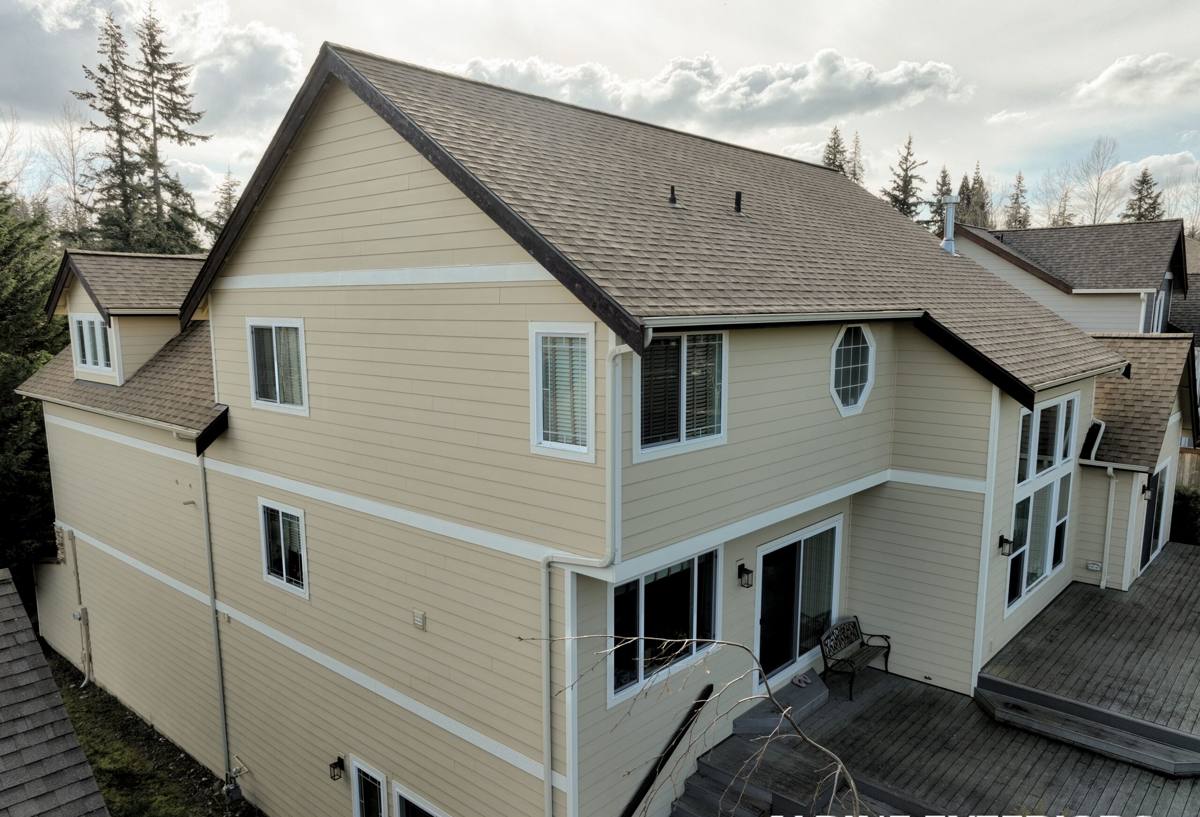
What Palmetto's Climate Actually Does to a Deck
Salt Air and Corrosion
Even a few miles inland from Tampa Bay, airborne salt accelerates corrosion on any metal component that isn't rated for it. Standard electro-galvanized screws, brackets, and joist hangers can start rusting within a couple of years here, and rust at a structural connection is not cosmetic — it's a load-bearing problem. This is one of the most common issues we find on older decks throughout Manatee County.
UV and Heat
Florida gets intense, direct sun almost year-round. Untreated or poorly finished wood decking will gray, crack, and check faster here than in most parts of the country. UV also breaks down cheaper composite decking formulations over time, which is why the quality of the capstock matters more here than in a milder climate.
Wind-Driven Rain and Moisture
Rain in this region rarely falls straight down — tropical systems and afternoon storms push it sideways into ledger boards, fastener holes, and any gap in flashing. Water that gets behind a ledger board or into an unsealed post base doesn't dry out quickly in Florida's humidity, which sets up rot and hidden structural damage long before it's visible from the surface.
Hurricane-Force Wind Loads
Manatee County sits in a wind zone where decks, railings, and their attachment to the house need to be engineered for real uplift and lateral load, not just gravity. A deck that isn't properly tied down can rack, lift, or separate from the structure in a strong storm.
Wood vs. Composite: The Honest Trade-Offs for This Area
Both materials can work well in Palmetto if they're installed correctly. The right choice depends on your budget, how much maintenance you want to do, and how the deck will be used.
| Factor | Pressure-Treated / Hardwood | Composite Decking |
|---|---|---|
| Upfront cost | Lower | Higher |
| Maintenance | Regular sealing/staining needed, especially with this UV load | Occasional washing; no sealing or staining |
| Salt air resistance | Good if maintained; fasteners are the weak point | Strong, but capstock quality varies by brand |
| Heat underfoot | Stays cooler in direct sun | Can run hot; lighter colors help |
| Expected lifespan here | 15-20 years with consistent upkeep | 25-30+ years with minimal upkeep |
| Repair approach | Individual boards easy to replace | Board replacement possible but color-matching aged boards can be tricky |
We don't push one material over the other by default. What we won't do is install budget composite boards with thin capstocks in a coastal, high-UV environment like Palmetto's — the trade-off there is premature fading and surface wear that shows up faster than the warranty language suggests, and we'd rather tell you that up front than have you deal with it in year three.
The Structural Basics That Matter Most Here
Footings and Framing
Footing depth and size need to match local soil conditions and the load the deck will carry, and in a high-wind zone the connections matter as much as the footings themselves. We use hurricane straps and structural screws at ledger and post connections rather than relying on nails alone, because a deck's weakest point in a storm is almost always a connection, not a board.
Ledger Board Flashing
The ledger board — where the deck attaches to your house — is the single most common source of hidden rot on decks throughout Bradenton and Palmetto. It has to be properly flashed to shed wind-driven rain away from the house framing, not just caulked. We treat this as a non-negotiable step, not an upsell.
Fasteners and Hardware
For anything within a few miles of Tampa Bay or the Manatee River, we specify stainless steel or coated fasteners and connectors rated for coastal/marine exposure. It costs more than standard hardware, but replacing a rusted joist hanger means tearing into finished decking — it's far cheaper to spec it correctly the first time.
Permitting and Wind Code in Manatee County
Deck construction in Palmetto falls under Manatee County's building permit and inspection process, and elevated decks typically require engineered plans showing footing sizes, connection details, and wind load compliance. Skipping or shortcutting this step is one of the most common issues we see when we're asked to evaluate an existing deck that was built without a permit — it can complicate insurance claims and resale down the line. We handle the permit submission and inspections as part of our process so you're not left chasing paperwork.
Railings and Hardware That Won't Corrode Early
Railings take a lot of abuse here — sun, salt spray, and the leaning, gripping, and general wear of everyday use. A few things we build into every railing system:
- Stainless steel fasteners and brackets at every connection point exposed to weather
- Post-to-frame connections engineered for lateral load, not just fastened for looks
- Baluster spacing and railing height that meet current code, especially on elevated decks
- Cable or aluminum railing options for lower maintenance where an open view matters
- Cap rails detailed to shed water rather than pool it against end grain
Our Process for a Palmetto Deck Build
- On-site assessment — we look at your home's exposure, existing structure (if replacing a deck), soil, and how the space will actually be used.
- Design and material selection — sized to your space and budget, with honest input on which materials make sense for this specific location.
- Engineering and permitting — plans drawn to meet Manatee County wind load and structural requirements, permit submitted and tracked.
- Construction — footings, framing, flashing, decking, and railing installed in sequence with inspections at the required stages.
- Final walkthrough — we go over the finished deck with you, including care instructions specific to the material you chose.
Cost Factors for a Custom Deck in This Area
| Factor | How It Affects Cost |
|---|---|
| Size and shape | Larger footprints and multi-level designs increase material and labor |
| Height above grade | Elevated decks need more substantial footings, framing, and often stairs/railing |
| Decking material | Composite typically runs higher upfront than pressure-treated wood |
| Hardware specification | Coastal-grade stainless fasteners cost more than standard hardware but reduce long-term repair costs |
| Railing style | Cable and aluminum railing systems cost more than standard wood balusters |
| Site access and existing conditions | Demolition of an old deck, difficult access, or slope can add labor time |
We give you a real number after seeing the site, not a phone estimate — there are too many variables specific to your lot and home to price accurately any other way.
Maintaining a Deck in Palmetto's Climate
Whatever material you choose, a little consistent care goes a long way in this environment:
- Rinse salt residue and debris off the deck surface periodically, especially after storms
- Check fastener heads and railing connections annually for early signs of rust or looseness
- Re-seal or re-stain wood decking on the schedule your product requires — UV here is harder on finishes than in most climates
- Keep gutters and downspouts near the deck clear so water isn't dumping onto framing or footings
- Inspect ledger board flashing and the area where the deck meets the house at least once a year
Why a Crew That Already Works Palmetto Matters
Building a deck correctly here isn't about knowing a secret technique — it's about not skipping the steps that matter for this specific climate: coastal-rated hardware, real ledger flashing, engineered connections for wind load, and permitting done through Manatee County the right way. A crew that works this area regularly has already made the adjustments that a deck needs to hold up to salt air, sun, and Florida storms, instead of learning those lessons on your project.
If you're considering a new deck or need to replace one that's showing its age, we're happy to come take a look and give you a straightforward, no-pressure estimate. Use the form below to get started.