 Bradenton Siding
 Palmetto's Climate Is Hard on Siding — Here's Why
Palmetto sits along the Manatee River just north of Bradenton, close enough to Tampa Bay and the Gulf that salt-laden air is a daily fact of life, not an occasional event. Add in the year-round intensity of Florida UV, the wind-driven rain that comes with almost every summer storm, and the real risk of hurricane-force gusts during the season, and you have a combination that tests exterior siding harder than most parts of the country ever will. Homes in Palmetto's older, established neighborhoods and its newer construction alike show the same wear patterns over time: chalking and fading paint, soft or swollen panels near the ground, cracked caulking at joints and trim, and fastener corrosion where the wrong hardware was used in the first place.
None of that means siding repair in Palmetto is hopeless — it means it has to be done with the local climate in mind, not with a one-size-fits-all approach borrowed from a drier, milder region. A repair that doesn't account for wind-driven moisture and salt exposure will just fail again, usually faster than the original damage took to develop.
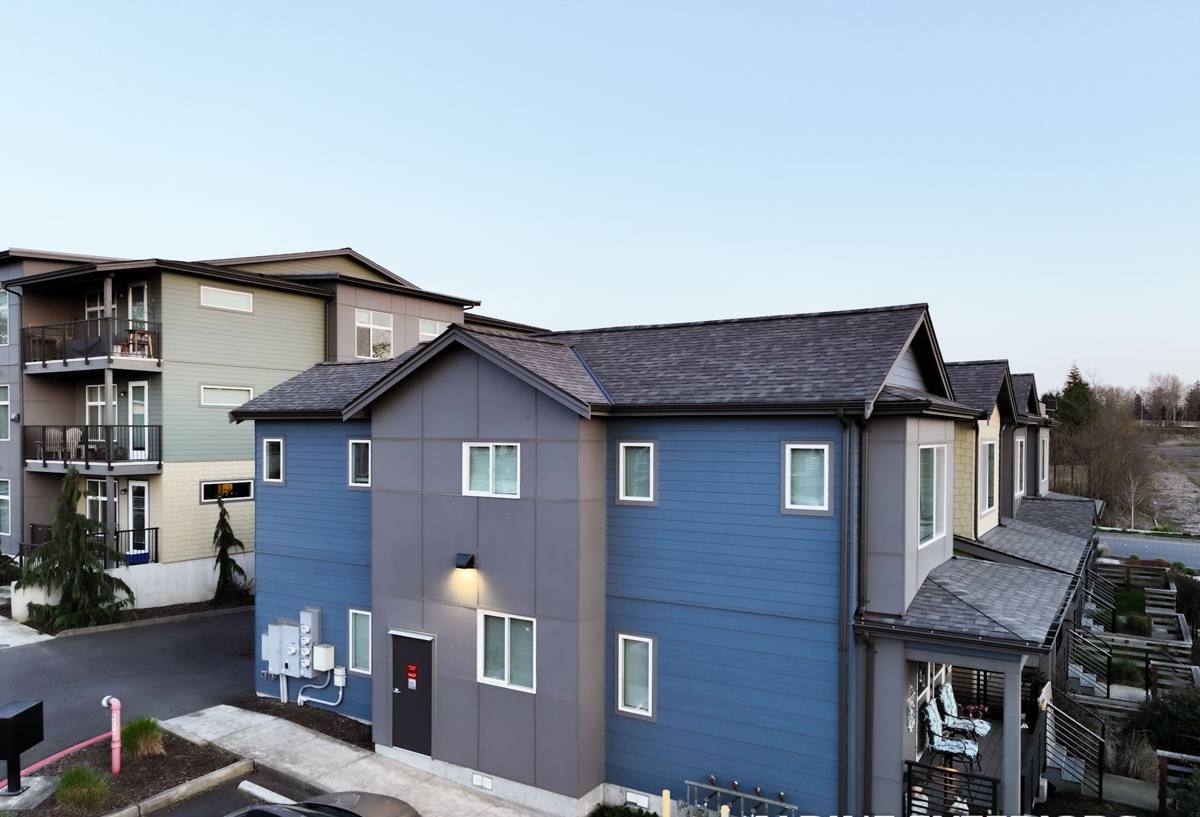
Common Signs a Palmetto Home Needs Siding Repair
- Soft, spongy, or visibly swollen panels — usually a sign moisture has gotten behind the siding, not just on the surface
- Cracked, gapped, or missing caulk at butt joints, corners, and window/door trim
- Panels that have pulled away from the wall or show visible fastener popping
- Paint that's chalking heavily, peeling, or fading unevenly — often worse on the sides that take the most sun and salt spray
- Rust streaking below nail heads or trim fasteners
- Small impact damage from wind-borne debris after storms
- Soft trim boards or rot at inside corners, where water tends to collect and drain slowest
A homeowner walking their own property can usually spot the obvious ones — cracked caulk, chalky paint, a few dinged panels. What's harder to catch without experience is damage that's just getting started: a slightly soft spot near a downspout, a joint that's opened up a sixteenth of an inch, moisture staining on interior drywall that traces back to an exterior siding failure nobody's connected yet.
What a Correct Siding Repair Actually Involves
Siding repair gets treated as simple by a lot of contractors — pull the bad piece, nail up a new one, caulk the edges, done. In Palmetto's climate, that shortcut version of repair tends to fail within a couple of storm seasons. A repair done correctly involves several steps that don't show up in the finished look but determine whether it lasts:
Checking What's Behind the Panel
Damaged siding is often a symptom, not the problem itself. Before replacing a panel, we check the water-resistive barrier, flashing, and framing behind it for moisture intrusion. Repairing the visible siding over a hidden moisture problem just buys a few years before the same spot fails again — usually worse.
Matching Profile, Reveal, and Fastening
Fiber cement siding comes in specific plank widths, exposures, and butt-joint patterns. A patch that doesn't match the existing reveal or is face-nailed instead of properly blind-nailed and caulked stands out visually and performs worse in wind. Fasteners matter too — in a coastal-influenced climate like Palmetto's, the wrong fastener metal corrodes and stains the siding from the inside out.
Sealing and Flashing Details
Most siding failures near the coast trace back to a flashing or sealant detail, not the field of the panel itself. Corners, window and door trim, penetrations for hose bibs and vents, and butt joints all need to be treated with the right sealant and flashing tape — rated for UV and movement — or the repair becomes the next failure point.
Color and Finish Match
Because we install and repair exclusively with James Hardie's ColorPlus factory-finish system, matching an existing repair to weathered siding is more predictable than trying to field-match a job-site paint color. Where an exact ColorPlus match isn't practical on an older installation, we'll be upfront about that before starting the work.
Repair or Replace? How We Help You Decide
Not every damaged section needs a full re-side, and not every "repair" request is actually repairable in a way that will hold up. Here's the general framework we use when we walk a Palmetto property:
| Factor | Repair Usually Makes Sense | Replacement Usually Makes More Sense |
|---|---|---|
| Extent of damage | Isolated to a few panels or one wall | Spread across multiple elevations |
| Moisture intrusion | Surface-level, barrier intact behind it | Water has reached sheathing or framing in several spots |
| Age of existing siding | Under 10-12 years, in generally sound condition | Original siding near or past its practical service life |
| Material | Existing fiber cement in good shape overall | Original material is one we don't warranty repairs on, or is failing systemically |
| Color match | ColorPlus finish still close enough to blend | Significant fade makes patches visually obvious regardless of workmanship |
We'll always tell you honestly which category your home falls into. A contractor who tells every homeowner they need a full replacement — or who patches obvious full-replacement situations to save a sale — isn't doing you any favors either way.
Why We Repair (and Install) Only James Hardie Fiber Cement
We don't work with vinyl, LP SmartSide, primed wood, or other fiber cement brands, and that standard applies to repairs as much as full installs. Fiber cement systems from different manufacturers aren't interchangeable — panel thickness, plank profile, and finish systems vary enough that mixing brands on a repair creates a visible seam and, more importantly, a performance mismatch between old and new material. James Hardie's HZ5 product line was engineered specifically for high-humidity, storm-exposed climates like ours, and its ColorPlus finish is baked on at the factory under conditions a job-site repaint can't replicate. When we repair a Hardie installation, we're working within a system we know inside and out — the fastening schedule, the joint treatment, the warranty terms — instead of guessing at how a different manufacturer's product is meant to behave.
If your existing siding isn't James Hardie, we'll still assess it honestly and tell you what we see. But our repair work — the kind we stand behind — is done on the product we trust enough to put on our own standards.
Our Siding Repair Process for Palmetto Homes
- On-site assessment. We inspect the damaged area and the surrounding siding, checking for hidden moisture, not just the visible symptom.
- Honest scope and estimate. You get a clear explanation of what's actually wrong, what repair involves, and a straightforward cost range — no pressure toward a bigger job than the house needs.
- Material match. We source matching James Hardie plank profile, reveal, and ColorPlus color, or explain the closest practical match if the original run is discontinued or heavily weathered.
- Removal and inspection behind the panel. Damaged sections come off carefully so we can check the barrier, flashing, and framing underneath before anything new goes up.
- Correct installation. New panels are fastened, flashed, and sealed to manufacturer spec — not just tacked in place to look right from the curb.
- Final walk-through. We show you the completed repair and explain what we found, so you're not left guessing whether there's a bigger issue elsewhere on the house.
Why Hiring a Crew That Already Works in Palmetto Matters
Siding repair permitting and inspection requirements run through Manatee County, and a crew that already handles that process regularly moves faster and avoids the delays that come from an out-of-area contractor learning local requirements on your job. Just as important is climate familiarity: a crew that's repaired siding on other homes near the Manatee River and the Tampa Bay coastline already knows which failure patterns show up here — salt-accelerated fastener corrosion, wind-driven rain finding its way in at trim joints, UV breaking down lower-quality caulks faster than manufacturers' generic estimates suggest. That's knowledge you can't get from a national handyman service passing through the area, and it's the difference between a repair that holds through the next storm season and one that doesn't.
Questions to Ask Before Hiring Anyone to Repair Your Siding
- Are you licensed and insured to do exterior work in Manatee County?
- Will you check behind the damaged panel for hidden moisture before repairing it?
- What brand and profile of siding will you use, and will it match what's already on my house?
- What fastener and sealant materials do you use, and are they rated for coastal exposure?
- Will the repair be covered by a warranty, and what does that warranty actually cover?
- Can you tell me honestly if this is a repair situation or if I should be planning for replacement?
If you're seeing early signs of siding trouble on your Palmetto home — or you're just not sure whether what you're looking at is a quick repair or something bigger — we're glad to take a look. We offer free, no-pressure estimates and will always tell you plainly what we find and what it will take to fix it right. Use the form below to get started.