 Bradenton Siding
 Rosedale's Roofs Work Harder Than Most People Realize
Rosedale sits inland enough from the Gulf to feel a little sheltered, but Manatee County weather doesn't make exceptions for zip code. Homes here still take the full run of Florida's roofing stress test every year: sustained UV exposure that bakes shingles and tile coatings from above, wind-driven rain that finds every gap in flashing and underlayment, salt-laden air that migrates inland on sea breezes and accelerates corrosion on fasteners and metal components, and the outside chance of hurricane-force gusts that turn a marginal roof into an emergency overnight. None of that is unique to Rosedale, but it's exactly why a roof that was installed correctly, with the right materials for this climate, holds up so much better than one that wasn't.
A lot of Rosedale's housing stock is part of a planned community with a fairly consistent building era, which means many roofs in the neighborhood are approaching the same age window at roughly the same time. If your roof was installed when the house was built, it's worth having it evaluated honestly rather than waiting for a leak to force the decision.
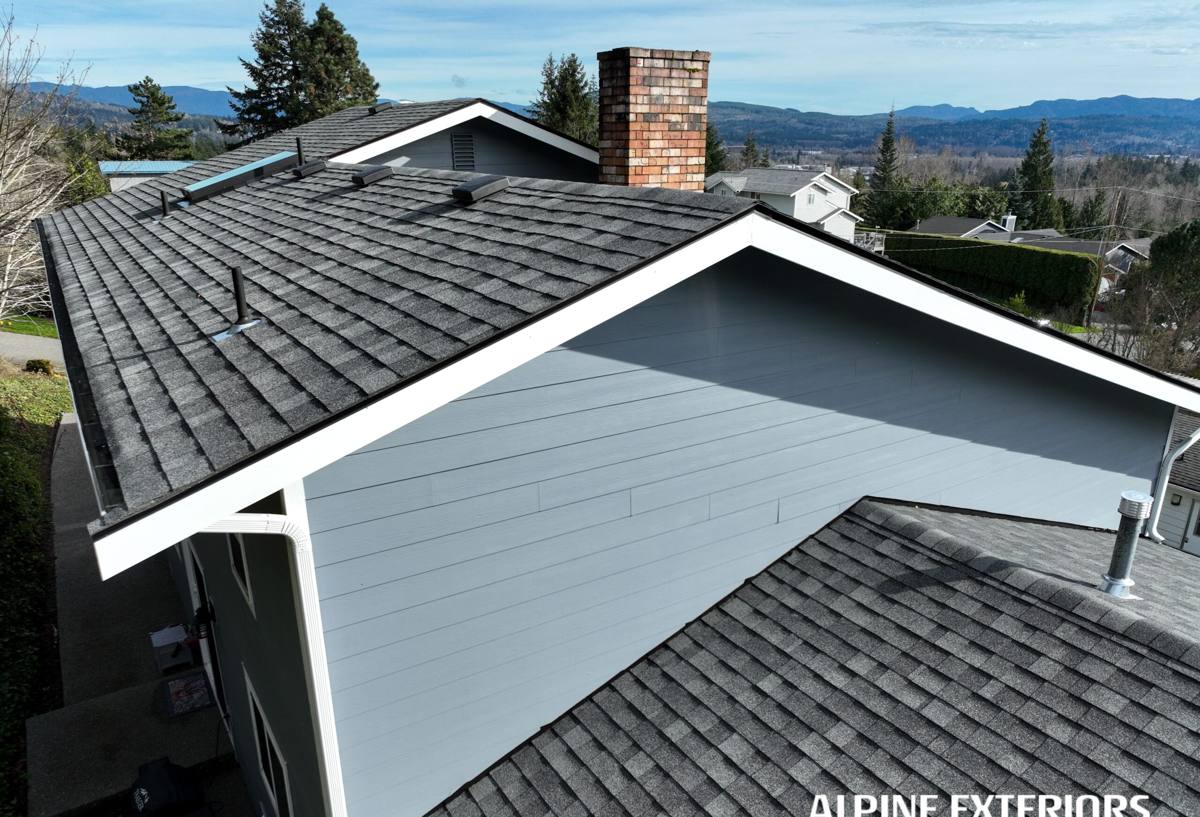
Repair or Replace? Knowing Which One Your Roof Actually Needs
Not every roofing problem calls for a full replacement, and we won't tell you it does just to sell a bigger job. But there's a point where patching becomes throwing money at a roof that's already past its useful life. Signs that usually point to replacement rather than repair:
- Shingles that are cupping, curling, or losing granules across large sections of the roof, not just one spot
- Multiple past repairs in different areas — a sign the underlying material is failing broadly, not locally
- Visible sagging in the roof deck, which points to structural or moisture damage underneath the surface
- A roof nearing or past the manufacturer's expected service life for its material type
- Recurring leaks after storms, even in areas that were previously repaired
- Rising energy bills alongside a hot attic, which often means failed ventilation or degraded insulation under aging roofing
If your roof shows one or two isolated issues on an otherwise sound, newer roof, a repair is the honest recommendation. We'll tell you that plainly during the inspection either way.
What a Correct Roof Replacement Actually Involves
A roof replacement is more than stripping old shingles and nailing down new ones. In a climate like ours, the parts most homeowners never see are the parts that determine whether the roof survives the next decade of storms.
Full Tear-Off, Not Overlay
We remove the existing roofing material down to the deck rather than layering new shingles over old. Overlaying traps moisture, hides deck damage, and voids most manufacturer warranties. A tear-off also lets us actually inspect the deck instead of guessing at its condition.
Deck Inspection and Repair
Years of humidity and past leaks can rot or delaminate the plywood or OSB decking underneath. Any soft, water-damaged, or compromised sections get replaced before anything new goes down — new shingles over a bad deck is a warranty claim waiting to happen.
Underlayment Built for Wind-Driven Rain
Florida's building code requires enhanced underlayment in high-wind zones for good reason — rain in a tropical storm or hurricane doesn't fall straight down, it drives sideways under shingle tabs. We use synthetic or self-adhering underlayment systems rated for this, particularly at eaves, valleys, and penetrations where wind-driven water concentrates.
Flashing Done Right
Flashing around chimneys, skylights, walls, and roof-to-wall transitions is where most leaks actually originate — not the field of the roof itself. We replace flashing as part of the job rather than reusing old pieces, and we seal penetrations with materials rated for sustained UV and salt-air exposure.
Ventilation That Matches the Attic
A roof that traps heat and moisture in the attic ages faster from the inside out. Proper intake and exhaust ventilation, sized to the attic and matched to the roofing system, reduces shingle temperature, lowers cooling costs, and helps prevent moisture-related deck problems.
Fastening to Code, Not to Minimum
Manatee County's wind zone requirements specify nailing patterns and fastener counts for a reason. We follow code as the floor, not the ceiling — proper fastening is one of the cheapest ways to add real wind resistance to a roof.
Material Options for Rosedale Homes
The right material depends on your home's roof pitch, your budget, and how long you want the roof to last before the next replacement. Here's how the common options stack up for a climate like ours.
| Material | Typical Lifespan | Wind Performance | Considerations for This Climate |
|---|---|---|---|
| Architectural asphalt shingles | 20-30 years | Good, with proper high-wind rated products and fastening | Most cost-effective option; quality varies significantly by product line |
| 3-tab asphalt shingles | 15-20 years | Fair | Lower upfront cost but shorter service life under intense UV |
| Concrete or clay tile | 40-50+ years | Excellent when properly fastened | Higher upfront cost; common on many Rosedale-style homes; requires correct underlayment since the tile itself isn't fully waterproof |
| Standing seam metal | 40-60 years | Excellent | Strong long-term value and heat reflectivity; higher installed cost |
We'll walk you through the honest trade-offs for your specific roof rather than steering you toward whatever has the highest margin — pitch, structure, and your timeline for staying in the home all factor into what actually makes sense.
How Our Process Works
- Inspection and honest assessment. We look at the whole roof system — shingles or tile, decking, flashing, ventilation — and tell you plainly whether you need a repair or a replacement.
- Written estimate with real specifics. Material, underlayment system, fastening approach, and timeline, spelled out — not a vague lump-sum number.
- Permitting. Roof replacements in Manatee County require a permit and inspection. We handle that process as part of the job.
- Tear-off and deck repair. Old material comes off, the deck gets inspected, and any damaged sections are replaced before anything new is installed.
- Installation. Underlayment, flashing, ventilation, and roofing material go in to code or better, with attention to the wind-driven rain and UV exposure specific to this region.
- Final inspection and cleanup. We walk the job with you, confirm everything meets code, and clear debris and nails from the property and surrounding landscaping.
HOA and Community Considerations
Many planned communities in the Bradenton area, Rosedale included, have architectural guidelines that touch on roofing — approved colors, material types, or a review process before work begins. If your community has this kind of oversight, it's worth confirming the requirements before you commit to a material or color so there's no conflict after the job is scheduled. We're glad to work from whatever guidelines apply to your property; just let us know up front so we can build the estimate around them.
What Drives the Cost of a Roof Replacement
| Factor | Why It Matters |
|---|---|
| Roof size and pitch | Steeper roofs take longer to work safely and use more material per square |
| Material choice | Asphalt, tile, and metal have very different material and labor costs |
| Deck condition | Rot or water damage discovered during tear-off adds material and labor to replace it |
| Number of penetrations | Chimneys, skylights, and vents each require flashing work |
| Access and layout | Multiple roof levels, tight lot lines, or landscaping can affect staging and cleanup |
| Underlayment and ventilation upgrades | Bringing an older roof system up to current wind and ventilation standards |
We won't give you a number over the phone — an honest estimate requires actually looking at your roof.
Why It Matters to Hire a Crew That Already Works This Neighborhood
A roof replacement crew that's worked in Rosedale and the surrounding Bradenton area already knows the wind zone requirements Manatee County enforces, the permitting process, and the kind of roof systems that hold up against the salt air and storm exposure specific to this part of Florida. That's not a small thing — a crew unfamiliar with the region can miss code requirements that only get flagged at final inspection, costing you time and rework. Local experience also means we're not disappearing after the last shingle goes down; if something needs attention after a storm, we're still in the area.
Before You Hire, Ask
- Are you licensed and insured to do roofing work in Florida, and can you provide proof?
- Will you pull the required permit, or is that left to me?
- What underlayment and fastening approach do you use for high-wind areas?
- Will you do a full tear-off, or is overlay on the table?
- What's included in the written warranty — material, workmanship, or both?
- Who handles cleanup, and is nail/debris removal part of the quoted price?
If your roof is showing its age, or you just want a straight answer on whether it needs repair or replacement, we're happy to take a look. Request a free, no-pressure estimate using the form below — no obligation, just an honest assessment of what your roof actually needs.