 Bradenton Siding
 Roof Repair Built for Rosedale Homes
Rosedale is a well-established, mostly deed-restricted community on the north side of Bradenton, and the roofs here reflect that: a mix of tile and architectural shingle systems installed over roughly two to three decades of construction. That range matters. A roof put on in the late 1990s is aging very differently than one installed after the 2017 or 2022 storm seasons, and the right repair depends on knowing which situation you're actually dealing with before anyone climbs a ladder.
We repair roofs in Rosedale and the surrounding Bradenton neighborhoods regularly, which means we already know the common roof pitches, the HOA expectations around visible repairs, and the material mix you'll find block to block. That local familiarity shortens the diagnostic part of the job and helps us match repairs so they don't stick out against the rest of the roof.
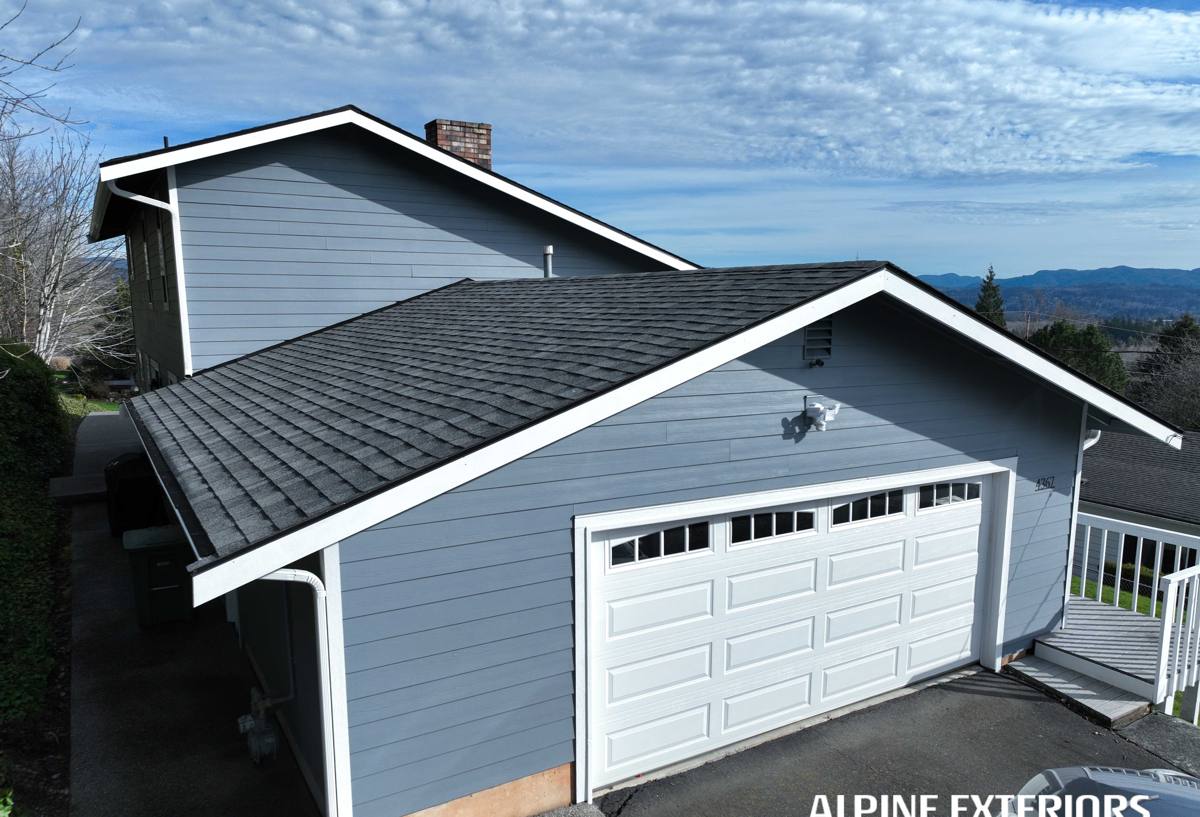
What Manatee County's Climate Does to a Roof
Every roof in this area is working against the same set of stressors, year-round:
- Hurricane-force wind gusts that lift tile, work shingle tabs loose, and drive rain sideways under flashing that would otherwise stay dry.
- Intense, near-constant UV exposure that breaks down asphalt shingle granules and dries out underlayment faster than in most of the country.
- Wind-driven rain that finds any gap in flashing, vent boots, or ridge caps and pushes water uphill against gravity.
- Salt air drifting in off Tampa Bay and the Gulf, which accelerates corrosion on fasteners, flashing, and metal roof edges.
None of these forces act alone. A roof that's already UV-brittle handles wind uplift worse. Corroded fasteners let flashing shift, and shifted flashing is exactly where wind-driven rain gets in. That's why a repair that only treats the visible symptom — a stain on the ceiling, a lifted shingle — often comes back within a season or two.
Signs a Rosedale Roof Needs Repair, Not Replacement
Most homeowners call us because of one of these:
- A ceiling stain that appears after a heavy rain and then seems to dry up and disappear
- Missing or lifted shingles after a windstorm
- Cracked, slipped, or displaced roof tiles
- Granules collecting in gutters or at downspout outlets
- Soft spots or sagging in the roof deck when walked on
- Visible daylight in the attic around vents or the ridge
- Rusted or lifted flashing around chimneys, skylights, or wall intersections
Any one of these can usually be repaired without a full roof replacement, especially if it's caught early. The exceptions are widespread deck rot, a roof already past its expected service life, or damage significant enough that insurance and code requirements point toward replacement. Part of an honest repair visit is telling you which category you're in — we're not going to sell a repair on a roof that genuinely needs to come off, and we're not going to push a replacement when a targeted repair will hold up fine.
Why Ceiling Stains Are Misleading
Water doesn't always drip straight down from where it entered. It can travel along the underlayment or a truss for several feet before finding a low point and staining drywall. That's why a stain over the guest bedroom might trace back to a roof penetration on the other side of the house. Chasing the stain instead of the actual entry point is the single most common reason a "fixed" leak reappears.
Roof Repair Methods We Use, by Situation
| Problem | Typical Cause in This Climate | Repair Approach |
|---|---|---|
| Cracked or slipped tile | Wind uplift, foot traffic, or age-related brittleness from UV exposure | Remove and replace individual tiles; re-secure with proper fasteners and underlayment patch |
| Lifted or missing shingles | Wind gusts catching a tab, often after seal strips have degraded from heat | Replace affected shingles, re-seal or reset tabs, check surrounding courses for hidden damage |
| Flashing leaks (chimney, skylight, wall) | Salt-air corrosion, sealant breakdown, or original installation shortcuts | Remove and re-flash with corrosion-resistant metal, proper step-and-counter technique |
| Vent boot leaks | UV-cracked rubber collar around plumbing vents | Replace boot with a UV-stable collar, reseal integration with roofing material |
| Soft or spongy decking | Sustained moisture intrusion rotting plywood over time | Cut out and replace affected decking sections before re-covering |
| Granule loss / thinning shingles | Cumulative UV breakdown of the asphalt mat | Localized replacement if isolated; flagged for replacement planning if widespread |
Our Repair Process
1. Inspection and Diagnosis
We start on the roof itself, not just in the attic looking up. That means checking flashing, penetrations, ridge lines, and valleys — the places leaks actually originate — rather than assuming the nearest visible damage is the source.
2. A Clear, Written Explanation
Before any work starts, you get a plain explanation of what's actually wrong, what's causing it, and what fixing it involves. If there's a decision to make — repair now versus planning for replacement in a couple of years, for example — we lay out the trade-offs so you can decide, not so we can upsell.
3. The Repair
We match materials to what's already on the roof wherever possible, so a repair doesn't create a visible patchwork. Flashing and fasteners get upgraded to corrosion-resistant materials suited to this area's salt air, even if that wasn't what was originally used.
4. Cleanup and Verification
We clear debris, old tile or shingle fragments, and fasteners from the yard and gutters, and we check the repair holds under a hose test where that's a useful confirmation before we call the job done.
Repairing Around HOA and Neighborhood Expectations
Rosedale, like most planned communities in this part of Bradenton, has architectural expectations around what's visible from the street — roof color, material consistency, and general upkeep. When we're matching tile or shingle for a repair, we're accounting for that, not just grabbing the closest available product. A repair that solves the leak but leaves a mismatched patch visible from the road isn't a job well done in a neighborhood like this.
Repair vs. Replacement: An Honest Framework
We don't default to whichever answer is more profitable. A few honest guidelines:
- If the roof is under 15 years old and the damage is localized (a few tiles, a section of flashing, one bad vent boot), repair is almost always the right call.
- If the roof is approaching or past its expected service life and you're seeing multiple, unrelated failure points, a repair may buy a little time but isn't solving the underlying problem.
- If storm damage is extensive enough to trigger an insurance claim, we'll document what we find so you have accurate information for that process, regardless of which direction it points.
- If the decking underneath is compromised in more than a small area, that's a signal the roof covering above it has been failing for a while, not a one-time event.
Storm Season Timing
Florida's Atlantic hurricane season runs June through November, and Manatee County sees its share of both direct impacts and the wind-driven rain from storms that pass well offshore. The most useful time to have a small issue repaired is before that window opens, not after wind has had a chance to turn a loose tile or lifted shingle into a full leak during an actual storm. If you're already seeing signs of trouble, don't wait for the next named storm to test it.
Quick Reference Checklist
- Check the attic after any heavy rain or windstorm for new staining or damp insulation
- Walk the exterior after storms and look for tile or shingle debris in the yard or gutters
- Have flashing around chimneys and skylights inspected every few years, not just when a leak shows up
- Don't paint over or ignore a small ceiling stain — get the source diagnosed
- Get roof repairs done before hurricane season, when scheduling is easier and prices aren't inflated by post-storm demand
Why a Local Crew Matters for This Kind of Work
Roof repair is diagnostic work as much as it's physical labor. A crew that already works in Rosedale and the rest of Bradenton knows the typical build years, the common roofing materials in these subdivisions, and how salt air and UV exposure tend to show up on roofs in this specific part of Manatee County. That's the difference between a repair that addresses the actual cause and one that patches a symptom and calls it done.
If you're dealing with a leak, storm damage, or a roof that just doesn't look right anymore, we're happy to take a look and give you a straight answer. Reach out for a free, no-pressure estimate — we'll tell you exactly what we find and what your options actually are.