 Bradenton Siding
 Energy-Efficient Windows in Samoset: Built for Gulf Coast Extremes
Samoset sits on the west side of Bradenton, in Manatee County, close enough to the water that its homes deal with the full range of what this stretch of the Gulf Coast throws at a house. Intense sun beats down on windows nearly every day of the year, tropical storms and hurricanes bring wind loads that most of the country never has to design for, rain comes in sideways more often than straight down, and salt-laden air works on hardware and finishes year-round. A window is one of the few building components that has to answer to all four of those at once — it has to keep heat out, keep wind and debris out, keep water out, and hold up to corrosion, without becoming the weak point in an otherwise solid wall.
Bradenton Siding Company installs and replaces windows across Manatee County, and windows are only part of what we do — we also handle siding and roofing, because the exterior of a house works as one system, not a collection of separate products. In Samoset specifically, that means treating every window job as both an energy question and a storm-readiness question, since in this climate the two are rarely separate decisions.
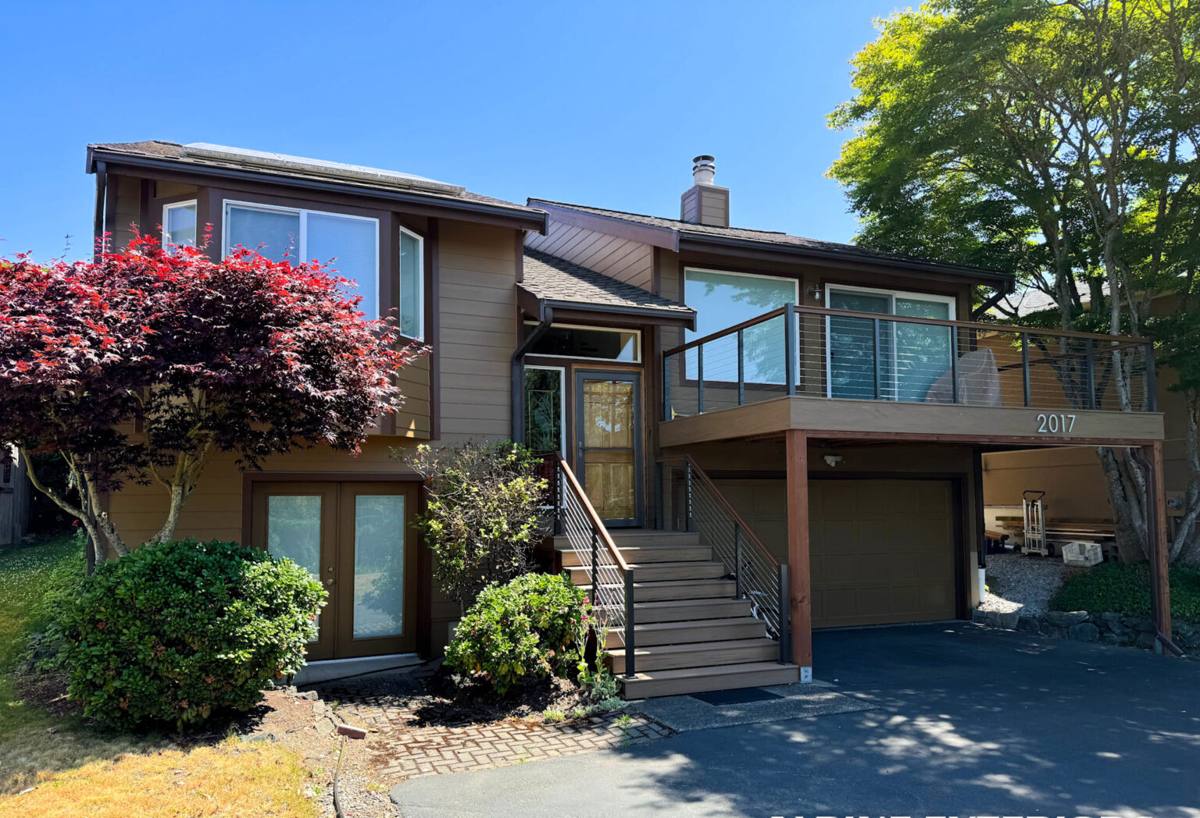
What This Climate Does to Windows in Samoset
Intense, Year-Round UV and Heat Gain
Florida's sun angle and long daylight hours mean windows here take far more UV exposure over a year than windows in most of the country. Beyond fading floors and furniture, that UV load translates directly into cooling cost — a window with poor solar heat gain performance lets in heat your air conditioner then has to remove, day after day, month after month. Older single-pane or poorly coated windows are often the single biggest source of unwanted heat gain in an otherwise well-insulated home.
Hurricane-Force Wind Loads
Manatee County sits in an area where building codes account for tropical storm and hurricane wind speeds, and a window isn't just a glass panel — it's a structural opening in the wall. A window that isn't rated and installed for the wind pressures this coast actually sees can fail well before the rest of the house does, and a failed window during a storm compromises the whole building envelope, not just that one opening. This is the piece of window selection that homeowners moving here from other parts of the country are often least prepared for.
Wind-Driven Rain and Water Intrusion
When a storm pushes rain sideways instead of down, it tests window flashing and seals in a way ordinary rain never does. Water that would simply run off a properly flashed window can get forced up and under trim, flashing, and sill pans that weren't detailed for that kind of pressure. Most of the interior water damage we see traced back to a window started as a flashing or sealant detail, not a defect in the window itself.
Salt Air and Hardware Corrosion
Being close to the Gulf and Tampa Bay means Samoset gets a steady dose of salt-carrying air, even on days without a storm anywhere nearby. Over years, that accelerates corrosion on hinges, locks, screen frames, and lower-grade fasteners — hardware that would last decades inland can start pitting, sticking, or staining well ahead of schedule here. It's one of the reasons hardware finish and fastener quality matter as much as the glass on a coastal window job.
What "Energy-Efficient" Actually Means for a Coastal Window
"Energy-efficient" gets used loosely in window marketing, but for a home in Manatee County it comes down to a few measurable properties, not a marketing label:
- U-factor — how well the window resists heat transfer; lower numbers mean less heat moving through the glass and frame
- Solar Heat Gain Coefficient (SHGC) — how much solar heat the window lets into the house; for a hot, sun-heavy climate like ours, a lower SHGC generally means a cooler house and a lower cooling bill
- Low-E coatings — thin, virtually invisible coatings on the glass that reduce UV transmission and heat gain without significantly darkening the view
- Air leakage rating — how much air moves through the window assembly when it's closed, which affects both comfort and AC runtime
These numbers are published through NFRC (National Fenestration Rating Council) labeling, and for our climate zone the priority is usually a low SHGC and a solid Low-E coating over raw insulation value alone — Florida homes are fighting heat gain far more than heat loss. We can walk through what those ratings mean for your specific home rather than pointing you at whichever number sounds most impressive on a sticker.
Impact-Rated vs. Standard Energy-Efficient Glass
The other major decision for a Samoset home is whether to install impact-rated glazing or standard energy-efficient glass paired with separate storm protection, like panels or shutters. Both approaches can meet code depending on your specific address and wind exposure, and there are real trade-offs between them.
| Factor | Impact-Rated Laminated Glass | Standard Insulated Glass + Separate Shutters/Panels |
|---|---|---|
| Storm protection | Built into the window; no separate action needed before a storm | Effective, but only if shutters or panels are actually deployed in time |
| Upfront cost | Higher per window | Lower window cost, but shutters or panels add their own cost |
| Everyday energy performance | Strong; the laminated interlayer adds insulation and UV blocking | Good, if the glass package itself is a quality Low-E unit |
| Noise reduction | Noticeably better due to the laminated layer | Standard, no added benefit |
| Day-to-day convenience | No pre-storm prep; view and light are unaffected until a storm actually hits | Requires storing, maintaining, and installing shutters or panels every storm |
| Appearance | Looks like a normal window at all times | Clean when panels are stored; shutters visible when deployed |
Neither option is wrong. A homeowner who wants to set it and forget it often prefers impact-rated glass. A homeowner working with a tighter budget, or replacing windows on a home that already has a reliable shutter system, may reasonably choose standard energy-efficient glass instead. What matters is making that choice with accurate information about your specific wind zone and permit requirements, which can vary by address in Manatee County — we'll help you confirm what applies to your home rather than assuming.
Frame Materials That Hold Up on Florida's Gulf Coast
Frame material affects how a window handles heat, humidity, and salt air over the long run, not just how it looks on day one.
Vinyl
Vinyl is a common, budget-friendly choice that won't rot and holds up reasonably well to humidity. In intense, sustained Florida sun, frame quality matters more than it does farther north — lower-grade vinyl can discolor or become brittle over many years of UV exposure, so we pay attention to the specific product line, not just the material category.
Fiberglass
Fiberglass is dimensionally stable across Florida's wide temperature and humidity swings and resists both UV degradation and salt corrosion well. It typically costs more than vinyl upfront but tends to need less attention over the life of the window.
Aluminum
Aluminum has a long history in Florida construction because it's strong for its weight and handles humidity without rotting. It conducts heat more readily than vinyl or fiberglass, so pairing it with a quality thermal break and good glass matters for energy performance, and it needs a corrosion-resistant finish to hold up long-term this close to the water.
Wood and Wood-Clad
Wood offers a look some homeowners want, but it's the material most vulnerable to Florida's combination of humidity, heat, and salt air. We don't recommend it as a primary choice for exposed elevations in Samoset unless a homeowner understands and is committed to the ongoing maintenance it takes to keep it sound in this climate.
Installation Details We Don't Treat as Optional
A well-rated window installed poorly will still leak, still let in heat, and still underperform in a storm. The installation details matter as much as the product:
- Sill pans and flashing sequenced correctly so wind-driven rain sheds outward instead of pooling at the frame
- Fastening and anchoring that meets the wind-load requirements for your specific address, not a generic minimum
- Sealants and flashing tape rated for sustained UV and heat exposure, not general-purpose products that break down early in Florida sun
- Corrosion-resistant fasteners and hardware suited to a salt-influenced coastal environment
- Weep holes and drainage paths left clear and functional after installation
- Proper permitting and inspection through Manatee County where required, so the work is documented and code-compliant
None of these add significant cost relative to the window itself, but skipping any of them is how a good window turns into a leak, a draft, or a storm liability within a few years.
Signs a Samoset Home's Windows Need Attention
- Noticeably hot rooms or a system that runs constantly during peak sun hours, even with a working AC
- Fogging or condensation trapped between panes, a sign the seal on an insulated unit has failed
- Difficulty opening, closing, or locking a window, or hardware that feels stiff or corroded
- Visible daylight, drafts, or whistling around a closed frame
- Water staining on interior walls or ceilings near a window after heavy rain
- Soft, discolored trim or a frame that shows cracking or UV-related degradation
- Uncertainty about whether existing windows are actually rated for your home's current wind zone requirements
Any of these is worth a professional look before the next storm season, not after.
Repair, Reseal, or Replace: How We Help You Decide
Not every window problem means a full replacement. We look at the age of the window, whether the issue is isolated to one unit or spread across the house, whether the existing frame and flashing are sound, and whether the window actually meets the wind and impact requirements for your address. A single failed seal on an otherwise well-installed, code-compliant window is often a straightforward repair. A house with aging, non-rated windows going into another hurricane season is a different conversation, and one we'll have honestly rather than pushing a bigger job than the house actually needs.
Why a Local Manatee County Crew Matters
A crew that installs windows across Manatee County through actual hurricane seasons, not just sunny days, learns things a spec sheet can't tell you: which elevations in Samoset take the worst of prevailing wind and driving rain, how much UV exposure a given orientation really sees over a Florida summer, and which flashing and fastening details are worth the extra time on install day so you're not dealing with a leak or a storm-damaged window later. We also handle siding and roofing, so if a window project turns up damage in the surrounding wall or a flashing issue where the roofline meets a window, we can address it as part of the same job instead of sending you to find a second contractor.
If your Samoset home has windows that run hot, fog up, stick, or leave you unsure whether they'd hold up in a real storm, we're glad to take a look and give you an honest read on what it actually needs. Reach out using the form below to schedule a free, no-pressure estimate.